Nakalama John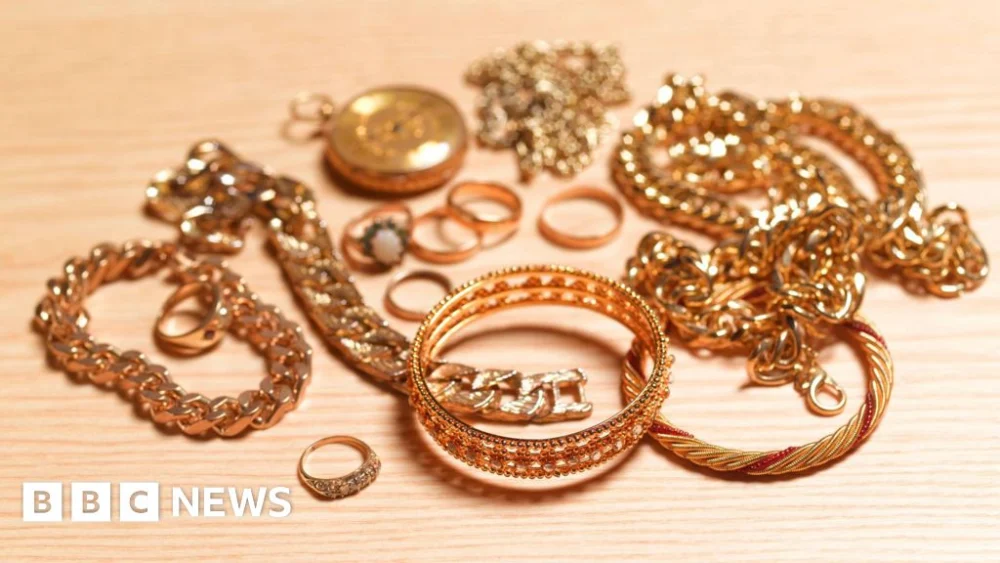
Despite what proved to be a challenging festive period for many retailers across the board, robust demand for online jewellery played a significant role in lifting UK retail sales in December, according to new figures released by the Office for National Statistics (ONS). Sales volumes experienced a 0.4% increase from the preceding month, a rise that notably exceeded economists’ expectations and offered a glimmer of hope after a series of disappointing results. The ONS specifically highlighted reports from online jewellers, who observed a marked surge in consumer interest for precious metals such as gold and silver, indicating a shift in consumer spending priorities amidst a complex economic landscape.
The overall performance of internet shopping channels was strong throughout December, signaling a continued migration of consumer activity away from traditional brick-and-mortar stores. Alongside online retail, supermarkets also recorded a modest rise in sales, likely driven by essential festive food preparations and everyday necessities. Similarly, sales of automotive fuel saw a small uptick, potentially reflecting increased travel during the holiday season. However, this positive momentum was not universally shared. Non-food retailers, encompassing a broad category including department stores, clothing outlets, and household goods providers, faced significant headwinds, with their sales volumes declining by 0.9% over the month. This dichotomy underscores the uneven recovery and shifting consumer preferences within the retail sector.
The unexpected monthly rise in December arrived after a period of contraction, with retail sales having fallen by 0.1% in November. This November dip was particularly concerning as it included the crucial Black Friday sales period, traditionally a major driver of pre-Christmas spending. Prior to that, October had seen an even steeper decline of 0.8%, painting a picture of a difficult autumn for the retail industry. While monthly growth rates can often be volatile and subject to seasonal fluctuations, the ONS cautioned that sales volumes fell by 0.3% in the final three months of the past year when compared to the previous quarter. This quarterly decline was broad-based, with both supermarkets and online stores, which had seen some monthly gains, experiencing a fall when viewed over the longer three-month period.
Nevertheless, when looking at the broader picture across the full calendar year, retail sales demonstrated resilience, registering a 1.3% increase. This annual growth was observed across both food and non-food stores, as well as non-store retailers, a category predominantly comprising online sellers but also including street stalls and markets. This marked the second consecutive annual rise for the sector, indicating a slow but steady recovery. Despite these annual gains, retail sales volumes still remain below their 2019 pre-coronavirus pandemic levels, suggesting that the industry continues to grapple with the lingering effects of lockdowns, supply chain disruptions, and fundamental shifts in consumer habits.
Hannah Finselbach, a senior statistician at the ONS, provided further insight into the figures: "The last three months of the year saw a slight drop in retail sales following a strong third quarter, with supermarkets and online stores both down. However, sales were up in December, with internet retailing doing well. Within this, online jewellers had a strong month and told us there was higher demand for gold and silver." Her comments underscore the nuanced nature of the December rebound, highlighting specific pockets of strength within a generally challenging environment. The focus on online jewellery and precious metals points to a fascinating trend in consumer behavior that goes beyond traditional holiday gifting.
The persistent rising cost of living has undoubtedly exerted immense pressure on shoppers’ purses, forcing many to tighten their belts and prioritize essential spending. Inflation, elevated energy prices, and stagnant real wages have eroded household disposable incomes, leading to a more cautious approach to discretionary purchases. Concurrently, businesses themselves have voiced complaints about escalating operational costs, exacerbated by policy changes announced in recent Budgets. These include potential increases in business rates, energy tariffs, and supply chain expenses, all of which contribute to a difficult trading environment that often translates into higher prices for consumers or reduced profitability for retailers.
Nicholas Hyett, an investment manager at Wealth Club, offered a stark assessment, stating that the figures revealed "no festive cheer on the high street" as Christmas shoppers increasingly opted for online channels. He elaborated on the intriguing performance of the jewellery sector, noting, "Among online retailers, jewellers enjoyed a particularly golden Christmas. In uncertain times shoppers seem to be being drawn to dual purpose jewels that not only tick the Christmas present box, but provide a convenient long-term store of value as well." This observation sheds light on a sophisticated consumer strategy: purchasing items that serve both as gifts and as a hedge against economic instability.
Precious metals like gold and silver have long been regarded as safe-haven assets, with their appeal typically strengthening during periods of economic or geopolitical uncertainty. This inherent characteristic has led to a significant surge in their prices over the past year. The article notes that in recent days, both gold and silver reached record highs, fueled by investor reactions to specific global events. One such event cited was the threat by then-US President Donald Trump to impose fresh tariffs on eight European countries that opposed his proposed takeover of Greenland. Such geopolitical tensions, alongside broader concerns about inflation, interest rate policies, and global economic growth, often drive investors and increasingly, consumers, towards tangible assets that are perceived to retain or increase their value.
Alice Cowley, managing director in Accenture’s retail practice, acknowledged that the "modest" monthly rise in UK retail sales would offer some relief after a "difficult autumn." However, she quickly tempered expectations, continuing, "But while food, discounts and holiday preparations pushed up sales, it wasn’t enough to drive significant growth." Her analysis suggests that while tactical promotions, essential purchases, and last-minute festive spending provided some impetus, the underlying demand for non-essential goods remained subdued. Cowley concluded that for many in the sector, "those wishing for a bumper trading period were left disappointed," highlighting the high stakes associated with the Christmas trading season and the failure of many retailers to meet their ambitious targets.
Further reinforcing the cautious sentiment, Neil Bellamy, consumer insights director at GfK, a firm that rigorously analyses consumer confidence, stated, "We remain a long way from consumers feeling that better days are around the corner." GfK’s latest consumer confidence index, a crucial barometer of household sentiment, edged up by a mere single point in January to minus 16. This figure remains firmly in negative territory, and it has now been a full decade since the index last registered a positive number, indicating a sustained period of consumer pessimism. This prolonged lack of optimism suggests that while December offered a temporary reprieve for parts of the retail sector, fundamental challenges related to economic insecurity, inflation, and a general sense of unease continue to shape consumer spending habits and pose significant hurdles for retailers looking ahead. The divergence between online luxury goods and struggling high street staples paints a complex picture of a retail landscape undergoing profound transformation.




 George Anjay
 Ramos Leo
 Nana Banana