Nana Banana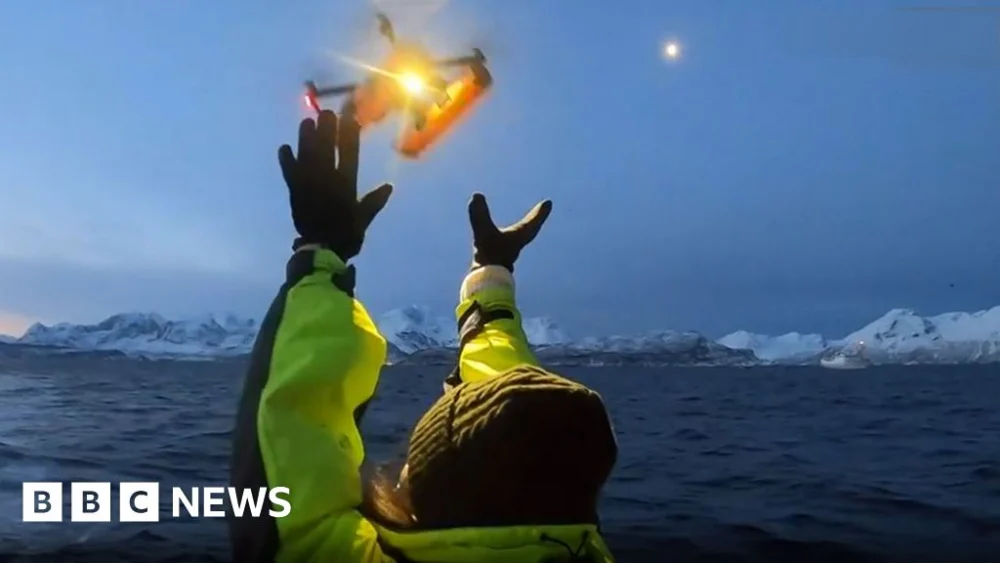
This innovative research, spearheaded by an international team including experts from King’s College London, The Royal (Dick) School of Veterinary Studies in the UK, and Nord University in Norway, signifies a "game-changer" in how scientists monitor the health and well-being of marine giants. Traditionally, studying whale diseases often involved invasive procedures like tissue biopsies taken at close range from boats, or examinations of deceased animals, which provided limited insights into live, free-ranging populations. The new drone-based approach offers a non-invasive, stress-free method to collect crucial biological samples, providing a real-time snapshot of whale health.
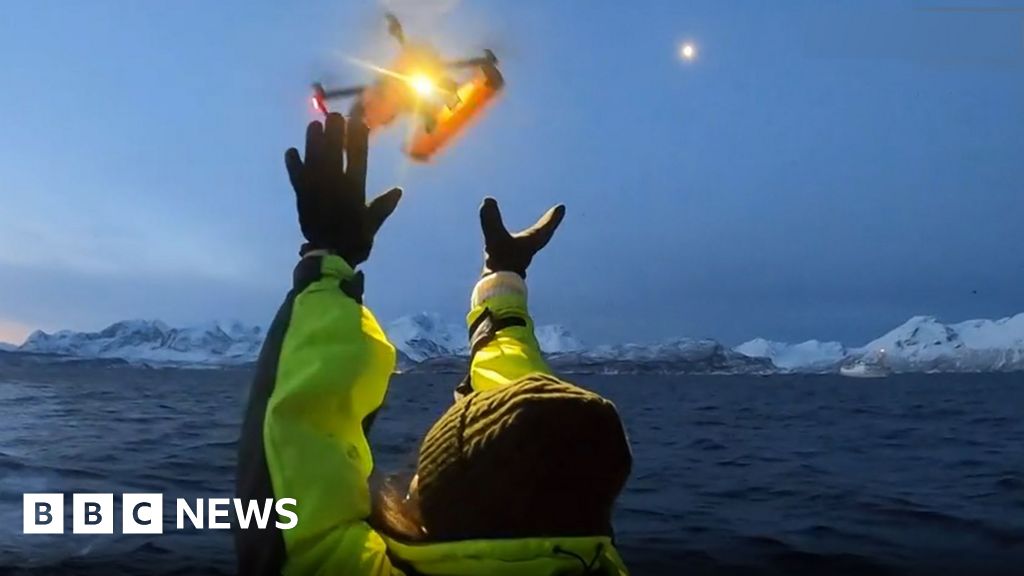
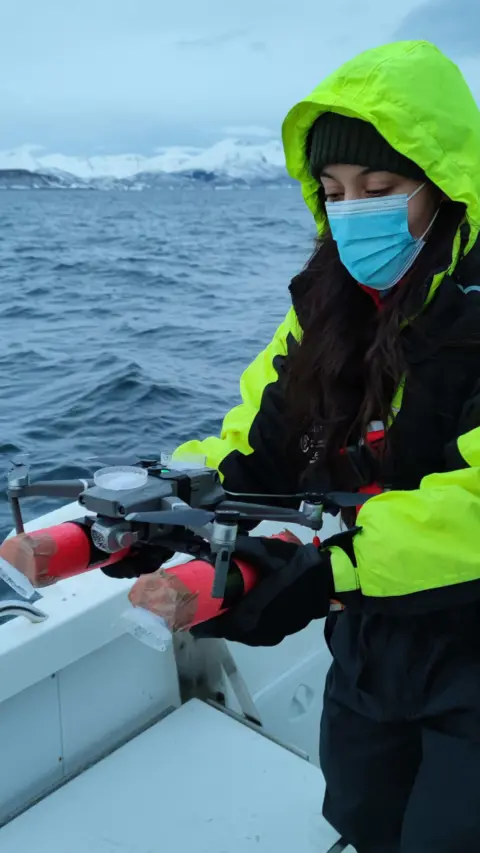
The methodology involved equipping specialized drones with sterile petri dishes, designed to fly directly through the plume of water vapor, mucus, and cellular material expelled by whales as they surface to breathe through their blowholes. This "blow" contains a wealth of biological information, including DNA, RNA, hormones, and, critically, pathogens. By capturing these microscopic droplets, researchers can screen for infectious agents without ever physically touching the animals, minimizing disturbance and potential harm. Alongside these novel blow samples, the team also collected traditional skin biopsies from boats, which helped to corroborate findings and provide additional genetic data, offering a comprehensive picture of the whales’ health status.
The most alarming finding from this extensive sampling effort was the confirmed presence of cetacean morbillivirus (CMV) among humpback, fin, and sperm whales across the North-East Atlantic, specifically within the Arctic Circle. CMV is a highly virulent pathogen belonging to the Paramyxoviridae family, closely related to measles in humans and canine distemper in dogs. In marine mammals, it targets the respiratory, lymphatic, and central nervous systems, leading to severe pneumonia, immunosuppression, encephalitis, and ultimately, death. The disease is known for its high contagiousness, spreading rapidly through close contact within populations of dolphins, porpoises, and various whale species, often resulting in devastating mass mortality events.
Historical outbreaks of CMV have underscored its potential for widespread ecological impact. For instance, the Mediterranean Sea experienced a major morbillivirus epidemic in the late 1980s, which decimated striped dolphin populations. Similarly, outbreaks have been documented along the Atlantic coasts of both North America and Europe, causing significant mortalities among bottlenose dolphins, pilot whales, and other cetaceans. The virus’s ability to "jump" between different species of marine mammals and travel across vast ocean basins makes its detection in the Arctic particularly concerning. This raises questions about potential new transmission routes, the susceptibility of Arctic species, and the broader implications for an ecosystem already under immense pressure.
Prof. Terry Dawson of King’s College London, a key figure in the research, emphasized the transformative nature of this technique. "The sampling of whale ‘blow’ is a ‘game-changer’ for the health and well-being of whales," he stated. "It allows us to monitor pathogens in live whales without stress or harm, providing critical insights into diseases in rapidly changing Arctic ecosystems." This sentiment highlights the ethical and practical advantages of drone-based surveillance, which offers a powerful tool for proactive disease management rather than reactive responses to mass stranding events.
The Arctic, often considered a pristine wilderness, is in fact a rapidly evolving environment. Climate change is leading to unprecedented ice melt, opening up new shipping routes, increasing human activity, and altering the migration patterns of marine life. As species move into new territories, the potential for novel pathogen exchange increases. The presence of CMV in Arctic whales suggests that these populations are now exposed to a significant disease threat, adding another layer of vulnerability to a region already grappling with stressors like ocean acidification, pollution, noise disturbance from shipping, and declining food sources.
Helena Costa of Nord University, Norway, underscored the forward-looking aspect of this research. "Going forward, the priority is to continue using these methods for long-term surveillance, so we can understand how multiple emerging stressors will shape whale health in the coming years," she explained. This long-term perspective is crucial. By establishing baseline health data and continuously monitoring for the emergence and spread of pathogens like CMV, scientists can develop early warning systems, predict potential outbreaks, and inform conservation strategies. This proactive approach is vital for protecting marine mammal populations, many of which are already endangered or vulnerable.
The implications of this study extend beyond just disease detection. The ability to non-invasively collect comprehensive biological samples opens doors for broader research into whale physiology, toxicology, and reproductive health. Analyzing hormones in the blow, for example, could provide insights into stress levels or reproductive cycles, offering a more holistic understanding of how environmental changes impact these magnificent creatures. This interdisciplinary research, published in the esteemed journal BMC Veterinary Research, represents a significant step forward in marine conservation science.
Ultimately, the detection of cetacean morbillivirus in Arctic whales’ breath serves as a stark reminder of the interconnectedness of our planet’s ecosystems and the far-reaching consequences of global environmental change. As human activities continue to reshape the Arctic, innovative technologies like drone-based surveillance will be indispensable in safeguarding its unique and irreplaceable marine life. The hope is that this breakthrough will empower researchers and conservationists to spot deadly threats to ocean life early, before they escalate into widespread epidemics, ensuring a healthier future for whales and the vital ecosystems they inhabit. The journey towards comprehensive marine mammal health surveillance has truly taken flight.


 Roy Suryo