Ramos Leo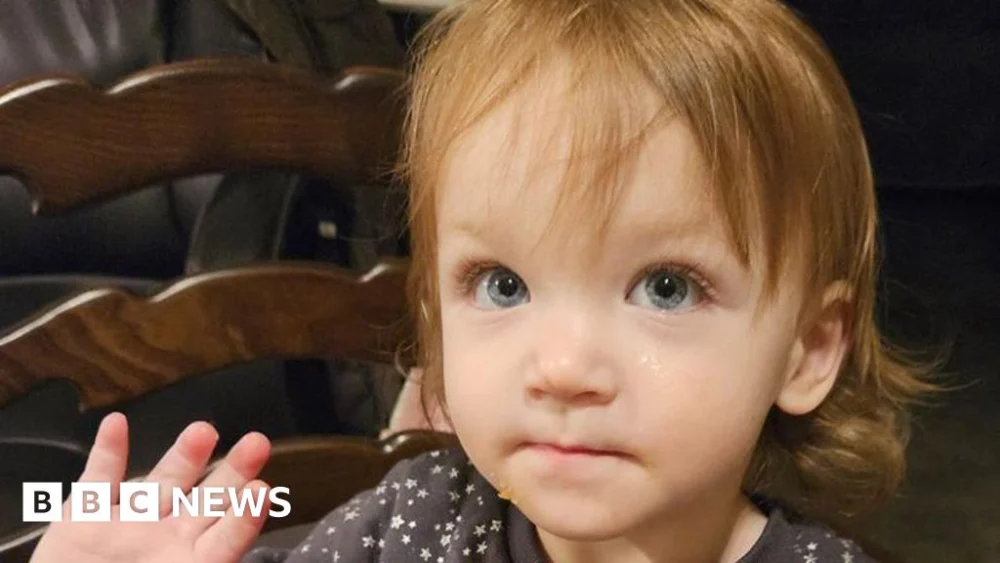
Lyla Story’s heartbreaking death occurred in May last year, less than 24 hours after her mother had taken her to their family doctor. The inquest, held in September, revealed that Lyla had been diagnosed with acute tonsillitis, a misdiagnosis that ultimately proved fatal as her underlying type 1 diabetes went undetected. This critical oversight highlighted a systemic issue in the early diagnosis of type 1 diabetes in young children, who often cannot articulate their symptoms effectively.
On Thursday, during a series of rapid-fire interviews with BBC local radio presenters, Mr. Streeting was directly confronted with Mr. Story’s plea. BBC Radio Humberside presenter Carla Greene played a poignant voice clip from Mr. Story, addressing the politician directly. In the recording, Mr. Story articulated the urgent need for change: "There are too many people getting diagnosed in critical care, especially young children who cannot advocate for themselves and express what they’re feeling. It’s on your watch, Wes. Please meet with me."
Mr. Streeting’s response was immediate and unequivocal. Live on air, he stated, "That’s the easiest question to answer. Yes, I’ll definitely do that. If you pass the details to me today, I’ll get my office to get in touch and we’ll get him in as quickly as we can." This swift commitment from a prominent figure in the opposition, and potentially the next Health Secretary, has injected new hope into the Lyla’s Law campaign.
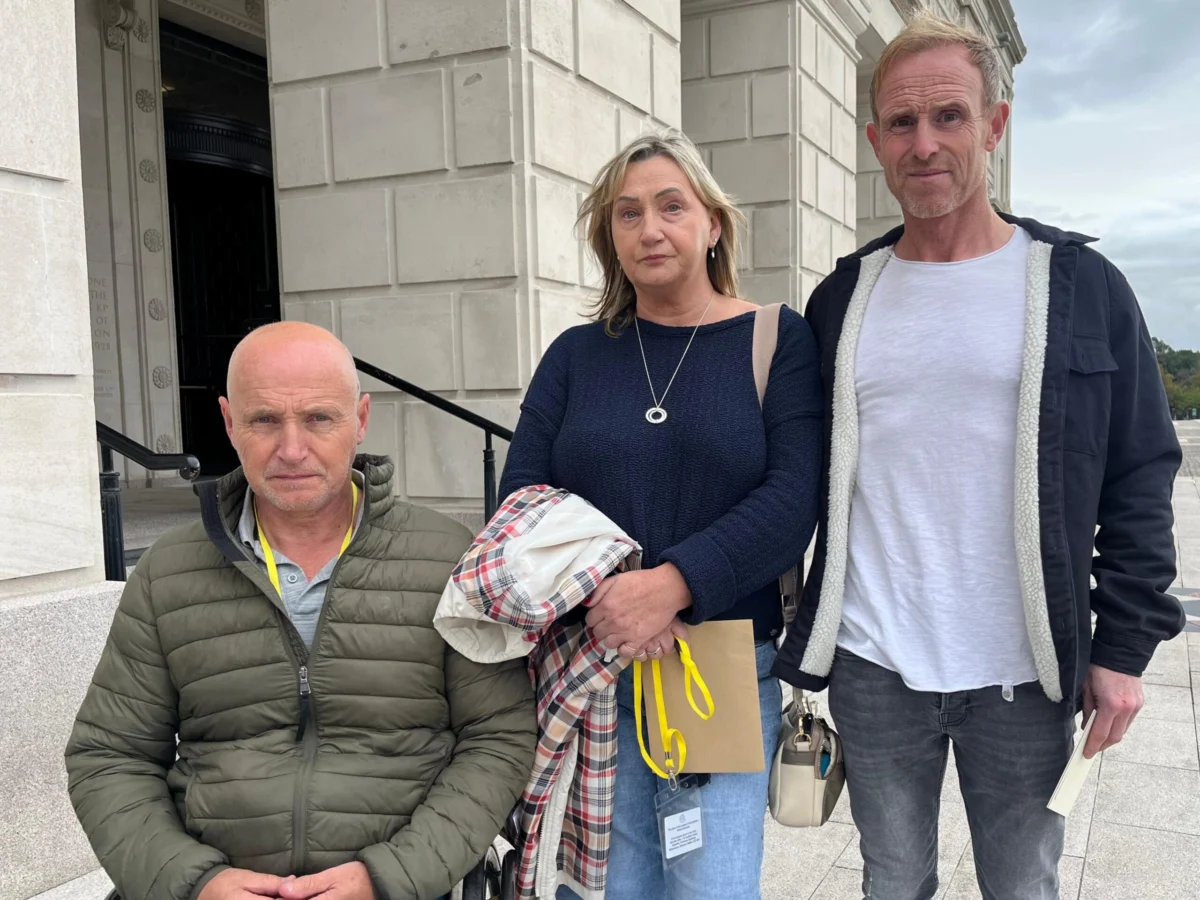
Reacting to Mr. Streeting’s promise, John Story expressed cautious optimism tempered with profound hope. "I just hope he stays true to his word and it goes ahead," he said. "I am really proud if I get the opportunity to speak about Lyla’s Law to him on a face-to-face scale." Mr. Story added that he was "very hopeful" he would hear from Mr. Streeting’s office within the next few days, signalling a potential breakthrough in his tireless advocacy. He firmly believes that Lyla would still be alive today if she had been tested for type 1 diabetes during her initial medical consultation.
The campaign for Lyla’s Law has gained significant momentum, culminating in a parliamentary petition that has garnered more than 120,000 signatures. Reaching this crucial threshold means the petition is now eligible for a debate in Parliament in the coming months, providing a national platform to discuss the vital need for improved diagnostic protocols. This public outpouring of support underscores the widespread concern regarding the current system and the desire for preventative measures to safeguard children.
Type 1 diabetes is an autoimmune condition where the body’s immune system attacks and destroys the insulin-producing cells in the pancreas. Unlike type 2 diabetes, it is not linked to lifestyle and typically develops in childhood or adolescence, though it can occur at any age. Its onset can be rapid and severe, leading to life-threatening complications if not diagnosed and treated promptly. Common symptoms in children include increased thirst (polydipsia), frequent urination (polyuria), unexplained weight loss, extreme fatigue, increased appetite, blurred vision, and abdominal pain. In younger children, these symptoms can be difficult to distinguish from common childhood illnesses, making diagnosis particularly challenging for healthcare professionals.
The most severe acute complication of undiagnosed type 1 diabetes is Diabetic Ketoacidosis (DKA), a dangerous condition that occurs when the body starts breaking down fat for energy due to a lack of insulin, leading to a build-up of acidic ketones in the blood. DKA can cause vomiting, dehydration, difficulty breathing, confusion, and can rapidly progress to coma and death if not treated urgently with insulin and fluids. Statistics show that a significant percentage of children with newly diagnosed type 1 diabetes in the UK present with DKA, indicating a delay in diagnosis. This often happens because early symptoms are missed or mistaken for other conditions, as was tragically the case with Lyla.
Current guidelines issued by the National Institute for Health and Care Excellence (NICE) stipulate that if doctors suspect type 1 diabetes in children and young people, they should be referred immediately to a specialist for diagnosis. However, campaigners like John Story argue that these guidelines are often not sufficient or consistently applied, leading to missed opportunities for early intervention. Lyla’s Law proposes a more proactive approach, potentially involving mandatory point-of-care blood glucose testing for children presenting with a cluster of symptoms that could indicate type 1 diabetes, even if other conditions, such as tonsillitis, are also suspected.
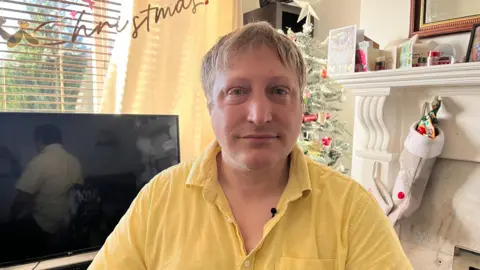
Mr. Story’s commitment to his daughter’s legacy extends beyond the petition and the potential meeting with Mr. Streeting. He has received more than 400 emails from other parents whose children have been diagnosed with type 1 diabetes, many of whom share similar stories of initial misdiagnosis or delayed recognition. These testimonies paint a stark picture of the challenges faced by families and healthcare providers. Mr. Story has vowed to ensure that Mr. Streeting "reads every single one of them," emphasising the scale of the problem and the collective voice of those impacted.
The potential parliamentary debate on Lyla’s Law will bring much-needed attention to this critical public health issue. It will provide an opportunity for MPs to hear directly from campaigners, medical experts, and affected families, prompting a review of existing diagnostic pathways and potentially leading to concrete policy changes. The debate could explore the feasibility and cost-effectiveness of widespread screening or enhanced diagnostic protocols, considering the long-term health benefits and reduced burden on the NHS from preventing DKA and other severe complications.
John Story’s journey is one of profound grief channelled into determined advocacy. His unwavering dedication to Lyla’s Law is driven by the hope that no other family will have to endure the preventable loss he and his family have experienced. The commitment from Wes Streeting marks a significant step forward, offering a glimmer of hope that Lyla’s tragic story will ultimately lead to a lasting legacy that protects countless other children. The coming weeks will be crucial as Mr. Story awaits the formal invitation for the meeting, a pivotal moment in his fight for improved paediatric diabetes diagnosis across the nation.

 Roy Suryo