George Anjay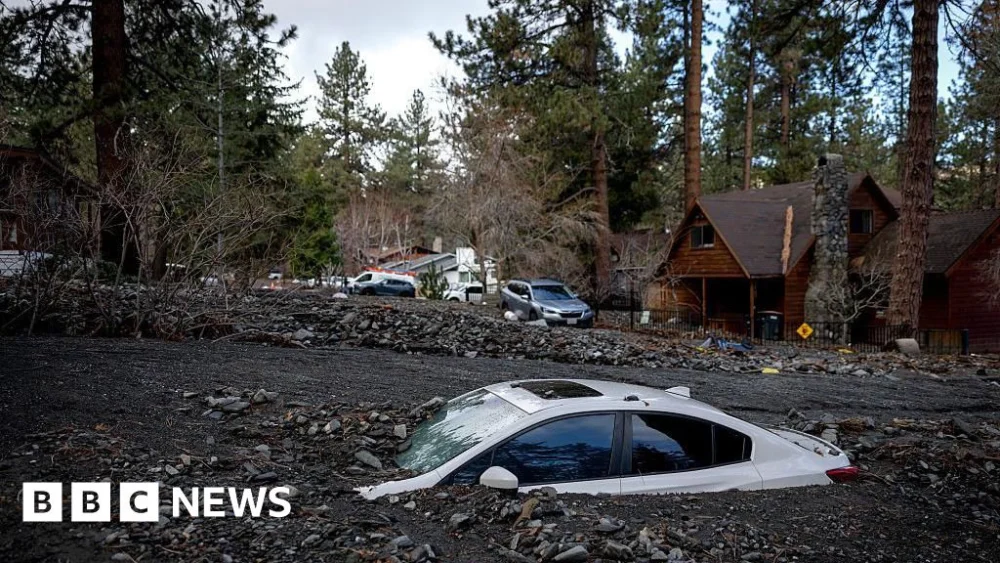
California’s relentless downpours are finally beginning to wane across the southern reaches of the state, offering a glimmer of hope after a devastating series of storms that unleashed widespread flooding and triggered treacherous mudslides. However, forecasters are issuing stark warnings: even modest rainfall could ignite further disasters in the now saturated landscape. The atmospheric rivers, colossal plumes of moisture transported from the Pacific Ocean, have delivered a punishing blow during one of the busiest travel periods of the year, leaving behind a trail of destruction and a heightened sense of vulnerability.
The full human cost of these catastrophic events is still being tallied, with officials confirming at least three fatalities directly linked to the extreme weather over the Christmas period. The storms, which persisted with significant intensity into Friday, deluged Los Angeles County with as much as six inches of rain, while mountainous regions bore the brunt, recording an astonishing 18 inches in some areas. This deluge necessitated widespread evacuations, choked major roadways, and plunged more than 50,000 households into darkness, with power restoration efforts continuing under challenging conditions on Friday.
The US National Weather Service’s Friday forecast underscored the persistent danger, cautioning that "the potential for flooding will be high," even as the intensity of the showers begins to diminish. "Flood watches and advisories remain in effect as it won’t take much additional rain to create flooding issues today, especially in the mountains where some areas have received close to 18 inches of rain since Tuesday," the NWS stated, highlighting the precarious balance of the current conditions. The sheer volume of water has overwhelmed natural drainage systems and saturated hillsides, turning normally docile terrain into a volatile threat.
These formidable storms were fueled by multiple atmospheric rivers, phenomena characterized by vast, invisible currents of water vapor originating over the oceans. These ribbons of moisture act like conveyor belts, transporting immense quantities of water to land, where they unleash torrents of rain and heavy snowfall. The timing of these events, coinciding with the peak of holiday travel, exacerbated the chaos, trapping many travelers and leading to numerous rescues by emergency responders. Reports emerged of individuals trapped in their vehicles as floodwaters surged with alarming speed, highlighting the immediate peril faced by residents.
The tragic toll of the storms includes a 64-year-old man from San Diego, who was killed by a falling tree on Wednesday morning, according to local police department reports. In Redding, a 74-year-old individual succumbed to floodwaters over the weekend while emergency services attempted to rescue him from his vehicle, as confirmed by the town’s mayor to local news outlets. Further north, in Mendocino County, a woman in her 70s lost her life on Monday after being swept into the ocean by a large wave at MacKerricher State Park, as reported by the sheriff’s office. These incidents serve as grim reminders of the destructive power of nature when unleashed with such ferocity.
In Los Angeles, Mayor Karen Bass addressed the unfolding crisis on Thursday night, acknowledging that a limited number of evacuation orders were still in place, emphasizing the ongoing need for vigilance. The forecast for Friday indicated a reduction in rainfall intensity and duration, with expectations of improving conditions by the evening. "Our overall picture is that there’s just one more day of this mess, mostly across Southern California, specifically in the LA area," Tom Kines, a senior meteorologist with AccuWeather, told Reuters on Friday. "We still have some issues today with bouts of heavy rain, but this weekend is mainly dry, thankfully." This respite, however, does not negate the lingering dangers.
The immediate aftermath of the deluge presents a complex array of challenges. Emergency crews are working tirelessly to clear debris, restore essential services, and assess the full extent of the damage. The saturated ground, particularly in mountainous and hilly areas, remains highly susceptible to further landslides and debris flows, even with reduced rainfall. Geologists and emergency managers are closely monitoring these zones, aware that even minor tremors or subsequent precipitation could trigger new slides, threatening homes and infrastructure. The vulnerability is amplified in areas already prone to such events, where the sheer volume of water has destabilized slopes that may have been previously considered safe.
The economic impact is also beginning to surface. Road closures have disrupted supply chains and local businesses, while damaged homes and infrastructure will require significant investment for repair and rebuilding. The agricultural sector, a vital component of California’s economy, may also face substantial losses due to flooded fields and damaged crops. The long-term recovery process is expected to be extensive, requiring sustained efforts from state and federal agencies, as well as community resilience.
Officials are urging residents to remain informed about local conditions and advisories. Even as the rain subsides, the risk of flash flooding in low-lying areas, riverine flooding as waterways swell, and dangerous debris flows from saturated hillsides persists. The cumulative effect of the atmospheric rivers has transformed the landscape into a precarious environment, where the ground itself has become an unpredictable hazard. The immediate focus is on ensuring public safety, providing support to those displaced, and beginning the arduous task of recovery.
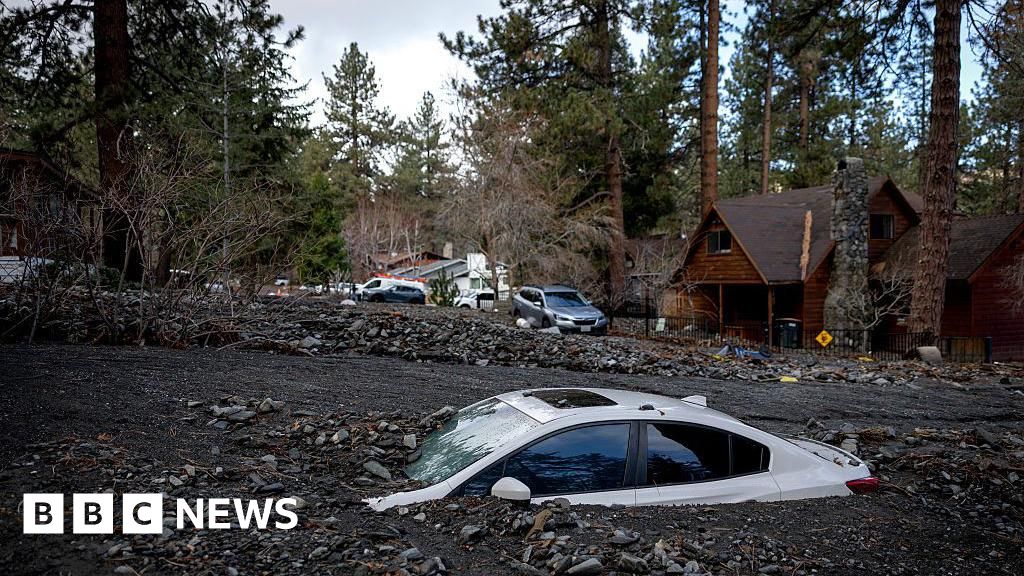
The recent storms have served as a stark reminder of California’s susceptibility to extreme weather events, amplified by the ongoing impacts of climate change. While the immediate threat of heavy rainfall may be diminishing, the lingering dangers of flooding and mudslides underscore the need for robust disaster preparedness and resilient infrastructure. The coming days will be critical for monitoring the aftermath and for communities to begin the process of rebuilding and adapting to the enduring consequences of this powerful weather system. The state, while breathing a sigh of relief as the skies clear, remains acutely aware of the work ahead to mitigate the persistent risks posed by the waterlogged terrain. The image of cars buried in debris in Wrightwood serves as a potent symbol of the storm’s destructive force and the ongoing challenges that lie ahead for recovery and resilience in California.




 Nakalama John
 Ramos Leo
 Nana Banana