
 Roy Suryo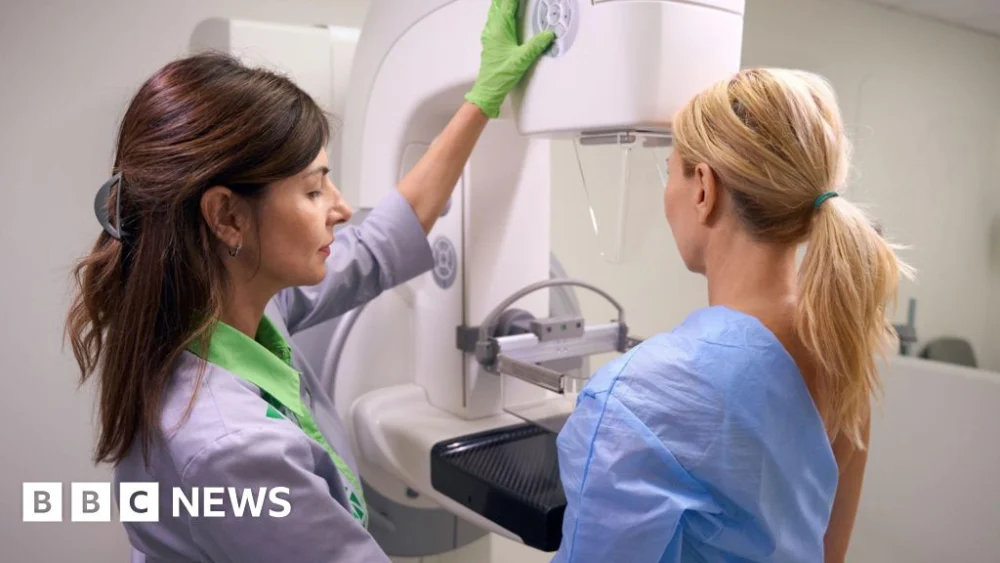
In a monumental leap forward for cancer prevention and personalized medicine, NHS England is launching a groundbreaking, world-first database of genes linked to an increased risk of developing cancer. This ambitious initiative, set to revolutionize how cancer is detected and managed, will empower individuals and their families across England to proactively understand and address their potential predisposition to the disease. By comparing a person’s genetic makeup against a comprehensive register of 120 genes known to elevate cancer likelihood, the NHS aims to identify those at higher risk, offering them targeted screening, preventative measures, and tailored treatment strategies. This innovative approach promises to significantly improve early detection rates, ultimately saving lives and transforming the landscape of cancer care.
The establishment of this comprehensive genetic register is a cornerstone of NHS England’s ambitious 10-year plan dedicated to enhancing both the prevention and treatment of cancer. The database will consolidate existing genetic testing capabilities, pulling together information from patients who already undergo testing due to a family history of the disease or a known higher risk profile. These individuals will be automatically enrolled, receiving personalized guidance on lifestyle modifications and early detection strategies to mitigate their risk. The overarching goal is to create a proactive healthcare system that can anticipate and intercept cancer before it becomes advanced.
Professor Peter Johnson, NHS England’s national cancer director, highlighted the unprecedented nature of this initiative, stating that it marks the first time any healthcare system globally has unified all available information regarding genetic cancer risk into a single, accessible platform. This centralized repository will enable the NHS to actively reach out to individuals identified as having an elevated genetic predisposition, offering them timely screening and, in some cases, preventative treatments. Professor Johnson emphasized that the register will allow practitioners to maintain vigilant oversight of these individuals, ensuring they receive access to the latest diagnostic tools and therapeutic advancements as they become available. He also reassured the public that the database will be managed with the utmost confidentiality and security, acknowledging that while learning about one’s cancer risk can be daunting, it is crucial for enabling the earliest possible detection of the disease.
The NHS National Inherited Cancer Predisposition Register builds upon the success of a similar, specialized database for Lynch syndrome. This earlier initiative demonstrated the tangible benefits of identifying individuals at higher genetic risk, leading to over 12,000 people being offered routine preventative screening. The impact of such targeted interventions is vividly illustrated by the case of Charlie Grinstead, a 32-year-old who was diagnosed with bowel cancer in 2020. His Lynch syndrome diagnosis was instrumental in his recovery, granting him access to immunotherapy after chemotherapy proved unsuccessful. Mr. Grinstead described his genetic diagnosis as "the key to my recovery," underscoring the life-altering potential of understanding one’s inherited cancer risks.
Health Secretary Wes Streeting hailed the new database as a "life-changing and life-saving" tool, asserting that it will significantly accelerate screening processes and enable the earlier detection of more cancers. He acknowledged the stark reality that one in two people will develop cancer in their lifetime, but crucially pointed out that these chances are not always random, with inherited genes playing a significant role for many. "And while we cannot do anything about inherited genes, we can do something about what we do with that information," Streeting stated, emphasizing the proactive power of this genetic register. He further elaborated that this "world-leading genetic register" will facilitate the provision of personalized and preventative care at an earlier stage, transforming the NHS’s approach to cancer management. The Health Secretary passionately articulated that the register will not only "supercharge innovation" but will also be "life changing and life-saving, allowing the NHS to develop individual care, fast-track screening and tailored information to enable more cancers to be caught earlier."
The potential impact of this initiative has been met with widespread enthusiasm from patient advocacy groups. Claire Rowney, the chief executive of Breast Cancer Now, expressed optimism that the move will "transform the lives of women who are at increased risk of breast cancer due to their family history or genetics." She stressed the critical importance of ensuring the database is accessible to all clinicians and meticulously designed to guarantee that individuals with an elevated risk profile receive "joined-up care," a coordinated and comprehensive approach to their healthcare journey. This sentiment underscores the broader recognition that while genetic information is powerful, its effective utilization hinges on seamless integration into clinical practice and patient support systems.
The 120 genes included in the database are those with established links to a significantly higher risk of various cancers. These include genes associated with hereditary breast and ovarian cancer (BRCA1 and BRCA2), Lynch syndrome (linked to colorectal, endometrial, and other cancers), and familial adenomatous polyposis (FAP), which predisposes individuals to colorectal cancer. The selection of these genes is based on robust scientific evidence and their clinical significance in predicting cancer risk. The NHS has stated that the list of genes will be subject to ongoing review and expansion as scientific understanding evolves and new genetic links to cancer are discovered.
The implementation of this database will involve a multi-faceted approach. Firstly, individuals who have already undergone genetic testing and are known to carry a gene mutation associated with an increased cancer risk will be identified and invited to join the register. Secondly, the NHS plans to expand its genetic testing programs, making them more accessible to individuals with a strong family history of cancer or those diagnosed with certain types of the disease. The data collected will be anonymized and securely stored, adhering to the highest standards of data protection.
For individuals identified as having an inherited predisposition to cancer, a personalized care plan will be developed. This plan may include:
- Enhanced Screening Programs: More frequent and targeted screening for specific cancers. For example, women with BRCA mutations might undergo earlier and more frequent mammograms and MRIs.
- Preventative Treatments: In some cases, preventative surgeries or medications may be offered to significantly reduce the risk of cancer development. For instance, individuals with a very high risk of breast or ovarian cancer might consider prophylactic mastectomy or oophorectomy.
- Lifestyle Advice: Tailored advice on diet, exercise, and other lifestyle factors that can influence cancer risk.
- Genetic Counseling: Access to genetic counselors who can provide further information, support, and discuss reproductive options for those considering starting a family.
- Personalized Treatment Strategies: For those who do develop cancer, genetic information can help predict their response to certain treatments, such as chemotherapy or targeted therapies, leading to more effective and personalized care.
The ethical implications of genetic testing and data management have been a key consideration in the development of this initiative. The NHS has emphasized its commitment to transparency, informed consent, and the right of individuals to control their genetic information. Patients will have the right to opt out of the register or request the removal of their data. Robust governance frameworks are being put in place to ensure that the database is used solely for the purpose of improving cancer prevention and treatment, and that it is not misused for any other discriminatory or commercial purposes.
The integration of this genetic register into routine NHS care is expected to be a phased process, with initial rollout focusing on specific cancer types and patient groups. Over time, it is anticipated that the database will become a fundamental tool for cancer care across England, enabling a more proactive, personalized, and ultimately, more effective approach to combating this devastating disease. The ambition is to foster a culture where genetic risk is understood and managed, transforming cancer from a potentially life-ending diagnosis into a manageable or even preventable condition for many. This landmark development represents a significant step towards a future where the NHS is at the forefront of personalized cancer medicine, leveraging the power of genetics to protect the health of its population.




 Nakalama John
 atisusanti
 Ramos Leo
