Ramos Leo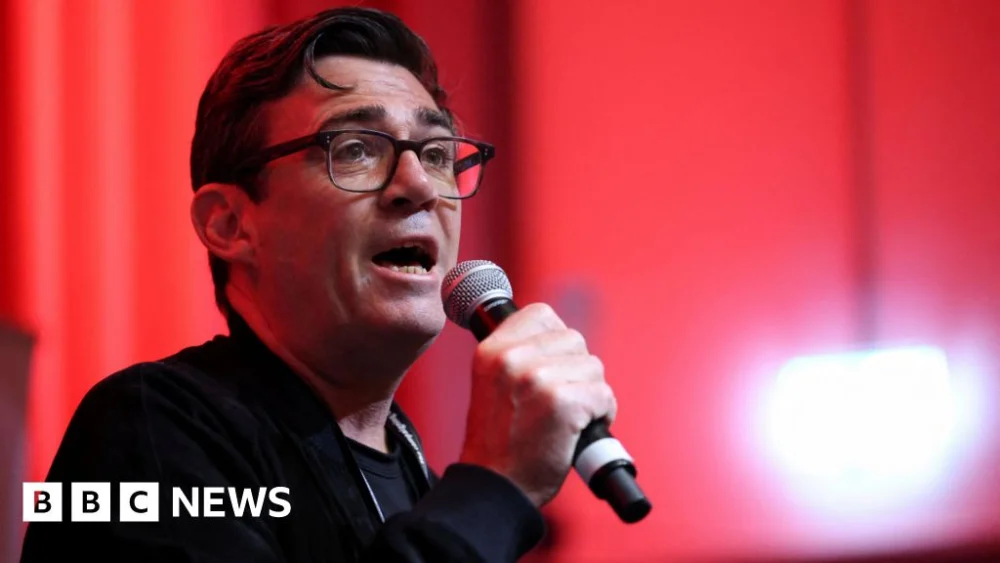
The Labour Party’s ruling National Executive Committee (NEC) is poised to deliver a momentous verdict today on whether Andy Burnham, the popular Mayor of Greater Manchester, will be permitted to seek election as an MP in the upcoming Gorton and Denton by-election. This decision carries profound implications not just for Burnham’s political future, but for the internal stability and strategic direction of the Labour Party under Sir Keir Starmer. Allies of the Prime Minister are reportedly keen to block Burnham’s return to Westminster, fearing he could quickly emerge as a formidable leadership contender, potentially challenging Starmer’s authority in the wake of the May elections.
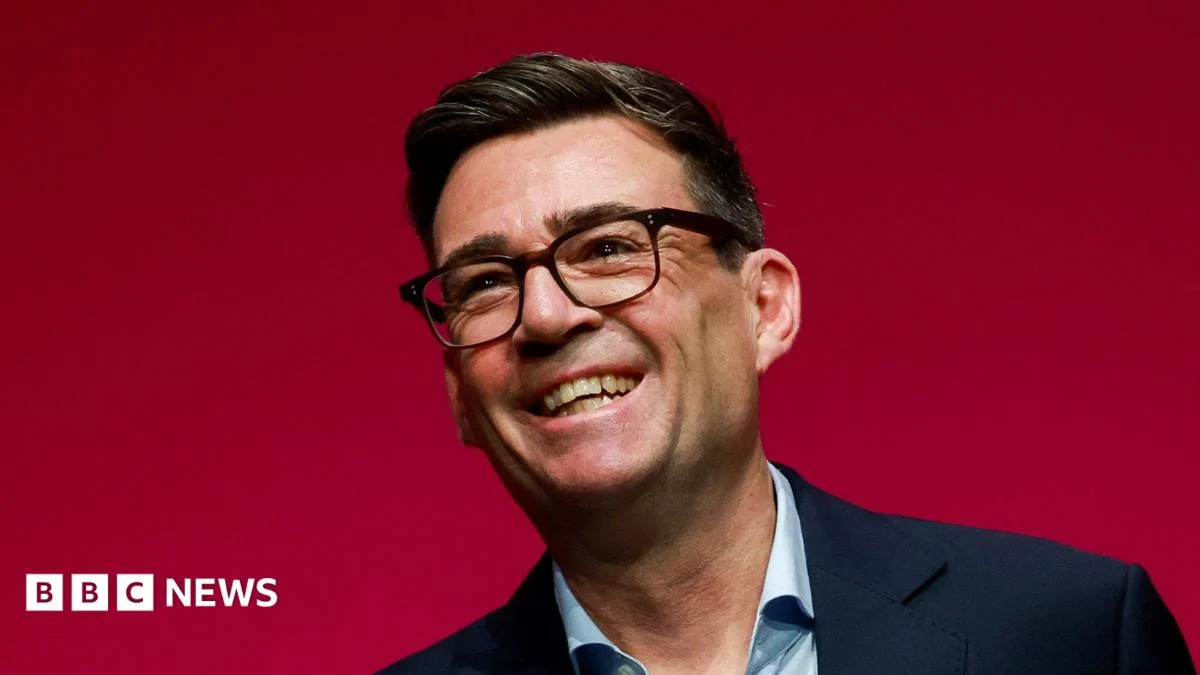
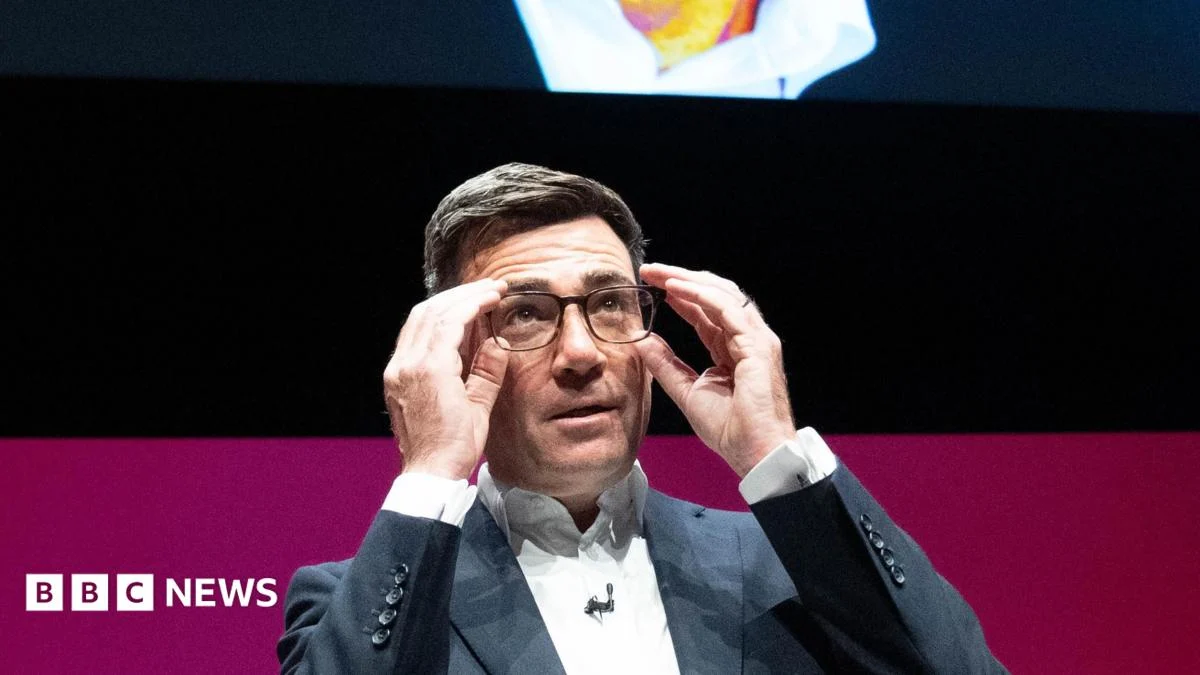
Andy Burnham, a prominent figure in Labour politics and a former cabinet minister under Gordon Brown, publicly announced his application to contest the vacant Gorton and Denton seat, emphasizing his desire to "support the Labour government, not undermine it." His statement, shared across social media, painted a picture of a leader driven by a national imperative to bring about the transformative changes he believes are needed across the country, akin to the "different way of doing things" he has pioneered in Greater Manchester. He expressed a deep concern about a "direct threat to everything Greater Manchester has always been about from a brand of politics which seeks to pit people against each other," suggesting his return to national politics was a necessary step to counter this.
However, the perceived threat of a leadership challenge looms large over his application. Burnham has long been touted as a future Labour leader, a reputation that predates his move to regional politics nearly a decade ago. Speculation has been rife that Sir Keir Starmer could face a challenge after the May elections, which encompass votes for the Welsh and Scottish Parliaments, as well as numerous English local councils. For Burnham to mount such a challenge, he must first be an MP – a critical prerequisite that amplifies the current tensions surrounding his candidacy. The very act of blocking a popular, high-profile mayor from standing in a traditionally safe Labour seat is fraught with political peril for Starmer and his inner circle, yet their apparent willingness to do so underscores the seriousness with which they view Burnham’s potential return as a direct threat.
The Gorton and Denton constituency in Greater Manchester became vacant following the resignation of long-serving MP Andrew Gwynne on health grounds last Friday. Historically, the seat has been a Labour stronghold, with the party securing a substantial majority of 13,000 votes in the 2024 general election. However, the current political landscape is far more volatile. Labour’s national popularity has seen fluctuations, and the party could face significant challenges from a resurgent Reform UK and a growing Green Party, who placed second and third respectively in the last election. This makes the by-election potentially "difficult," as acknowledged by Deputy Labour Leader Lucy Powell, adding another layer of complexity to the NEC’s decision.
Under Labour Party rules, as a directly-elected mayor, Burnham requires specific approval from the NEC before he can even enter the race to become the party’s candidate. This regulatory hurdle provides Starmer’s allies with the mechanism to potentially thwart his ambition. One of the primary grounds for blocking Burnham’s application, according to several Labour sources, revolves around the significant financial implications of triggering a new mayoral election for Greater Manchester. If Burnham were to win the Gorton and Denton seat, he would be compelled to resign his mayoral post, necessitating a costly by-election for the region. The last mayoral election alone cost taxpayers an estimated £4.7 million, a burden the party might be reluctant to incur, especially if it opens the door to another party potentially capturing the mayoralty.
Reactions from within the Labour Party have been notably divided, highlighting the deep internal struggles surrounding this issue. London Mayor Sir Sadiq Khan unequivocally stated that Burnham should be allowed to stand if he wishes, recognizing his electoral strength. Similarly, Energy Secretary Ed Miliband championed Burnham as "a massive asset" for Parliament, expressing hope that Gorton and Denton party members would be given "the option" of selecting him. John McTernan, former political secretary to Tony Blair, also argued that Burnham’s candidacy would be in the party’s best interests, particularly given concerns over national polling figures and the rise of Reform UK, which he suggested posed a threat not just to Labour but to the achievements of regional mayors.
However, other prominent figures have voiced more cautious or even oppositional sentiments. Deputy Leader Lucy Powell, while acknowledging the need for "the best team out on the pitch," simultaneously called for Labour members to "get behind Keir Starmer" and urged against the by-election descending into "in-fighting and talking about ourselves." Health Secretary Wes Streeting pointed to the "big questions to weigh up," specifically referencing the potential for a Greater Manchester mayoral election if Burnham were to succeed. Perhaps most pointedly, Labour MP Jo White questioned whether Burnham was "willing to sacrifice giving up the Manchester mayor to Reform or another party to pursue his parliamentary ambitions," highlighting the strategic risk of ceding a powerful regional platform.
This internal debate underscores the profound strategic dilemma facing Sir Keir Starmer. Blocking a figure as popular and successful as Andy Burnham risks significant political fallout, potentially alienating a substantial segment of the party’s base and providing ammunition to critics who would portray Starmer as authoritarian or fearful of internal dissent. Conversely, allowing Burnham to return to Westminster, especially if the May elections yield a less-than-stellar performance for Labour, could empower a potential challenger and destabilize Starmer’s leadership at a critical juncture. The decision thus becomes a delicate balance between managing internal party dynamics, safeguarding the leader’s position, and presenting a united front to the electorate ahead of a general election.
Burnham’s letter announcing his intentions went further than simply stating his desire to return. He reflected on his decade away from Westminster, stating he believed "it wasn’t working for people in our part of the world" and that as mayor, he had "tried to pioneer a different way of doing things." His conviction that similar national-level changes are needed fuels his "need to go back," positioning himself not merely as an ambitious politician, but as a proponent of a reformed political approach. He has insisted he would be in Parliament "to support the work of the government" and has directly assured the Prime Minister of this, though such assurances are often viewed with a degree of skepticism in the cutthroat world of Westminster politics.
The NEC’s decision this morning, expected around 11:00 GMT, will therefore set the tone for much of Labour’s internal discourse in the coming months. If Burnham is blocked, the fallout could be immediate and damaging, potentially sparking a wider debate about internal party democracy and Starmer’s leadership style. If he is permitted to stand, and subsequently wins the by-election, the dynamic within the Parliamentary Labour Party could shift considerably, introducing a powerful new voice who, despite his protestations, will undoubtedly be watched closely for any signs of future leadership ambition. Beyond the immediate drama, the long-term implications for the Greater Manchester mayoralty, a significant Labour success story, also hang in the balance, creating a multi-layered strategic puzzle for the party to solve.


 Roy Suryo