Ramos Leo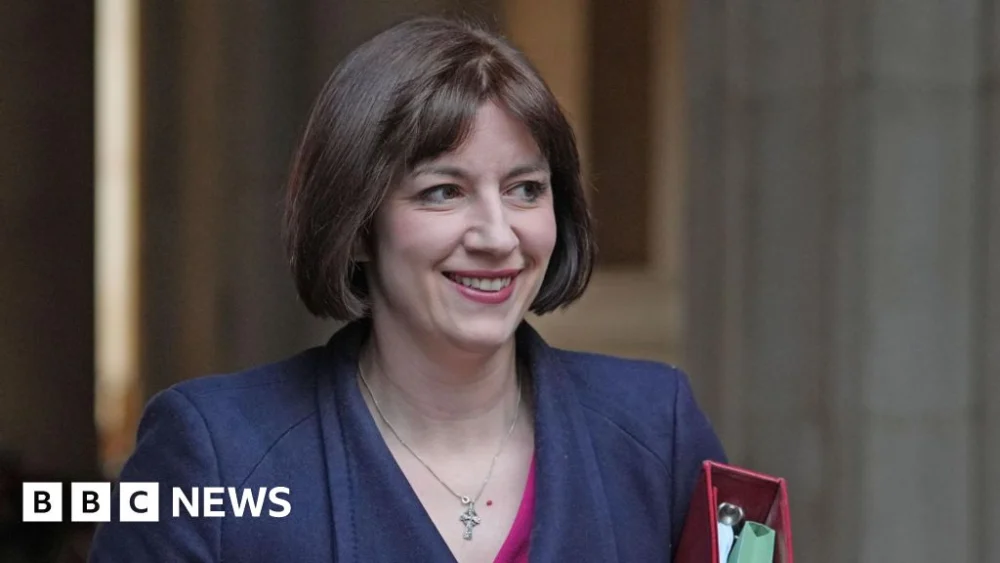
Education Secretary Bridget Phillipson has issued a robust directive, instructing all schools across England to implement a comprehensive, school-wide ban on mobile phones for the entire duration of the school day. This decisive move aims to foster an environment conducive to learning, free from the myriad distractions posed by personal devices. In a letter exclusively obtained by the BBC, Phillipson made it unequivocally clear that the use of mobile phones is "not appropriate" under any circumstances within school hours, explicitly ruling out their use even as calculators or for research during lessons, let alone during crucial break times and lunch periods. This strengthened guidance marks a significant shift, demanding a consistent and uniform approach across the nation’s schools.
To ensure adherence to this new policy, Phillipson confirmed that Ofsted, the education watchdog, will be incorporating the implementation of mobile phone policies into its inspection framework. This direct oversight by Ofsted signals a serious intent from the government to enforce the ban, placing additional pressure on school leaders to comply. Furthermore, the guidance extends to school staff, advising teachers and other personnel against using their personal phones in front of pupils. This aspect aims to model appropriate behaviour and prevent situations where staff phone use might inadvertently encourage or normalize student phone use.
The announcement, however, has not been met with universal approval, particularly concerning the role of Ofsted. A prominent head teachers’ union voiced strong opposition, describing the use of Ofsted to "police" schools’ mobile phone policies as "deeply unhelpful and misguided." This sentiment highlights a broader tension between government directives and the autonomy and professional judgment of school leaders.
This latest guidance builds upon, and indeed supersedes, previous advice issued by the Conservative government in February 2024. Phillipson’s letter critically noted that the earlier guidance "did not deliver the clarity or consistency that schools need." Consequently, the current Labour government has "strengthened" the guidance, making it "explicit" that pupils should not be using their phones at school at any point during the day. This emphasis on clarity and consistency underscores the perceived inadequacy of previous attempts to regulate phone use, suggesting a fragmented approach had allowed for too much variation in school policies.
Politically, the move has garnered mixed reactions. Shadow policing minister Matt Vickers expressed his "entire support" for "empowering headteachers to make sure that classrooms are places of learning," aligning with the government’s stated aim. Conversely, Laura Trott, the shadow education secretary, dismissed the letter as "yet more guidance," contending that it "doesn’t represent action, it’s just more delay." This criticism suggests a perceived lack of substantive legislative change, viewing the guidance as insufficient to tackle the underlying issues.
Phillipson’s letter arrives less than a week after the government announced a three-month consultation on a potential ban on social media for all under-16s across the UK. The education secretary has actively encouraged teachers to "contribute your professional insight" to this wider consultation, signalling a holistic approach to safeguarding children in the digital age. This broader initiative has already seen Conservative leader Kemi Badenoch pledge that her party would introduce such a ban if returned to power, indicating a cross-party recognition of the challenges posed by social media to young people. The stricter guidance for schools, including staff phone usage, forms part of this larger push to curb digital distractions and potential harms.
Recent research by the survey tool Teacher Tapp sheds light on the existing landscape of phone use within schools. The data indicated that a significant 86% of primary school teachers were permitted to use their phones for personal reasons at school, albeit primarily during breaks. Among secondary school teachers, 44% reported being allowed to use their phones freely. Strikingly, only a mere 2% of both primary and secondary teachers surveyed stated that their schools had an outright ban on staff using phones entirely during the school day. This data suggests that the new guidance will necessitate a considerable shift in behaviour not just for students, but also for many educators.
Headteachers like Tony McCabe, from St Joseph’s High School in Horwich, Greater Manchester, have welcomed the reinforced guidance. McCabe articulated a strong belief that phones can be "very destructive for young people during the school day." He highlighted the concerning trend of "incredibly excessive" screen time, with some children reportedly engaging with devices for as long as five hours before the school day even commences. St Joseph’s High School already operates a strict ban on mobile phones, permitting their use only in emergency situations under adult supervision. However, McCabe also offered a nuanced perspective, stressing the importance of striking a balance. He acknowledged, "We’ve got to prepare them for the world of work out there. That involves emerging technology. We can’t ignore that it exists and I believe that schools have a role and a duty to educate young people to use that technology wisely and effectively." This perspective underscores the challenge of balancing protection from harm with the necessity of fostering digital literacy.
Teaching unions have generally expressed support for the wider social media consultation but have been vocal in their objections to Ofsted’s proposed role in monitoring mobile phone policies. Paul Whiteman, general secretary of the National Association of Head Teachers (NAHT), emphasized that school leaders "need support from government, not the threat of heavy-handed inspection." This highlights a desire for collaborative solutions rather than punitive measures. Pepe Di’Iasio, general secretary of the Association of School and College Leaders (ASCL), viewed the letter as providing much-needed clarity for both schools and parents. He expressed hope that it would serve as a foundational step towards the broader ban on social media for under-16s, reinforcing the interconnectedness of these policy initiatives.
It is important to note the devolved nature of education policy within the UK. While the government’s consultation on social media concerns the entire UK, the specific guidance for schools regarding mobile phones applies solely to England. Other constituent nations have adopted differing approaches. In Wales, the Senedd (Welsh Parliament) stated last year that phones "should not be banned ‘outright’" from schools, instead advocating for schools to be supported in setting and implementing their own tailored policies. This reflects a preference for local autonomy and context-specific decision-making.
Northern Ireland’s Education Minister, Paul Givan, previously advised schools to restrict pupils’ mobile phone use and has more recently supported a campaign encouraging parents to delay buying smartphones for their children until they reach 14 years old. This approach emphasizes parental involvement and a phased introduction to smartphone technology. In Scotland, schools have been provided with government guidance that empowers them to establish their own rules, which can include measures such as pupils handing in phones before lessons or prohibiting their use on school trips. These varied approaches across the UK underscore the complexities of regulating technology in education, reflecting differing philosophical stances on the balance between national directives and local discretion, as well as the pace at which such changes should be implemented.
The government’s assertive stance on banning phones throughout the school day in England is a clear signal of its commitment to tackling what it perceives as a growing crisis of digital distraction and potential harm to young people. Proponents argue that a phone-free environment will significantly improve student concentration, reduce instances of cyberbullying and online harassment, foster better mental health outcomes by alleviating social comparison pressures, and encourage more genuine face-to-face interactions among peers. It could also create a more equitable learning environment, lessening the social pressures associated with owning the latest devices.
However, the implementation of such a comprehensive ban presents considerable practical challenges. Schools will need robust systems for collecting and storing phones, clear protocols for dealing with non-compliance, and effective communication strategies for engaging parents. Concerns have also been raised about the potential impact on communication during emergencies, though most schools have established alternative channels for urgent contact. The debate also touches on the broader pedagogical question of whether an outright ban truly equips students with the critical digital literacy skills necessary to navigate an increasingly technological world, or if it merely delays exposure to technologies they will inevitably encounter.
Ultimately, Phillipson’s directive represents a bold move to reclaim the educational space from the pervasive influence of mobile technology. Its success will hinge not only on the clarity of the guidance and the enforcement by Ofsted but also on the willingness of schools, parents, and students to embrace this new, phone-free paradigm. This initiative is part of a larger, ongoing societal conversation about the role of technology in the lives of young people and the responsibility of institutions to safeguard their well-being and academic progress in an ever-evolving digital landscape.



 Roy Suryo