Roy Suryo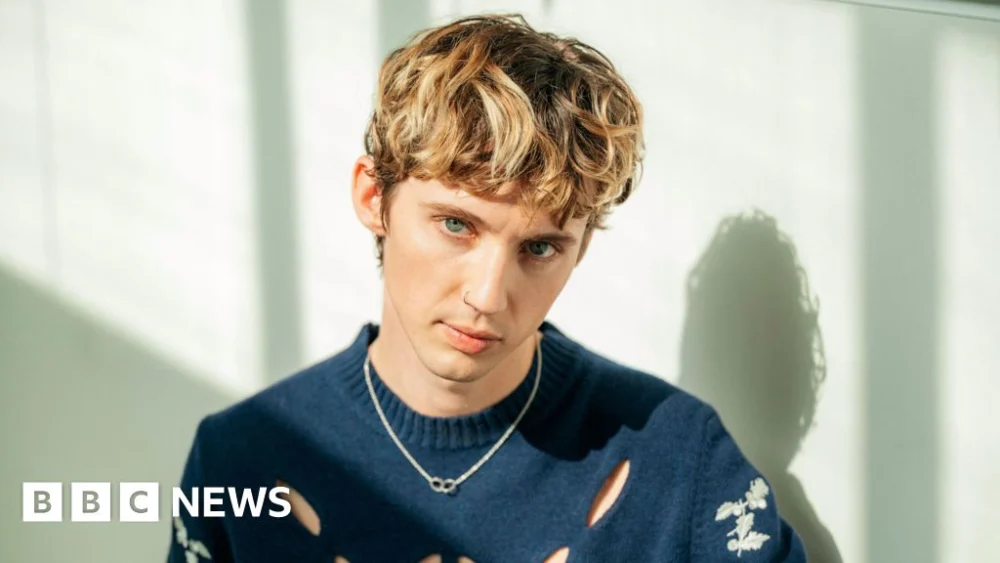
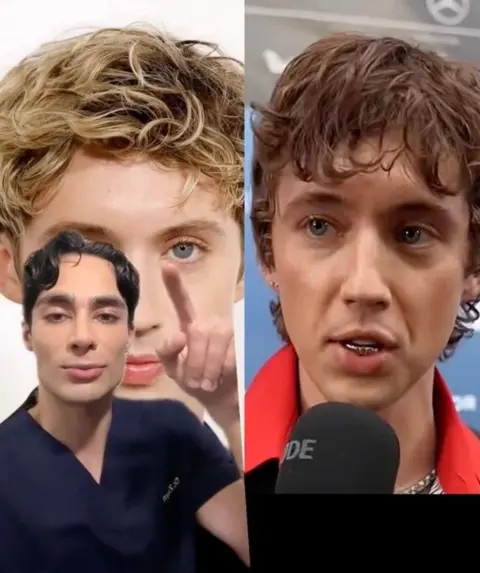
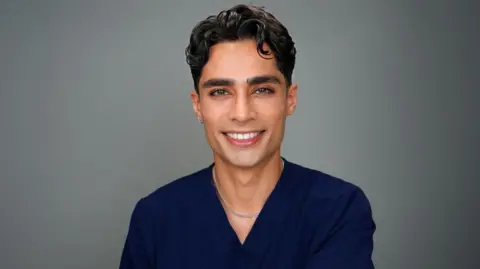
A cosmetic doctor who faced widespread criticism for a TikTok video analyzing pop star Troye Sivan’s facial features has issued a heartfelt apology, admitting he "feels terrible" for the distress he caused. Dr. Zayn Khalid Majeed, based in London and boasting over 250,000 followers across social media platforms, had posted a two-minute clip dissecting what he termed "problem areas" on the 30-year-old singer’s face following a recent Australian event. The video, which compared studio images with red carpet footage, suggested Sivan was exhibiting signs of "twink death," a colloquial term often used to describe the perceived aging of younger, slim gay men with a boyish appearance. Dr. Majeed then proceeded to outline potential cosmetic "improvements," including skin boosters and dermal fillers, as if Sivan were his patient.
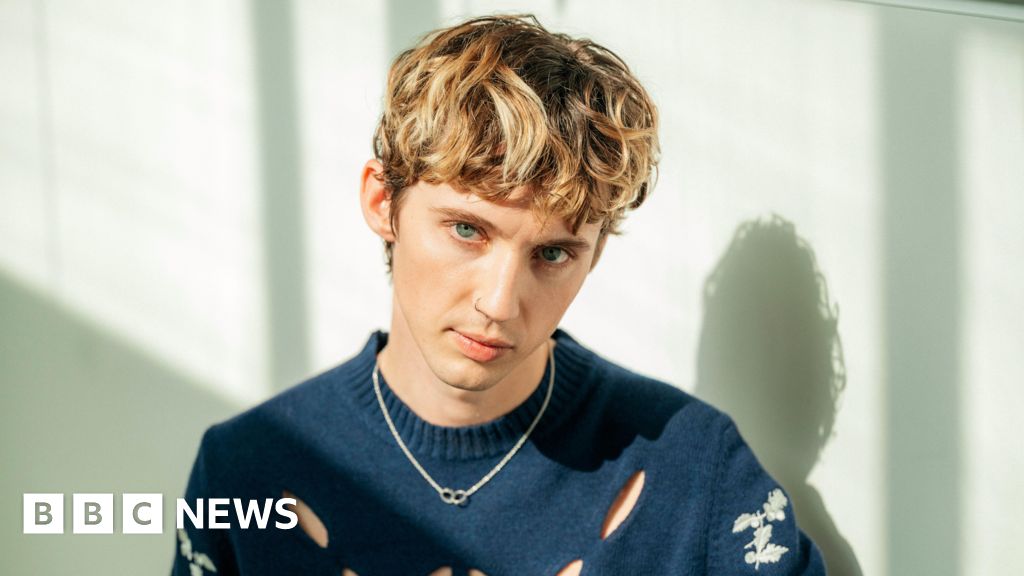
The reaction on social media was swift and overwhelmingly negative, with many condemning the "unsolicited medical advice" and the invasive nature of analyzing a celebrity’s appearance. Troye Sivan himself responded profoundly, sharing an essay on the blogging platform Substack detailing how the video had exacerbated long-held insecurities about his body image and even pushed him to consider cosmetic surgery. "I’ve struggled with my body image for a lot of my life, as I’m sure most people have," Sivan wrote. "What good is money and modern medicine if not to fix all of these flaws that this random… plastic surgeon told me I have?" He expressed a sense of helplessness, questioning the value of his success if it couldn’t alleviate the perceived imperfections highlighted by the doctor.
In the wake of Sivan’s candid response, Dr. Majeed removed the offending videos from his TikTok and Instagram accounts. He subsequently contacted Sivan directly to offer his apologies. "I felt terrible and it was never my intention to make him feel like that," Dr. Majeed told BBC Newsbeat. He described Sivan’s response as "incredibly raw and vulnerable" and acknowledged the significant impact his content had on the singer. Sivan later updated his blog, stating there were "no hard feelings from [his] side," and described Dr. Majeed’s apology as a "thoughtful and sweet message."
Dr. Majeed, who is registered with the General Medical Council as a doctor, not a surgeon, admitted he could "see how it came across." He explained that his initial intention in creating social media content was to "educate and inform" the public about cosmetic procedures. However, he conceded that he began incorporating celebrity analyses because he noticed a significant audience interest. "For every one celebrity video I make, I make five chatty educational videos," he stated, aiming to balance his content.
Reflecting on the incident, Dr. Majeed expressed a desire to avoid contributing to the "negative beauty standards" that many individuals face. "I have a voice and I need to use it to shape conversations for the better, where we’re more body positive and we accept ageing as a natural process," he asserted. "Sometimes you don’t realise the impact that you can have." Despite the controversy, Dr. Majeed indicated he would continue to analyze celebrity faces, believing there is a genuine public interest and a need to "demystify surgeries that celebrities have and educate patients."
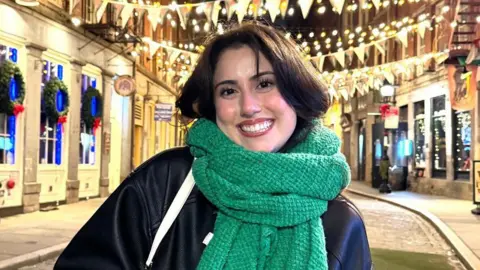
However, the incident has sparked broader conversations about the influence of cosmetic procedure content online. Samantha Rizzo, a "skin-positivity" content creator from New York, shared her perspective, acknowledging the potential benefit of posts that transparently showcase cosmetic work with client consent. "I appreciate if you’re using your clients and they consent to their before, during, after photos," she told Newsbeat. "I feel a little icky when they’re just taking the celebrity’s picture. Just because they’re famous doesn’t mean you have the right to just pick them apart."
Rizzo, 26, recounted her own experience with the influence of online content, admitting she underwent Botox injections in her jaw for pain and migraine relief after watching numerous videos. The procedure, however, left her with limited facial movement, a decision she now regrets. She believes her insecurities were significantly shaped by the content she consumed, leading to a skewed perception of herself that prompted the procedure. "The things you can see can skew your perception of yourself so much that it forces your hand for a decision like that," she said, calling the phenomenon "mind-boggling."
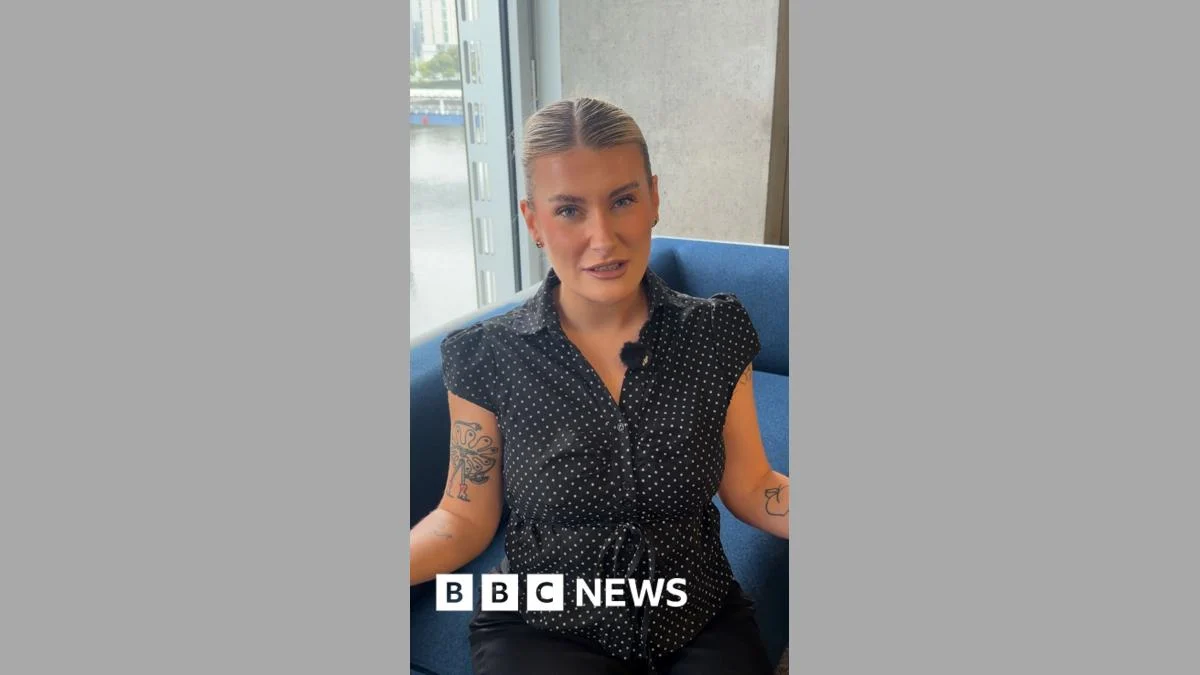
Irish social media personality Keelin Moncrieff also voiced concerns about the accessibility of information on cosmetic procedures and its potential impact on young people. While understanding that some creators might aim for transparency, she argued that such content risks acting as an endorsement. "People can’t make up or fill in the gaps of what they’re not seeing behind the scenes," Moncrieff, 28, observed. "People think that this is an easy process." She highlighted the constant barrage of appearance-related comments she has received online, including one about her hands being "wrinkly," an observation that had never occurred to her.
Moncrieff stated her firm stance against surgical alterations to her own appearance. "Very often I look in the mirror and think: ‘Oh, I could get this done, I could get this done’," she admitted. "I would find that disturbing. I don’t want to uphold those standards." She believes that online discussions around cosmetic surgery can create unrealistic expectations and normalize potentially harmful beauty standards.
Correction: The headline and first paragraph of this story previously described Dr Zayn Khalid Majeed as a cosmetic surgeon. It has been updated to reflect the fact he is registered with the General Medical Council as a doctor, not a surgeon.



 Nakalama John
 atisusanti
 Ramos Leo