
 Roy Suryo
About 1.6 million people in the UK used weight-loss jabs in 2024, a significant rise according to University College London research, with millions more expressing interest. These revolutionary injections, which mimic the natural hormone GLP-1 to regulate appetite, are not only transforming bodies but also reshaping consumer behaviour across various sectors. For those opting for private prescriptions, the monthly cost can exceed £300, prompting a re-evaluation of spending priorities as the popularity of these drugs continues to soar.
1. Grocery Shopping: A Shift Towards Nutrient-Dense Choices
The primary mechanism of weight-loss injections involves a reduction in appetite, leading users to consume smaller quantities of food. Sam Gillson, a 38-year-old from Shropshire who has lost over four stone since June, shared with BBC Your Voice how his weekly grocery bill has decreased. "I’m definitely buying more fresh foods, and fewer unhealthy ready meal/easy dinner options like pizza, chips and nuggets," he explained. This shift in purchasing habits is reflected in supermarket strategies. Major retailers like The Co-op, Morrisons, and Marks & Spencer have introduced nutrient-dense ready meal ranges, while Ocado now offers smaller portion sizes, such as a 100g steak, responding to a growing demand for mindful eating and quality over quantity. Sam emphasizes the importance of ensuring that the reduced food intake still provides essential nutrients and vitamins.
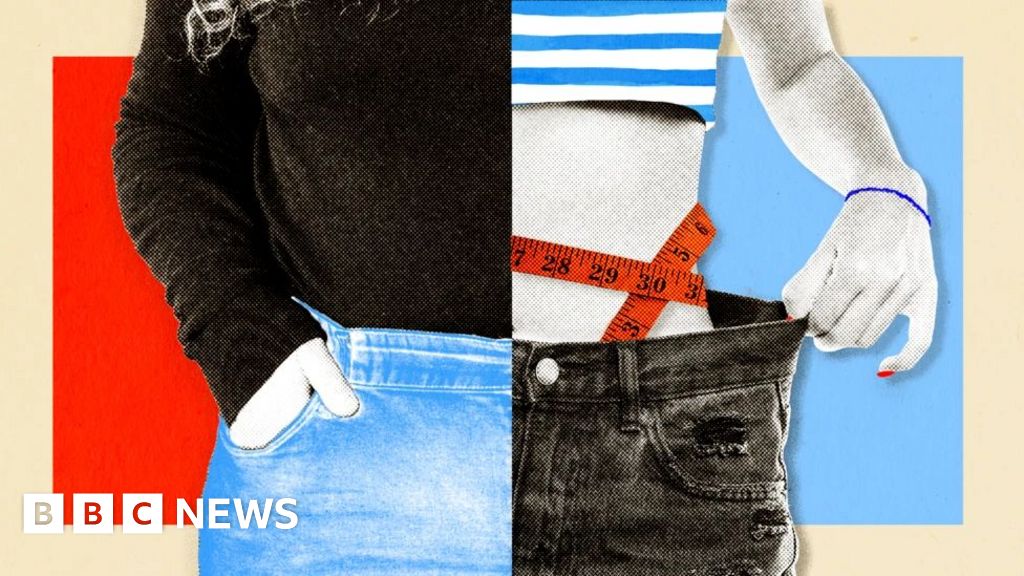
This trend extends beyond portion size to the types of food being purchased. Protein-rich smoothies and snacks are increasingly appearing on shelves. Jonny Forsyth, a food and drink strategist at consumer research group Mintel, notes that these developments are part of a broader societal trend where health is becoming paramount, particularly for younger demographics. He believes that GLP-1 drugs are "changing the culture," making it fashionable to consume more nutrient-dense foods and "adding oxygen to existing trends." This cultural shift suggests a more conscious and informed approach to food consumption, driven by both health aspirations and the physiological effects of the medication.
2. Dining Out: Reduced Frequency and Portion Awareness
The impact of weight-loss injections is also being felt in the hospitality sector, with a notable decrease in dining out frequency among users. A survey by research consultancy KAM Insight last year revealed that nearly a third of people using GLP-1 drugs were eating and drinking out less often. Annie Haslam, 70, from Cornwall, who spends approximately £186 per month on her injections, has significantly altered her dining habits. "Instead of having takeaways once or twice a month, I haven’t had one for months," she stated. "I used to eat out at a restaurant once a week maybe, I don’t do that any more."
Sam Gillson echoes this sentiment, noting a reduction in his takeaway consumption. However, he points out that while he feels healthier, the cost of the injections means he isn’t necessarily saving money overall. This observation aligns with comments from Greggs’ chief executive, who recently acknowledged that weight-loss drugs are leading consumers to seek "smaller portions." The influence is even reaching high-end dining. Heston Blumenthal’s Michelin-starred restaurant, The Fat Duck, has introduced a new menu designed for diners looking to eat more "mindfully," specifically catering to those on appetite suppressants. This indicates a broader adaptation within the food industry to accommodate changing dietary needs and preferences driven by these medications.
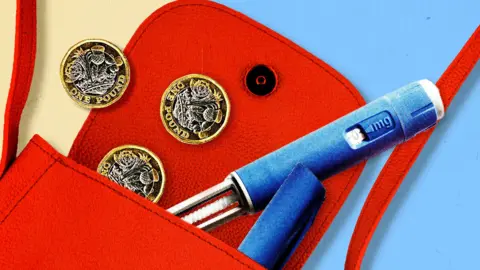
3. Alcohol Consumption: A Growing Trend Towards Sobriety
Evidence suggests a correlation between the use of weight-loss drugs and reduced alcohol intake. A February 2025 study by consumer research firm Worldpanel by Numerator indicated a 15-percentage point drop in alcohol volume purchases in households with GLP-1 users compared to a control group. Nicole Tallant, food trading director at The Co-op, observed that their members using weight-loss drugs are "reducing their alcohol intake alongside their consumption intake from food," prioritizing "overall health and holistic well-being."
This trend is occurring against a backdrop of a burgeoning non-alcoholic beverage market. The British Beer and Pub Association anticipates a record 200 million pints of low and no-alcohol beer to be consumed in 2025. Jonny Forsyth of Mintel notes the existing "strong trend towards sobriety" and suggests that GLP-1 drugs could provide a significant additional boost. For the alcohol industry, this presents a potential challenge, as consumers increasingly opt for healthier lifestyle choices, which may include moderating or abstaining from alcohol.
4. Fashion: A Wardrobe Overhaul and Evolving Style Choices

The physical transformations brought about by weight-loss injections often necessitate significant changes in wardrobe. Annie Haslam, having transitioned from a size 18 to a size 12, found her old clothes no longer fitting. She estimates the cost of replacing her entire wardrobe, including underwear, to be "a couple of thousand pounds." Dan Coatsworth, head of markets at AJ Bell, believes that while fashion retailers haven’t explicitly cited weight-loss drugs in their financial reports, the impact is undeniable. He anticipates a "massive tailwind (boost) for the fashion sector" as a result of the widespread use of these medications.
Second-hand platforms like Vinted are likely to see increased activity as individuals quickly outgrow their existing clothing. Beyond functional necessity, the desire for a "reinvention" can emerge. Simone Konu-Rae, a senior lecturer in fashion communication at Central Saint Martins, suggests that a newfound confidence can inspire individuals to explore styles they previously felt were not accessible to them. This can lead to a complete reevaluation of personal style and shopping habits, potentially opening up new avenues in the fashion market.
5. Beauty, Health, and Fitness: A Surge in Wellness Investment
The pursuit of a holistic transformation extends into the beauty, health, and fitness industries. A survey by Worldpanel by Numerator last year indicated an increase in spending on healthcare, toiletries, and supplements among individuals using weight-loss injections. Some companies, particularly in the US and now expanding to the UK, are offering specialized "retreats" targeted at GLP-1 users.
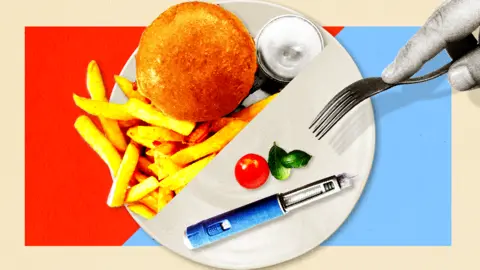
Will Orr, chief executive of The Gym Group, observes a growing demand for fitness services, as individuals using weight-loss drugs aim to maintain their weight loss and build muscle mass. The Gym Group is actively educating its trainers to better support members undergoing these treatments. However, Orr also highlights that health, fitness, and wellness are already "juggernaut trends that are not going anywhere," with weight-loss drugs amplifying these pre-existing patterns.
In the beauty sector, while GLP-1s are on the radar of most brands, product launches specifically for users of these drugs are still nascent in the UK, unlike in the US where niche and expensive options exist. Georgia Stafford, a research analyst at Mintel, notes that the cost of weight-loss drugs might also lead some consumers to cut back on spending in other areas. Consequently, many existing beauty products offering benefits like plumper skin and fuller hair, often marketed as anti-ageing, may naturally appeal to those on weight-loss treatments.
Furthermore, the British Association of Aesthetic Plastic Surgeons reported an 8% increase in demand for facelifts in 2024. The association’s president attributed this rise to an "extension of a pattern we’ve always observed in post-weight-loss patients," now significantly amplified by the broader adoption of these medications. This suggests a multifaceted impact, extending from internal well-being to external appearance, as individuals embrace a new phase of life shaped by their weight-loss journey.




 Nakalama John
 atisusanti
 Ramos Leo
