
 Roy Suryo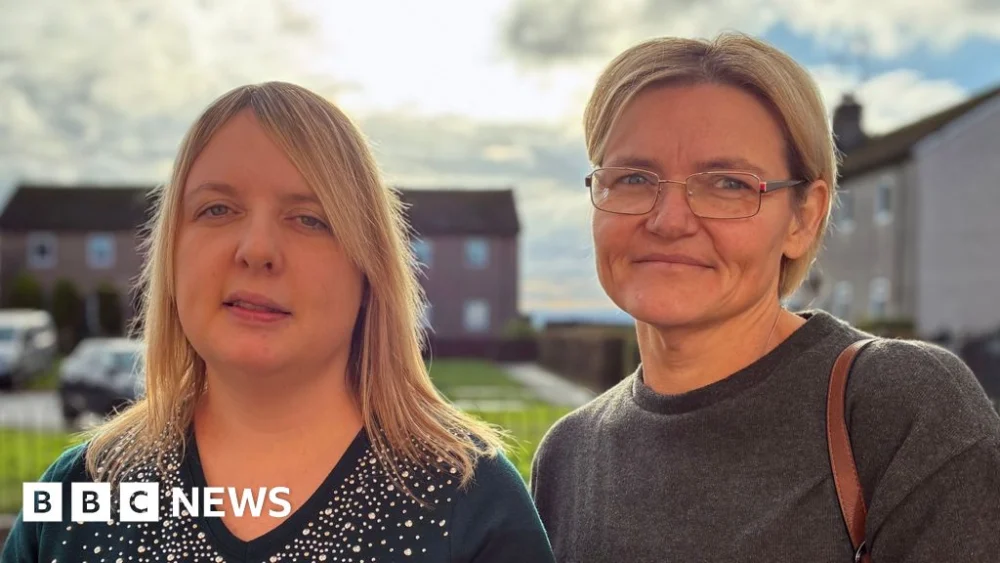
Calum Watson, BBC Scotland and Lisa Summers, Scotland health correspondent
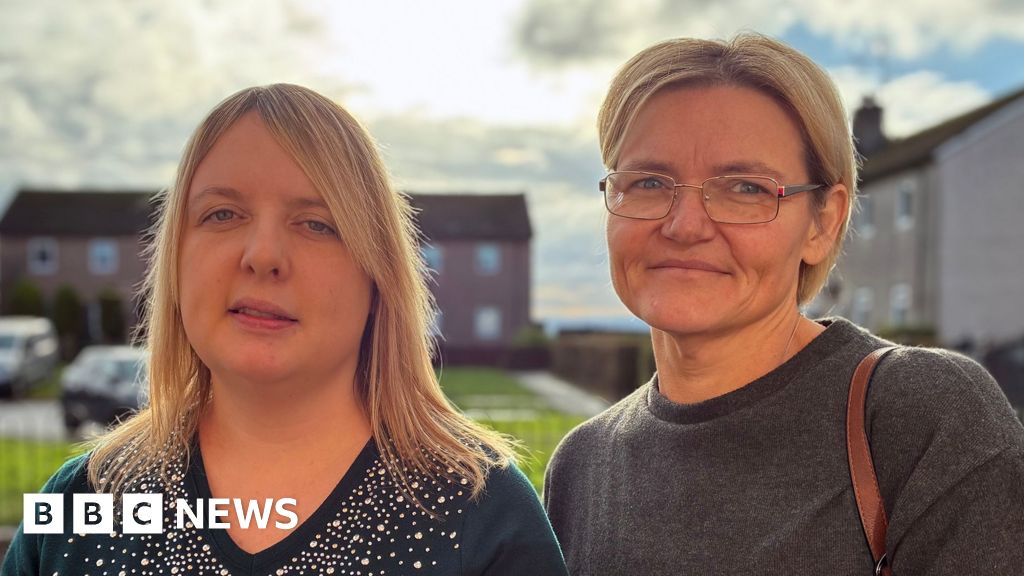
For years, they felt stonewalled, lied to, and gaslit. Now, they are incandescent with rage. Karen Stirrat and Charmaine Lacock are mothers whose children, they allege, were exposed to life-threatening infections while undergoing cancer treatment at Glasgow’s flagship "super hospital." They were among the very first parents to articulate profound fears that inherent flaws in the very construction of the buildings themselves were compromising patient safety. Dozens of vulnerable children, like theirs, battling cancer or blood disorders, saw their health deteriorate further during their stays at the Queen Elizabeth University Hospital (QEUH) campus. Tragically, some of these children did not survive. Yet, for an extended period, the very body responsible for the QEUH campus – NHS Greater Glasgow and Clyde – steadfastly refused to acknowledge evidence suggesting that the hospital’s water and ventilation systems could be implicated in these devastating infections. "From the very beginning, we campaigned tirelessly, alongside other families, and we were actively discredited for it," Karen recounts with evident pain. "We knew the truth, but we were relentlessly told we were merely imagining things."
A seismic shift occurred just a week ago when NHS Greater Glasgow and Clyde performed a truly jaw-dropping U-turn. The health board, analogous to an NHS Trust in other parts of the UK, has now conceded that, on the "balance of probabilities," the hospital environment, particularly its intricate water system, was indeed a contributing factor to some of the infections. In its closing submission to a protracted public inquiry, the board also admitted to several critical oversights. These belated admissions, which starkly contradict some of the positions the health board had maintained throughout the six-year inquiry, have been met with a mixture of relief and profound frustration. For many parents, the slow pace of acknowledgment borders on the infuriable. "For them to now backtrack… it is simply too little, too late," Karen states, her voice trembling with emotion. "This is a day of sheer and utter anger at the fact it has taken so long to reach this point."
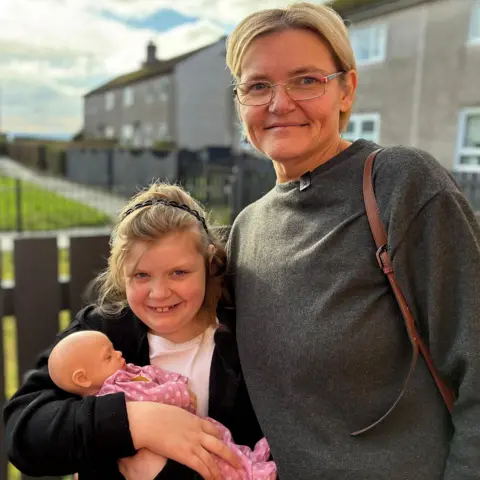
Charmaine Lacock’s daughter, Paige, was a mere three years old when she contracted a "life-threatening" infection in early 2019, while undergoing vital cancer treatment. The moment doctors delivered this devastating news, Charmaine describes feeling as though her little girl had already been placed in a coffin. "A hospital is supposed to be your sanctuary, a place of safety where you seek help," she says, her voice laced with lingering trauma. Paige ultimately recovered and is now thankfully cancer-free. However, Charmaine confesses that the experience has left her profoundly traumatised. "We live in constant fear that our children will relapse and have to return, and perhaps the second time, they won’t be as fortunate," she reveals. "I believe we are broken as parents, having had to endure this fight." She and Karen Stirrat also grapple with the heavy burden of "survivor’s guilt," a poignant ache that their children are alive when others, whose parents they have met and bonded with through years of shared campaigning, have tragically died.
Karen’s son, Caleb, is still undergoing treatment for the residual effects of a brain tumour diagnosed when he was just three years old. In 2019, he was forced to commence his treatment in the adult hospital due to the closure of cancer wards in the children’s hospital, itself a consequence of escalating infection risks. Karen recalls one of the earliest indicators that something was profoundly amiss: during a trip to the US for specialist proton therapy, American doctors expressed surprise at the potent antibiotic Caleb had been prescribed. Karen believes this was a precautionary measure, a reflection of the deep-seated concerns Glasgow’s doctors held about the risk of Caleb contracting an infection within their own hospital. Upon his return to the Queen Elizabeth University Hospital for continued treatment, Caleb was reinstituted on these antibiotics, yet no one would provide Karen with a clear explanation. She is quick to absolve the individual doctors and nurses of blame, asserting they were explicitly forbidden by management from informing parents about the systemic issues with the water system and the associated infection risks. "A doctor was weeping as she spoke to me, confessing she wished she could tell me, but management simply wouldn’t permit it. That is utterly unforgivable," she declares.
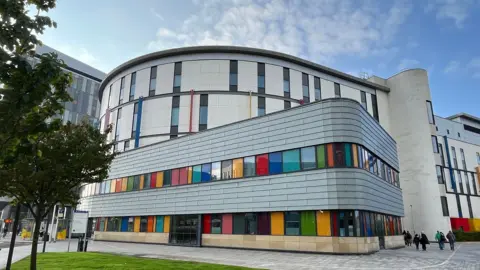
The impressive new hospital campus welcomed its inaugural patients in April 2015 and was officially inaugurated by Queen Elizabeth in the summer of that same year. At the time of its opening, it was lauded as one of the largest hospital complexes in Europe, boasting a construction cost exceeding £840 million. With a touch of dark Glaswegian humour, locals had already begun to dub it the "Death Star," a chilling reference to the Empire’s formidable space station in the Star Wars saga. Nevertheless, the building was initially presented as a beacon of advanced care and patient comfort, a stark contrast to the often-drab corridors of the Victorian-era facilities it was designed to replace. Adjacent to it, the Royal Hospital for Children, with its vibrantly coloured windows, was intended to be a reassuring and welcoming space for children and their anxious families. "It was a beautiful building from the outside, and equally impressive inside – it looked immaculate," Charmaine Lacock reminisces. "We never for a moment imagined that anything could go wrong within a hospital. We had just received this devastating diagnosis… we believed we were in the best possible place, and that they were going to heal us."
In reality, the hospital was plagued by issues from its very inception. Within weeks of its opening, reports emerged detailing significant difficulties during patient transfers and extended waiting times for admission. It is now understood that an estimated 200 contractors remained on-site at the time of the hospital’s opening, working feverishly to meet the deadline, while NHS facilities staff were overwhelmed by their workload as they attempted to rectify numerous faults. However, it would take several years for a far more disturbing narrative to surface: one of higher-than-anticipated infection rates and the tragic deaths of numerous patients attributed to hospital-acquired infections. In 2017, 10-year-old Milly Main, who was recovering well from a stem cell transplant at the children’s hospital, contracted a severe infection from an intravenous line used for administering medication. She developed sepsis and tragically passed away. Her mother, Kimberly Darroch, shared in a BBC Disclosure documentary that she had desperately hoped the stem cell treatment would offer her daughter a precious second chance at life. "Which it did, it worked – only for her to contract a line infection, which changed everything," she stated, her voice filled with profound sorrow. Milly’s parents subsequently came to suspect that the hospital’s water system was the source of the infection, but the health board consistently maintained that a definitive causal link could not be established. Even now, the board does not fully accept that the building’s structural faults were the direct cause of specific individual cases. Kimberly would later emerge as a powerful advocate for parents who felt systematically stonewalled and deliberately misled by the authorities.
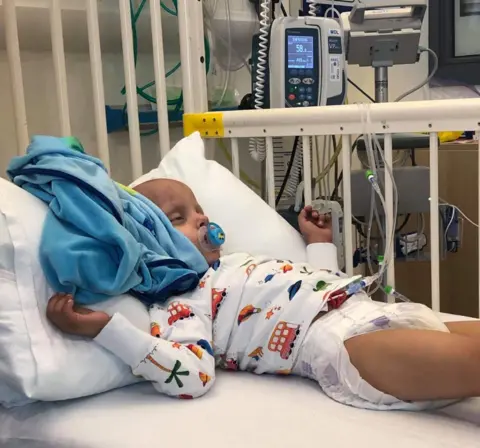
The year following Milly’s death witnessed a concerning cluster of infections. Elevated and unexpected levels of bacteria, capable of posing a significant threat to patients with compromised immune systems, were detected in the water supply within the children’s hospital. "The first thing that alerted me was seeing the notice posted about the sink, stating that it was for handwashing only," Charmaine recalls. "Then they started bringing in bottled water and instructed us not to use the tap water for brushing our teeth." Ultimately, most of the most vulnerable young patients were transferred to the adult hospital while investigations into the infections were conducted and remedial work was undertaken. During this period, the two mothers also observed other alarming structural defects – showers that consistently flooded, and blinds that refused to operate. Karen became so deeply concerned about the water quality that she began packing her own cutlery and water jug. In early 2019, another significant issue erupted into public view. It was revealed that a fungal infection, frequently associated with pigeon droppings, had been identified as a contributory factor in the death of a 10-year-old boy. Suspicion immediately fell upon the hospital’s ventilation system. Could a lack of adequate filters or problems with air pressure have permitted contaminated air to infiltrate areas where critically ill patients were being treated? A plant room located on the roof, near a ventilation intake and reportedly colonised by pigeons, was initially pinpointed as a probable source of the fungus, although a subsequent investigation cast doubt on this conclusion.
Although it now concedes that the water system likely contributed to some infections, Glasgow’s health board continues to express reservations about a direct link between infections and the ventilation system, even while acknowledging that it falls short of national specification standards. This nuanced stance offers little solace to the family of Gail Armstrong, who also succumbed to the same Cryptococcus infection as the young boy, just a few weeks later. While the 73-year-old had cancer, her family firmly believes that the fungal infection significantly accelerated her decline. Her daughter, Sandie, views the health board’s new, albeit qualified, admissions as adding "insult to injury." "It makes us feel even more distressed, more confused, and more angry because we feel they are merely attempting to mitigate the reputational damage," she stated. "They are not genuinely interested in coming forward and speaking to us openly and transparently."

By late 2019, the escalating scandal had become a subject of intense discussion within the Scottish Parliament. Anas Sarwar, who now leads the Scottish Labour Party, brought the case of Milly Main to the forefront, having obtained leaked reports that revealed experts had issued warnings about the safety of the water system even as the hospital was preparing to admit its first patients. Amidst mounting public concern, and following a delay in the opening of a separate hospital in Edinburgh due to ventilation issues, Scottish Health Secretary Jeane Freeman mandated a comprehensive public inquiry into the design, construction, commissioning, and ongoing maintenance of the hospital facilities. This inquiry, now nearing its conclusion after six arduous years, has heard testimony from 186 witnesses, collectively painting a grim picture of what some clinicians described as a "defensive" management culture within NHS Greater Glasgow and Clyde. One microbiologist, Dr. Teresa Inkster, testified that she felt actively discouraged from voicing her concerns at infection control meetings. Similarly, another microbiologist and senior doctor, Christine Peters, recounted being advised by a senior colleague to "pipe down" or risk facing professional repercussions. She had previously informed BBC News that she had been flagging concerns about the hospital buildings since 2014 and had been advised against putting her concerns in writing.
NHS Greater Glasgow and Clyde, now operating under a new chief executive, has acknowledged that its whistleblowing procedures were inadequate and has extended an apology to staff who felt their concerns were not "listened to." However, the board firmly denies any deliberate cover-up. While conceding that communication was suboptimal, it contends that its intention was to avoid unduly alarming patients before all the facts had been definitively established. The failings, the board argues, were systemic in nature rather than the fault of specific individuals who were operating under immense pressure while attempting to manage a situation that was not of their creation. This assertion incenses Karen Stirrat. She firmly believes that certain individuals actively sought to conceal the truth, and she feels this narrative allows them to evade accountability. "We had meticulously examined those buildings, we had the truth laid bare in black and white… If that’s not a clear act of saving one’s own skin, then I don’t know what is," she exclaims. Infection levels reportedly returned to normal by late 2020 following extensive remedial work on the water systems. While the ventilation system continues to fall short of national standards, the health board asserts that supplementary infection control measures ensure the hospitals on the site are now "wholly safe." However, legal representatives for the public inquiry, tasked with safeguarding the public interest, have challenged this assertion, suggesting that for certain highly vulnerable patients, under specific circumstances, a heightened risk might still persist.
The final report from the inquiry chairman, Lord Brodie, is anticipated to be published later this year, but the controversy has already had significant political repercussions. In heated exchanges within the Scottish Parliament, opposition leaders have demanded to know the source of the "pressure" to open the hospital prematurely. They have questioned whether the timing of the opening, mere days before a general election, was merely coincidental. First Minister John Swinney responded with an unequivocal "no" when directly asked if political pressure had been applied, and he stated that SNP ministers were not made aware of the problems with the water system until nearly three years later, in March 2018. For parents like Karen Stirrat and Charmaine Lacock, the focus has always been less on political machinations and more on finally receiving the answers to questions they have been relentlessly asking for years. They still have their children, and for them, this is a time of profound healing, both physically and psychologically. However, Charmaine still finds it immensely difficult to forgive those whom she believes actively sought to conceal the truth. "This has consumed our lives. This will haunt us forever."




 Nakalama John
 atisusanti
 Ramos Leo
