
 Roy Suryo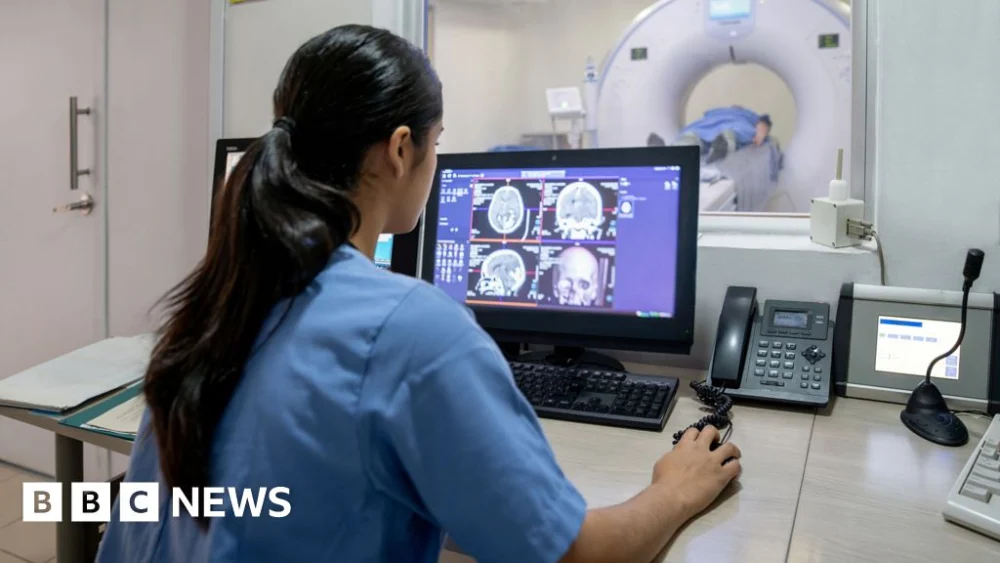
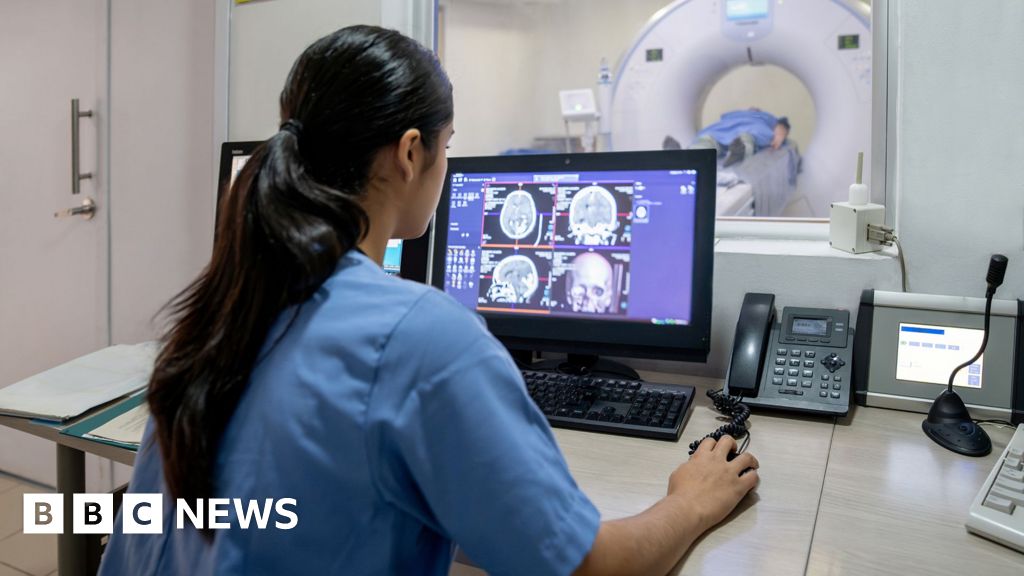
A groundbreaking large-scale UK study has revealed a significant link between menopause and the development of brain changes that bear a striking resemblance to those observed in Alzheimer’s disease. Researchers are postulating that the observed loss of grey matter in brain regions crucial for memory and emotional processing may partially explain why women are statistically at a higher risk of developing dementia compared to men. This compelling finding emerges from an extensive analysis of nearly 125,000 women, with a subset of 11,000 undergoing detailed MRI brain scans. The study, meticulously published in the esteemed journal Psychological Medicine, also noted that the use of hormone replacement therapy (HRT) did not appear to confer a protective effect against this grey matter reduction.
Professor Barbara Sahakian, a senior author of the study and a distinguished researcher from Cambridge University, elaborated on the implications of these findings. She stated, "The brain regions where we observed these distinct differences are precisely those that tend to be significantly affected by Alzheimer’s disease. Menopause, therefore, could potentially render these women more vulnerable to such neurodegenerative processes further down the line. While this is undoubtedly not the entire explanation, it may substantially contribute to understanding why we witness almost twice as many cases of dementia in women than in men."
The study identified specific areas of the brain where these menopausal-related changes were most pronounced. These included significant alterations in the hippocampus, a region critically involved in the formation of new memories and spatial navigation, and the amygdala, a key component of the limbic system responsible for processing emotions such as fear and pleasure. Additionally, changes were noted in the prefrontal cortex, which plays a vital role in complex cognitive behaviors, decision-making, and personality expression. The researchers also observed reductions in the volume of the cerebral cortex, the outermost layer of the brain responsible for higher-level cognitive functions like language, thought, and consciousness. Furthermore, the study highlighted alterations in the white matter integrity, which is composed of nerve fibers that connect different brain regions, impacting the efficiency of communication pathways. Conversely, a decrease in grey matter volume was also a significant finding, indicating a loss of neuronal cell bodies and dendrites in these critical areas.
Both white matter and grey matter are fundamental components of the brain and spinal cord, each serving distinct yet interconnected roles. Grey matter primarily comprises neuronal cell bodies and their dendrites – the short, branching extensions that facilitate communication with neighboring neurons. This is where information processing and computation largely occur. White matter, on the other hand, is composed of the long axons of neurons, which are essentially insulated pathways that transmit nerve impulses to more distant regions of the brain and spinal cord. The integrity and volume of both are essential for optimal brain function.
The study’s findings underscore a critical need for greater awareness and proactive management of menopausal symptoms, particularly concerning their potential long-term neurological impact. Current guidelines from the NHS suggest that HRT can be a valuable treatment option for alleviating common menopausal symptoms such as disruptive sleep patterns and debilitating hot flushes. However, the researchers emphasize that the understanding of how menopause and HRT use specifically influence brain health, cognitive function, and mood remains an area requiring further in-depth investigation.
Intriguingly, the study observed a correlation where women undergoing HRT were found to be more likely to report experiencing poorer mental health. However, a crucial caveat to this observation is that a significant proportion of these women already had pre-existing poorer mental health conditions prior to being prescribed HRT. This suggests that the medication might not be the sole or primary cause of their mental health challenges, but rather that women experiencing significant menopausal symptoms may also be more prone to other health issues.
Dr. Christelle Langley, a co-researcher on the study, highlighted the importance of acknowledging the diverse range of struggles that women can encounter during menopause. She stated, "It is imperative that we all become more attuned not only to the physical manifestations of menopause but also to the mental well-being of women during this transitional period. There should be absolutely no sense of embarrassment in sharing one’s experiences with others and in actively seeking the necessary support." This call for open communication and destigmatization is vital for ensuring women receive comprehensive care.
Professor Channa Jayasena, a recognized expert in hormone-related conditions and affiliated with Imperial College London, commented on the ongoing debate surrounding the effects of HRT on brain health during menopause. He remarked, "The impact of HRT on brain health in menopause continues to be a subject of considerable debate, and older clinical trials, such as the influential Women’s Health Initiative, have regrettably failed to definitively answer this complex question. Regardless of the precise role of HRT, this is a significant complication that affects millions of women in the UK, and as such, it warrants close and sustained attention in future research endeavors."
Michelle Dyson from the Alzheimer’s Society provided further context, noting that women constitute approximately two-thirds of individuals living with Alzheimer’s disease in the UK. She added, "While the precise reasons for this higher susceptibility in women compared to men are still not fully elucidated, it is widely believed that hormonal factors may play a significant role. This extensive study adds valuable weight to the growing body of evidence demonstrating how menopause can impact the brain, including observable physical changes such as a reduction in brain volume. However, without longitudinal studies that track participants over extended periods to determine if they subsequently develop dementia, we cannot definitively confirm that these menopause-associated brain changes directly increase the risk of developing dementia."
Dyson also emphasized the importance of lifestyle factors in mitigating dementia risk. She advised that adopting regular physical exercise, refraining from smoking, and moderating alcohol consumption are all proven strategies that can contribute to reducing an individual’s overall risk of developing dementia. These modifiable lifestyle choices empower individuals to take proactive steps towards brain health throughout their lives, irrespective of hormonal transitions. The study’s findings, while not establishing a direct causal link to dementia, strongly suggest that the biological shifts occurring during menopause warrant increased scientific scrutiny and public health awareness. This research paves the way for further investigations into potential interventions and support strategies to safeguard women’s long-term brain health.




 Nakalama John
 atisusanti
 Ramos Leo
