Roy Suryo
The relentless glow of artificial light, once a symbol of progress and safety, is now casting a long shadow over human health, raising critical questions about our relationship with the dark and the escalating issue of light pollution. This in-depth exploration, presented by neuroscientist Julia Ravey, delves into the burgeoning research linking our increasingly illuminated environments to a spectrum of health concerns, including the alarming association with Alzheimer’s disease.
Our towns and cities are bathed in an unprecedented level of artificial illumination, a phenomenon that is not merely cosmetic but is now being recognized as a significant pollutant with tangible impacts on our well-being. For millennia, the advent of new lighting technologies, from flickering flames to sophisticated LEDs, has been intrinsically tied to human advancement, enabling us to conquer the darkness and extend our working and social hours. However, this historical reliance on light may have inadvertently led to a collective desensitization to the absence of light, fostering an over-illuminated urban landscape.
Professor Nick Dunn, an expert in Urban Design at the University of Lancaster, offers a compelling historical perspective, examining the intertwined evolution of artificial light and human society. He investigates how our deeply ingrained, almost primal, feelings about the dark, and our historical drive to banish it, may have contributed to the current state of excessive urban illumination. This historical context is crucial for understanding why we have become so accustomed to a perpetually lit environment, often at the expense of natural rhythms.
Complementing this historical overview, Professor Russell Foster, a leading figure in Circadian Neuroscience at the University of Oxford, elucidates the profound biological consequences of our defiance of natural light-dark cycles. He explains how artificial light at night allows us to override our innate biological rhythms, disrupting the delicate balance that governs our sleep-wake cycles, hormone production, and cellular repair mechanisms. The health repercussions of this circadian disruption are becoming increasingly apparent, with a growing body of evidence suggesting links to a range of chronic conditions. The central question that emerges from this research is stark: could simply existing within our ever-brightening urban environments be subtly eroding our health, even in the absence of direct exposure to specific pollutants? Early studies are beginning to provide compelling, albeit preliminary, clues.
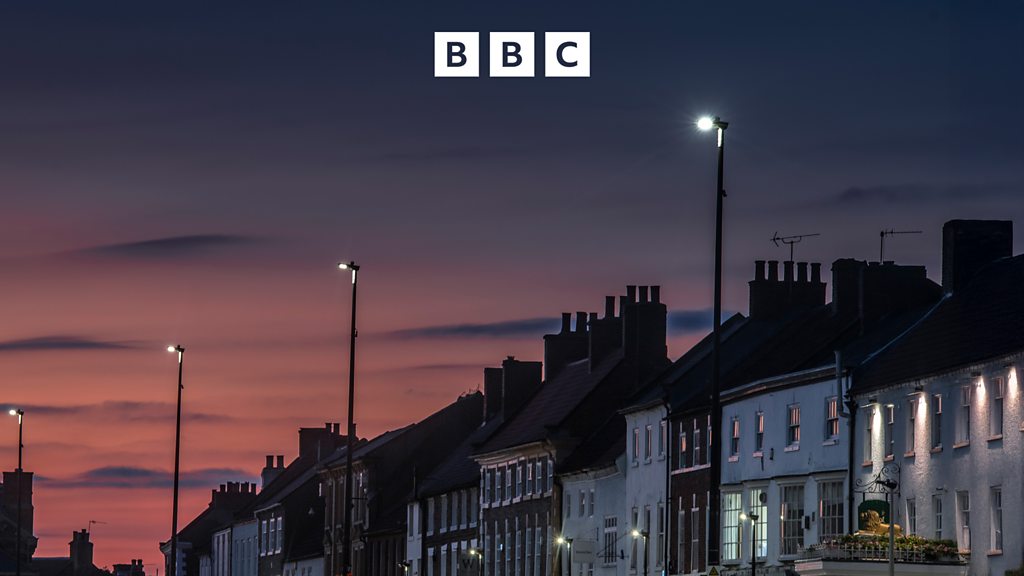
While the scientific community grapples with these complex questions and research continues to progress, the reality on the ground is that night-time light levels are persistently increasing. Yet, amidst this escalating trend, pockets of innovation and conscious effort are emerging, aiming to reverse this trajectory. In the picturesque town of Sedbergh, Julia Ravey encounters Janey and Jack, residents who are actively championing a more sustainable approach to illumination. They showcase newly installed "dark skies friendly" streetlamps, a testament to how thoughtful design can simultaneously reduce energy consumption and mitigate the pervasive issue of sky glow, preserving the natural darkness.
The initiative extends beyond individual communities, with institutions like York St John University embarking on ambitious projects to re-evaluate their lighting strategies. Julia joins a multidisciplinary team of academics, estate managers, and urban planning experts on a campus tour, exploring a comprehensive project focused on augmenting the university’s existing lighting infrastructure. The hope is that this pilot program will serve as a scalable template for York to achieve the prestigious designation of the UK’s first "dark skies friendly" city, setting a precedent for urban areas nationwide.
However, the crucial challenge lies in balancing the imperative to reduce light pollution with the deeply ingrained public perception of safety, particularly for vulnerable populations. Anna Barker, an Associate Professor in Criminal Justice and Criminology at the University of Leeds, sheds light on her research concerning the creation of safer urban parks for women and girls. Her work meticulously examines the multifaceted role that lighting plays in enhancing the accessibility and perceived safety of these public spaces, highlighting the nuanced approach required to reimagine urban illumination without compromising security. This research underscores the need for a holistic strategy that considers both the environmental and societal implications of our lighting choices.
The program, "Living and Light," is a production of BBC Audio West and Wales for BBC Radio 4, with Julia Ravey serving as both presenter and producer. The editorial direction was provided by Martin Smith, with invaluable assistance from Sam Nixon as Assistant Producer. The production coordination was managed by Elliott Prince, and the technical expertise of Jackie Margerum as Studio Manager ensured the seamless delivery of this insightful broadcast. The episode, lasting 28 minutes, is available for over a year on BBC Sounds, offering listeners a comprehensive and thought-provoking exploration of a critical contemporary issue. The associated Programme Website provides further details and resources for those seeking to delve deeper into the subject.