
 Nana Banana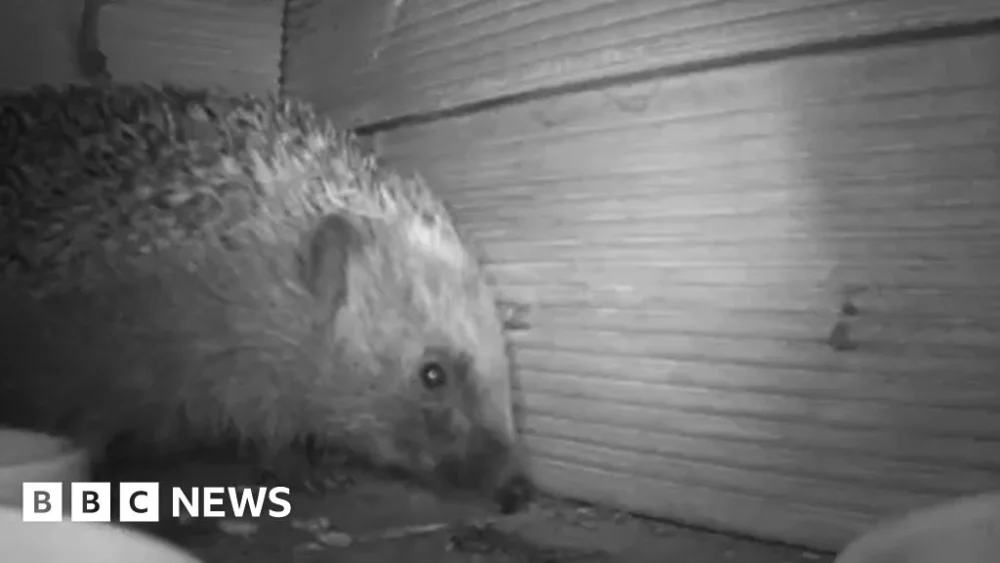
British gardens are emerging as increasingly vital sanctuaries for the nation’s beloved hedgehogs, a recent extensive study into the secret nocturnal lives of these spiny mammals has revealed. As their traditional rural habitats diminish and populations face alarming declines, the unassuming backyard has become a critical refuge, offering a glimmer of hope for the species’ survival.
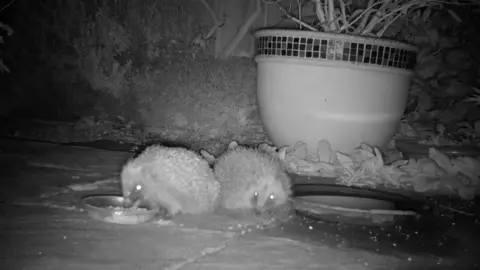
The groundbreaking research, one of the most comprehensive of its kind, involved equipping householders with wildlife cameras to discreetly observe hedgehog activity across more than 400 gardens in Chester. This innovative approach allowed scientists to capture an unprecedented glimpse into the behaviours, challenges, and preferences of hedgehogs as they navigate the suburban landscape under the cover of darkness. The findings underscore just how much our gardens truly matter to these charismatic creatures.
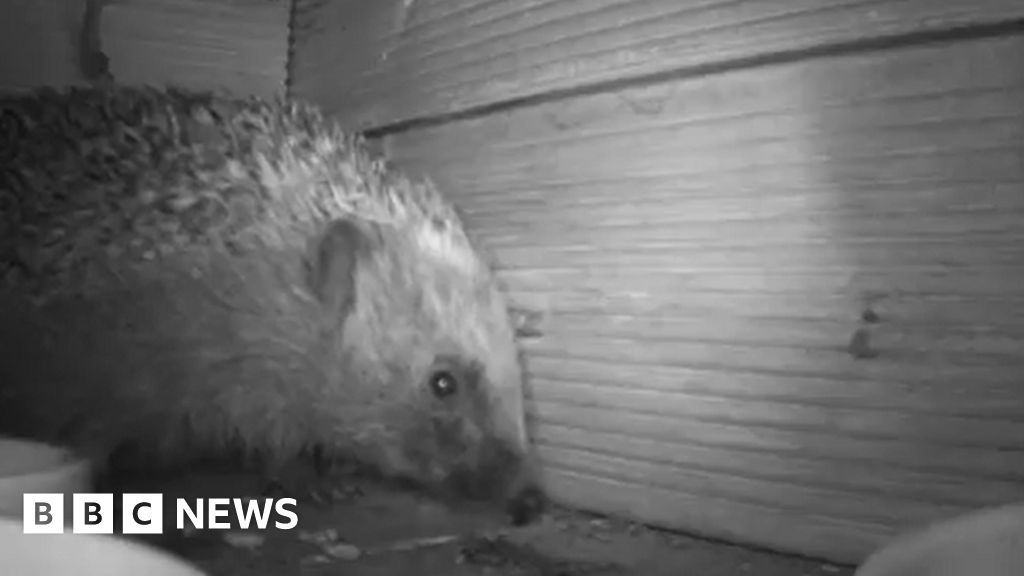
A significant discovery from the thousands of images and video clips collected was the widespread presence of hedgehogs; they were detected in over half of the gardens monitored. While the mere presence was encouraging, the study further identified a powerful attraction: food. Gardens offering supplementary food sources proved to be irresistible draws for the foraging mammals, highlighting a direct link between human intervention and hedgehog visitation rates. As hedgehog numbers continue their worrying downward trend across the UK, scientists believe these detailed insights into their night-time routines hold vital clues for crafting effective conservation strategies and ensuring the long-term survival of this iconic nocturnal species.
Hedgehogs are currently listed as vulnerable to extinction in the UK, a designation that reflects a drastic reduction in their populations. Since the year 2000, numbers have plummeted by an estimated 30% in urban areas and a staggering 50% in rural landscapes. This severe decline is attributed to a complex web of factors, primarily habitat loss, the intensification of farming practices, and unfortunately, a significant number of road deaths. Modern agricultural methods often remove hedgerows and natural boundaries, eliminating foraging grounds and safe corridors for hedgehogs. The widespread use of pesticides reduces their primary invertebrate food sources, while increasingly busy roads pose an insurmountable barrier and fatal threat to these slow-moving creatures.
Lead researcher Kelly Hitchcock, a collaboration between Nottingham Trent University and Chester Zoo, emphasized the profound shift in hedgehog ecology. "The pattern that we’ve seen is that hedgehog populations in rural areas have declined significantly – gardens seem like a really important habitat," Hitchcock explained. "So, it’s really important that people are aware of that." Her statement underscores a critical paradigm shift: what were once secondary habitats are now becoming primary strongholds for the species, making individual garden management decisions more impactful than ever.
The research team meticulously analyzed thousands of images and video sequences from the 415 participating gardens, correlating hedgehog detections with specific garden characteristics. Beyond the undeniable allure of food, the study aimed to identify which other features most influenced hedgehogs to stop by and spend time. While food emerged as the single biggest factor, experts stressed that providing a range of wildlife-friendly features is equally essential. Hedgehogs, in their natural lifecycle, require safe spaces not only for foraging but also for hibernation during colder months and for raising their young. The increasing scarcity of these natural nesting and breeding sites in the wider countryside makes gardens indispensable.
Key recommendations for creating hedgehog-friendly gardens include cultivating patches of wildflowers and native plants, which not only provide shelter but also attract the insects that form a crucial part of a hedgehog’s diet. Leaving areas of leaf litter and constructing log piles offer vital hibernation spots and breeding dens, protecting hedgehogs from predators and harsh weather. Crucially, the researchers advocate for creating "hedgehog highways" – small holes, roughly CD-sized, at the base of garden fences. These allow hedgehogs to roam freely between properties, essential for finding mates, diverse food sources, and suitable nesting sites across larger territories, overcoming the fragmentation caused by modern garden boundaries.
Regarding supplementary feeding, Hitchcock urged caution and mindfulness. "It’s not that we want to say everybody feed hedgehogs because we don’t know the long-term impacts," she noted. While providing food can attract hedgehogs, there are considerations. Over-reliance on human-provided food can potentially lead to dependency, reduce natural foraging behaviors, and in some cases, encourage larger groups of hedgehogs to congregate, which could facilitate the spread of diseases. If individuals choose to feed hedgehogs, it is paramount to use appropriate food, such as specialist hedgehog food or plain cat biscuits (never milk or bread), and to practice stringent hygiene to prevent the buildup of bacteria and pathogens around feeding stations.
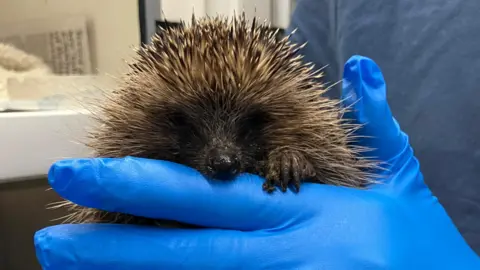
The study’s findings arrive at a time when hedgehog rescue charities across the UK are witnessing an alarming increase in the number of animals needing help. As natural habitats disappear and challenges mount, more hedgehogs are found injured, sick, or disoriented. Sarah Liney of the Hedgehog Helpline, a charity based in South Wales, highlighted critical warning signs for the public. "Any hedgehog out in the day is a cause for concern," she advised, explaining that hedgehogs are strictly nocturnal. Additionally, any hedgehog observed limping, visibly injured, or lethargic requires immediate attention. These charities play a crucial role in rehabilitating sick and injured hedgehogs, with the ultimate goal of releasing them back into suitable wild environments. Liney articulated the profound impact of their work: "If we can release a healthy hedgehog back into the wild, to be the hedgehog it is supposed to be, and it can produce or help to produce more litters then at least that is going to help with the hedgehog population to continue for years to come within our country."
Conservation biologist Dr. Rebecca Thomas of Royal Holloway, University of London, who was not directly involved in this particular study, reinforced the growing consensus on the importance of gardens. "The best thing people can do for hedgehogs in gardens is to create wild spaces for them – areas where they can over-winter, mate, live happily, and hopefully we can keep the populations going in these suburban environments," she asserted. Her words echo the sentiment that a collective effort, transforming individual plots into a network of connected wildlife havens, is crucial. Dr. Thomas also reiterated the importance of responsible feeding, advocating for suitable food options like cat biscuits and emphasizing rigorous hygiene protocols. She explained, "In the wild, hedgehogs wouldn’t come together too much… and obviously hedgehogs don’t need anything else affecting their populations through the spread of disease." This highlights the delicate balance between helping and potentially harming through well-intentioned but misinformed actions.
The comprehensive research, published in the esteemed journal Urban Ecosystems, provides invaluable scientific evidence to support ongoing conservation efforts. It serves as a powerful call to action for homeowners, urging them to recognize the profound impact their gardens can have on the future of British hedgehogs. By creating interconnected, wildlife-rich spaces and practicing responsible stewardship, individuals can contribute significantly to reversing the decline of these enchanting creatures, ensuring that their secret nocturnal lives continue to enrich our landscapes for generations to come. The hidden cameras have not only revealed what hedgehogs get up to after dark but have also illuminated the critical role humans play in their survival.



 Roy Suryo

 Nakalama John
 atisusanti
 Ramos Leo
