
 Nana Banana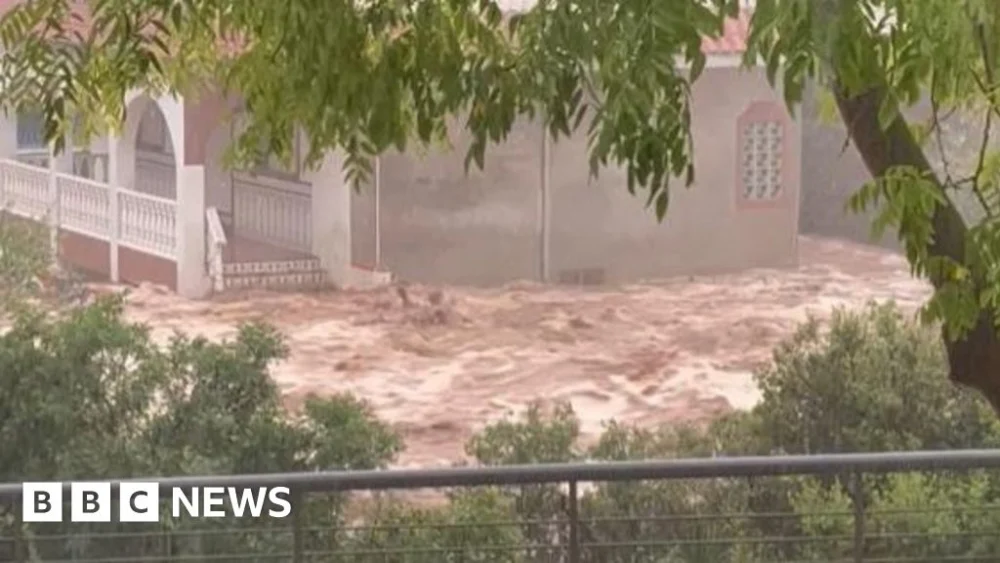
Visual evidence circulating widely on social media platforms painted a stark picture of the unfolding disaster. Videos, shared by stunned residents and bystanders, depicted terrifying torrents of muddy water surging through the streets of several towns, most notably La Ràpita and Santa Bàrbara, both located within the hard-hit Tarragona province. These powerful currents, described by witnesses as resembling rivers, swept away everything in their path – from parked cars and street furniture to debris from homes and businesses, illustrating the sheer force of nature’s assault. The visual impact underscored the immediate threat to life and property, highlighting the desperate situation faced by those caught in the sudden deluge.
In response to the unprecedented severity of the rainfall and the ensuing flooding, Spain’s national weather agency, AEMET, swiftly elevated the alert level to its highest classification: red. This critical warning was specifically issued for the entire coastal province of Tarragona, signifying an extreme risk and the potential for widespread, life-threatening impacts. A red alert mandates immediate action from both authorities and the public, urging maximum caution and preparedness for severe weather conditions. Despite the perilous circumstances and the widespread disruption, a glimmer of relief emerged as initial reports indicated no fatalities or serious injuries had been confirmed, a testament perhaps to the rapid response and the early warnings issued.
Catalonia’s Civil Protection agency moved quickly to issue urgent directives to residents, particularly those residing in the vulnerable Ebro Delta area of Tarragona. The agency strongly advised people to remain indoors, seeking shelter and avoiding any unnecessary travel. This directive was reinforced by AEMET’s dire forecast, which predicted an astonishing 180mm (approximately 7 inches) of rain could fall within a mere 12-hour period in the already saturated region. Such a volume of rainfall in such a short timeframe is exceptional and far exceeds the capacity of urban drainage systems and natural waterways, inevitably leading to widespread flooding. The Ebro Delta, a low-lying and agriculturally rich area, is particularly susceptible to inundation, posing a significant threat to its delicate ecosystem and farming communities.
"The situation is complicated, and more rain is forecast," Cristina Vicente, a senior official at Catalonia’s Civil Protection agency, was quoted as saying by the prominent Spanish newspaper La Vanguardia. Her words underscored the ongoing challenges faced by emergency responders and the apprehension surrounding the continuous meteorological threat. The complexity of the situation stemmed not only from the immediate need to rescue trapped individuals and manage existing floodwaters but also from the uncertainty of further rainfall. Emergency services, including fire brigades, police, and civil protection units, were stretched thin, coordinating efforts to reach affected areas, conduct rescues, and provide assistance to those whose homes or businesses were threatened. The primary focus remained on ensuring public safety and preventing any loss of life, even as the waters continued to rise in many localities.
The widespread disruption caused by the severe weather extended significantly to critical transportation networks. Train departures from two major Spanish cities, Barcelona in Catalonia and Valencia in the neighbouring Valencia region, were indefinitely suspended. This suspension impacted services along the crucial Mediterranean Corridor, a vital artery connecting Spain’s eastern coast. Thousands of passengers faced cancellations and delays, highlighting the far-reaching consequences of the floods on regional and national connectivity. Commuters and long-distance travellers alike were left scrambling for alternative arrangements, further compounding the sense of disarray. Beyond rail, numerous roads and highways in the affected areas were rendered impassable, either submerged under water or blocked by debris, effectively isolating several communities and hampering rescue efforts.
The impact of the relentless downpours was not confined solely to Catalonia. Several other regions across south-eastern Spain, including the picturesque Balearic Islands, had also been battered by heavy rains and destructive flooding in the days preceding the Catalan disaster. This broader pattern of extreme weather underscored a larger meteorological phenomenon affecting the western Mediterranean basin. Infrastructure, from rural roads to urban drainage systems, has shown vulnerability to these increasingly frequent and intense weather events, leading to significant economic losses and prolonged recovery periods for the affected communities. Power outages were also reported in various areas, plunging homes and businesses into darkness and further complicating emergency communications.
The root cause of this severe meteorological onslaught was identified as Storm Alice, a powerful weather system that had been churning in the western Mediterranean. Storm Alice, characterized by its intense low-pressure system, drew in vast quantities of moisture, which, when encountering the mountainous terrain of eastern Spain, was forced upwards, condensing rapidly into torrential rain. These types of atmospheric depressions, often referred to as DANAs (Depresión Aislada en Niveles Altos, or isolated depressions at high levels), are notorious for their localized intensity and unpredictable nature, frequently leading to flash floods, especially in the autumn months. The Mediterranean climate, while generally dry and hot in summer, is prone to such violent downpours during the transitional seasons, but their increasing frequency and intensity raise concerns about the impacts of climate change.
Rescue operations were immediately activated across the affected zones, with a particular emphasis on liberating individuals trapped in their vehicles. Firefighters, equipped with specialized rescue gear and inflatable boats, navigated treacherous floodwaters, often in pitch darkness, to reach stranded motorists. These harrowing rescues required immense bravery and precision, as vehicles were often partially submerged or swept off roads, posing a grave danger to occupants. In many instances, emergency personnel had to contend with fast-moving currents and debris-laden waters, making every extraction a complex and risky endeavor. The focus remained squarely on preventing any casualties, and the fact that no serious injuries were reported so far was a testament to the swift and coordinated efforts of the emergency services.
Beyond the immediate danger, the floods left a trail of devastation for residents. Homes were inundated, their ground floors filled with muddy water, destroying furniture, appliances, and cherished possessions. Businesses, particularly those in the lower-lying areas of La Ràpita and Santa Bàrbara, suffered extensive damage, with stock ruined and premises requiring significant cleanup and repair. The emotional toll on those who witnessed their properties being engulfed by the waters was immense, adding a layer of psychological distress to the physical destruction. Many families faced the daunting prospect of displacement and the long, arduous process of rebuilding their lives.
The economic repercussions of such widespread flooding are substantial. In addition to the direct damage to infrastructure, homes, and businesses, the agricultural sector, particularly in the fertile Ebro Delta, faced potential ruin. Crops, including rice and various vegetables, which are staples of the region’s economy, were submerged, leading to significant losses for farmers. The disruption to tourism, a vital industry for coastal Catalonia, also presented a blow, as news of the floods could deter visitors even after the immediate crisis subsided. The long-term recovery will require significant financial investment and support from both regional and national governments.
Looking ahead, the immediate priority for authorities remains monitoring weather patterns for any further rainfall and coordinating cleanup efforts once the waters recede. Damage assessments will be crucial in determining the full extent of the destruction and allocating resources for reconstruction. Discussions will inevitably turn to strategies for improving resilience against future extreme weather events, including enhancing drainage systems, enforcing stricter building codes in flood-prone areas, and developing more robust early warning systems. The increasing frequency and intensity of such meteorological phenomena serve as a stark reminder of the urgent need for comprehensive climate adaptation and mitigation measures across the Mediterranean region.



 Roy Suryo

 Nakalama John
 atisusanti
 Ramos Leo
