Nakalama John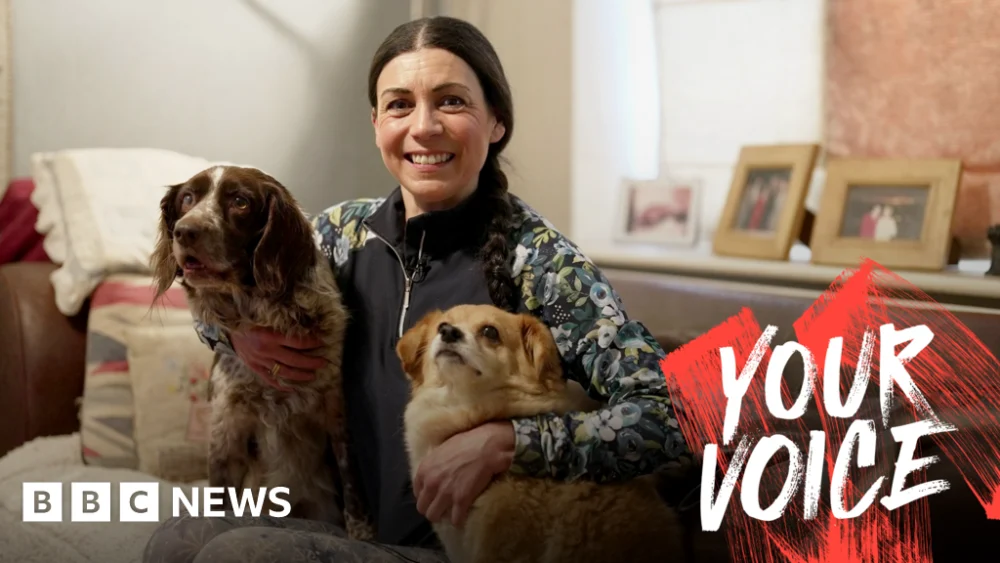
Helene, a Manchester resident, recounted the distressing events surrounding Rowan’s health. Last summer, while away in Suffolk, Rowan suffered an emergency that required immediate veterinary attention. This incident, being the second treatment for Rowan that year, quickly pushed Helene past her insurance coverage. To compound her distress, she expressed dissatisfaction with the procedure Rowan received during this emergency, yet found her subsequent complaint uninvestigated and unresolved. This lack of accountability in the veterinary profession, she felt, stood in stark contrast to the robust complaints procedures she was familiar with as a doctor in human medicine.
The situation escalated dramatically when Rowan was diagnosed with cancer in October 2023 (an assumed correction from the original article’s "2025," given the context of Rowan’s recent passing). Faced with the heart-wrenching prospect of her cherished pet suffering, Helene made the difficult decision to take out a £10,000 loan to ensure Rowan received every possible treatment. “I didn’t want him to go without anything,” she explained, highlighting the immense emotional bond many owners share with their pets. Tragically, Rowan passed away last month, leaving Helene not only grieving but also grappling with significant debt and a profound sense of injustice regarding the veterinary care system.
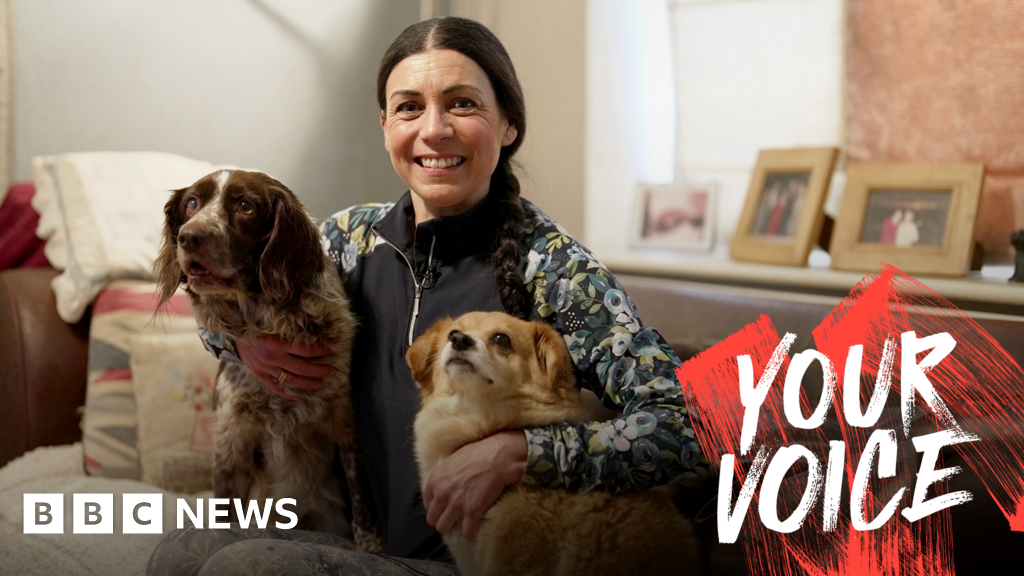
"As a doctor, it’s shocking because we have a very good complaints procedure," Helene told the BBC, articulating her frustration. "Our pets are family, my life revolves around my pets, and to have awful treatment, and also not be able to complain and then the vet bill on top of that, it’s just appalling – it feels like a real kick in the teeth actually." She lamented the perceived absence of consumer rights protection when entrusting a pet to a vet, a sentiment echoed by countless pet owners across the country.
Helene’s story is far from isolated. Mounting concerns over escalating vet bills have prompted the Competition and Markets Authority (CMA) watchdog to launch a formal investigation. Their preliminary findings are alarming: vet prices have surged at nearly twice the rate of inflation, a trend that the CMA estimates could be costing UK households up to £1 billion over five years. A "File on 4" investigation in April last year already brought to light the skyrocketing costs, eliciting a flood of similar concerns from hundreds of pet owners to the BBC. The consequence, as noted by vets and animal charities, is increasingly dire: pet owners are being forced into agonizing choices, sometimes delaying crucial treatment or, in the most heartbreaking instances, opting for euthanasia due to unaffordable bills.
In response to these systemic issues, Defra’s proposed reforms aim to bring greater transparency, accountability, and competition to the veterinary market. These are the first major legislative changes in 60 years, reflecting a long-overdue recognition of the evolving landscape of pet ownership and veterinary medicine.
A cornerstone of the proposals is the requirement for veterinary practices to publish prices for common treatments. This would include routine services such as annual vaccinations, initial puppy or kitten vaccinations, microchipping, and neutering or spaying procedures for dogs and cats. The rationale behind this is to empower pet owners to "shop around" and choose the best value option, fostering a more competitive market. Currently, price information can be difficult to obtain, making informed decisions challenging for distressed owners.
Beyond price transparency, the reforms also mandate that all veterinary practices obtain an official operating licence. This measure is intended to drive up standards of care across the board, ensuring a baseline level of quality and safety for all animal patients. Furthermore, practices will be required to be transparent about pet owners’ treatment options and any changes, ensuring full disclosure and allowing owners to make informed decisions about their animals’ care.
Another significant proposal addresses the increasing corporatisation of the veterinary sector. The government notes that 60% of vet practices are now owned by non-vets, often large corporate groups. Under the new rules, practices would be required to disclose their ownership structure. This transparency, combined with clearer pricing, is expected to help owners decide which practice to use, thereby increasing competition and, hopefully, bringing down costs.
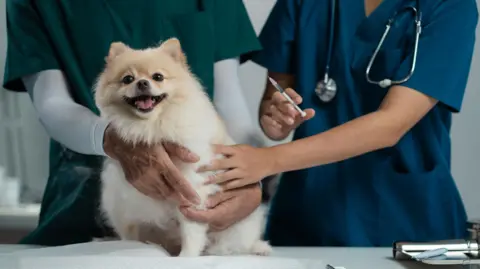
Additional proposals under consideration include streamlining the complaints process, ensuring pet owners have a clear and effective route to address grievances, unlike Helene’s experience. The eight-week public consultation on these proposals is currently underway, closing on 25 March, offering a crucial opportunity for pet owners, veterinary professionals, and stakeholders to contribute their views.
While broadly supportive of the proposals, the British Veterinary Association (BVA), representing 19,000 members, cautioned against expectations of dramatic price reductions. Dr. Rob Williams, President of the BVA, explained that it is "too simplistic" to believe legislative reform alone would "massively reduce the cost of veterinary care." He elaborated on the complex factors contributing to current costs: "There’s far too many factors at play. The cost of living is something that affects vet practices. It is very expensive to deliver the care." Dr. Williams highlighted the advancements in veterinary medicine, noting, "As a profession, we can do an awful lot more today than we could do even 10 years ago. We have a much better understanding of diagnostics and treatment options… and quite rightly in my view the animal-owning public have a much higher expectation of my profession and what we can deliver in terms of the care we provide for their animals. So all of those things together account for why the cost is the cost." He concluded that while the reforms would enhance transparency and competition, they are "very unlikely to dramatically alter the cost of veterinary care."
Dr. Christine Middlemiss, the UK Chief Veterinary Officer, underscored another vital aspect of the proposed changes: the shift from regulating individual veterinary surgeons to regulating entire veterinary businesses. This broader scope is expected to bring consistency and accountability across practices. Moreover, the reforms would broaden the availability of services by bringing veterinary nurses under direct regulation. This would enable them to undertake certain standard procedures independently, whereas currently, they must perform "everything under the supervision of a veterinary surgeon," potentially freeing up vets for more complex cases and increasing efficiency.
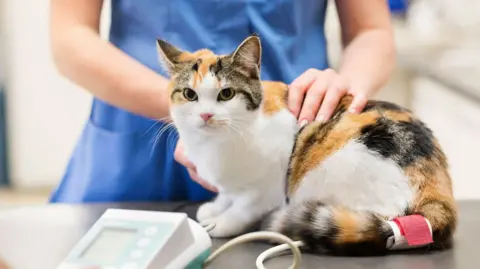
Martin Coleman, chair of the CMA Inquiry Group, welcomed the consultation, reiterating the watchdog’s concerns. "Our vets investigation is ongoing, but we have already set out our strong concern that the current rules are not fit for purpose and need reforming to keep pace with commercial practice and further build pet owner trust in veterinary businesses," he stated.
The reforms aim to address a market that has become increasingly complex and opaque, leaving pet owners like Helene Svinos feeling vulnerable and without adequate recourse. While the debate continues on the ultimate impact on costs, the consensus is that greater transparency and robust regulation are essential steps toward ensuring fair treatment for both pets and their devoted owners in the UK.
Additional reporting by Kris Bramwell



 George Anjay
 Ramos Leo
 Nana Banana