Nana Banana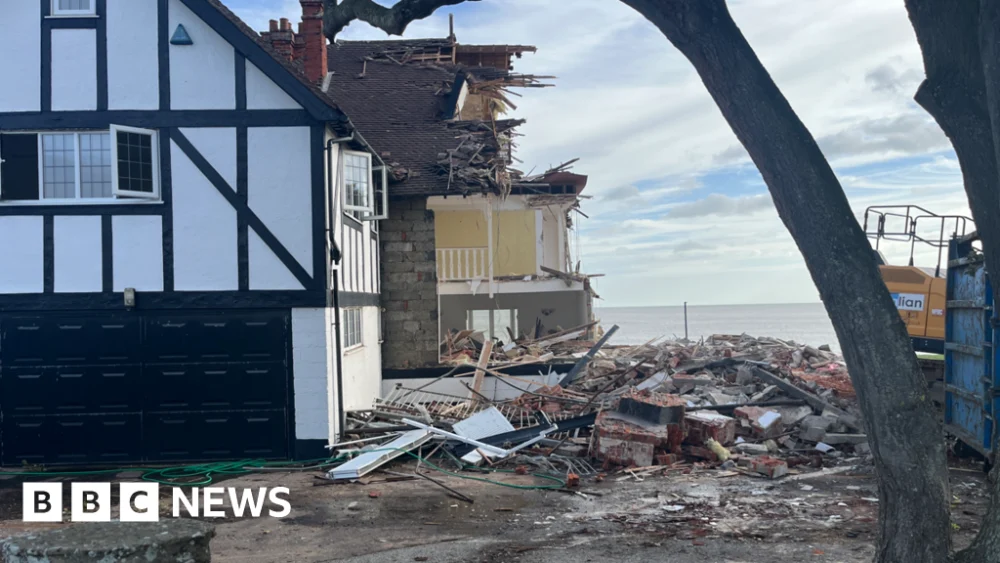
Mark Packard, the cabinet member for planning and coastal management and a Liberal Democrat councillor, articulated the profound impact of the situation on local residents. He stated that the financial burden of demolition costs had been a "grave concern" for those affected, and that the council had "always sought to provide reassurance" during such an incredibly trying period. "Property owners are suffering a genuinely devastating experience," Packard explained, his words reflecting the empathy of the local authority. He further emphasized the continuous efforts of the council’s teams, who have been "working closely with those affected throughout" this unfolding crisis. The recent acceleration of coastal retreat has been particularly alarming, prompting an immediate and decisive response from the council. "The erosion in recent weeks has occurred at such an unprecedented rate that a decision has been taken to immediately ensure costs are covered in the short term," Packard revealed. He acknowledged the profound personal tragedy faced by property owners, but highlighted the council’s ability to alleviate "one of the most worrying elements of this upsetting situation" by covering the demolition expenses.
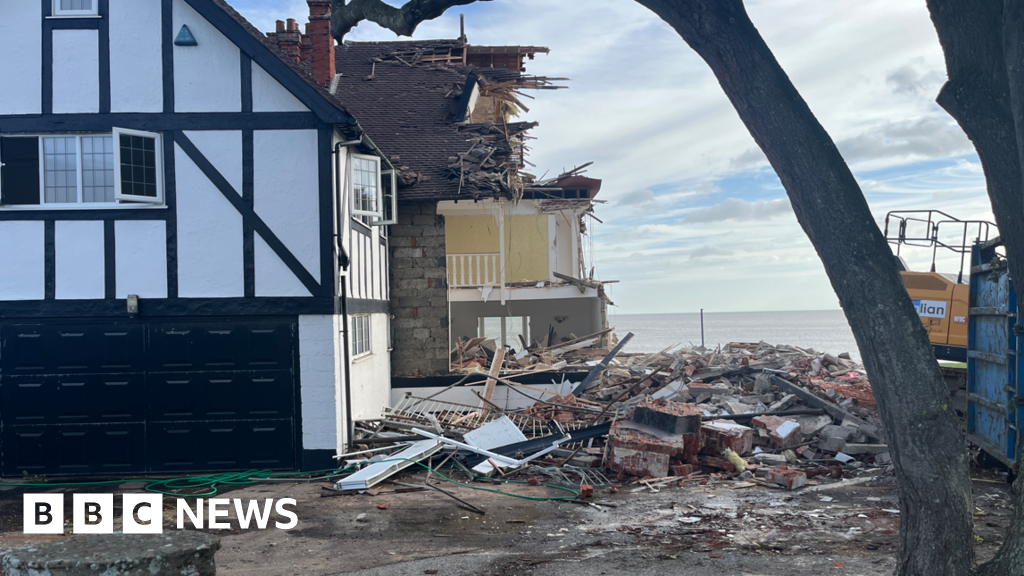
The council’s decision to dip into its reserves to fund these demolitions, despite having no statutory obligation to do so, highlights the severity of the crisis and the local authority’s commitment to its residents. This proactive approach aims to prevent homeowners from facing an additional financial catastrophe on top of losing their most valuable asset. The "Warren," a prominent property in Thorpeness, serves as a stark example of the irreversible changes taking place. This home was dramatically torn down in October, its partial demolition captured in poignant imagery, symbolizing the battle against nature that homeowners and the council are losing. The wreckage left behind, with the sea as its backdrop, stands as a testament to the powerful forces at play along this exposed stretch of coast.
Initially, East Suffolk Council held a degree of optimism that the erosion might stabilize or even improve. However, a series of severe weather events at the start of the year proved devastating, leading to the rapid disappearance of significant portions of the coastline. These storms, characterized by high winds and powerful waves, gnawed away at the fragile cliffs, accelerating the rate of erosion far beyond previous predictions. This "unprecedented rate" forced a re-evaluation of the immediate strategy, shifting the focus from hopeful resilience to urgent, managed retreat. The long-term impact of climate change, including rising sea levels and more frequent intense storms, is widely understood to be exacerbating these natural processes, making areas like Thorpeness increasingly vulnerable.
Over the past year, the local authority has already invested a substantial £750,000 in maintaining existing sea defences along its extensive coastline. These efforts, which often involve replenishing beaches with sand or reinforcing existing barriers, are a constant and costly battle against the relentless power of the North Sea. Despite these significant expenditures, the council has regretfully concluded that there is "nothing else that can be done in the immediate future" to halt the advance of the sea in the most critically affected areas of Thorpeness. This stark admission underscores the limitations of engineering solutions against the overwhelming forces of nature, particularly when the rate of erosion is so aggressive. The focus has therefore shifted from defence to mitigation, ensuring the safety of residents and preventing environmental hazards from collapsing structures.
The human toll of this coastal retreat is immense. Four homes have been tragically torn down this winter alone, adding to the one property demolished in 2022. For the families involved, these are not just structures but homes filled with memories, often representing their life savings. The process of watching one’s home succumb to the sea, followed by the difficult decision to initiate its demolition, is an emotionally shattering experience. Beyond the immediate loss, residents face the daunting prospect of finding new accommodation, often having lost significant equity in their properties, as coastal properties at risk of erosion are notoriously difficult to insure or sell. Adding to the urgency and anxiety within the community, a further nine properties have been identified as being at imminent risk of collapse, placing more families in an agonizing state of uncertainty and fear.
The situation in Thorpeness is not isolated, but rather a poignant example of a broader national challenge faced by many coastal communities around the UK. As sea levels rise and storm intensities increase, the question of who bears the cost of adapting to, or retreating from, the changing coastline becomes increasingly pressing. While East Suffolk Council’s commitment to funding demolitions provides a critical safety net for those directly affected, it also raises questions about long-term strategies, sustainable funding models, and the role of national government in supporting such vulnerable areas. For Thorpeness, a village known for its distinctive architecture and tranquil charm, the battle against the sea continues, and while the council’s financial support offers a glimmer of hope, the wider implications for its future remain a subject of ongoing concern and urgent discussion.



 Roy Suryo

 Nakalama John
 atisusanti
 Ramos Leo