
 Nakalama John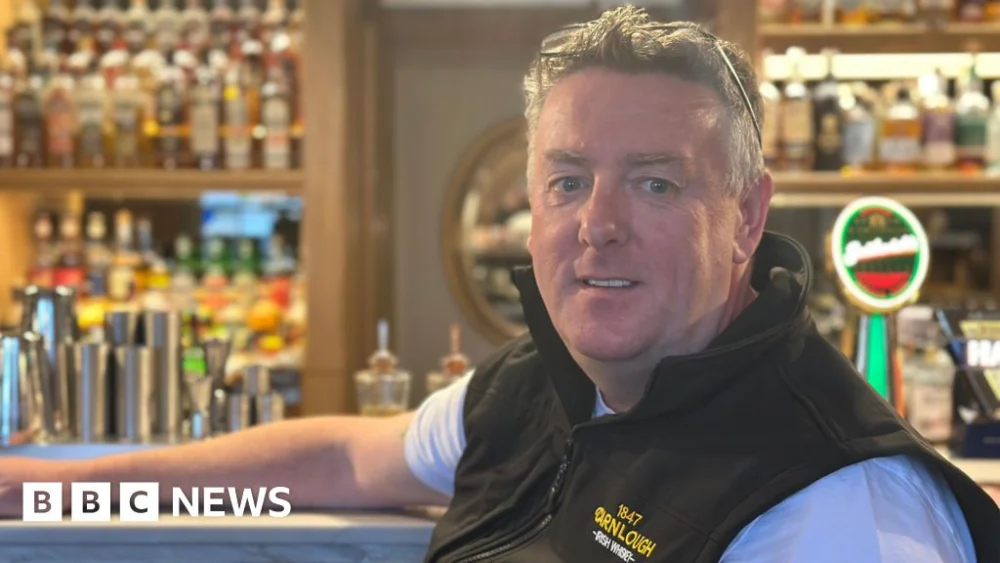
The genesis of these potentially crippling rate hikes lies in an extensive revaluation exercise dubbed ‘Reval 2026’, undertaken by Stormont’s Land and Property Services (LPS). This comprehensive assessment saw over 75,000 non-domestic properties across Northern Ireland re-evaluated to establish new property valuations, which in turn form the basis for calculating annual business rates. These rates are a crucial source of funding for essential public services, but the updated figures have delivered a shockwave through the hospitality sector. The draft revaluations, which will dictate rates bills from April 1st, reveal a staggering 85% increase in the total value of hotels, while pubs face a substantial 47% rise. Sharon Gallagher, chief executive of LPS, defended the process before a Stormont committee, stating that calculating rates bills is "not about winners and losers." She clarified that many pubs and hotels had previously benefited from temporary Covid allowances, introduced to reflect suppressed trading conditions during the pandemic. However, the removal of these allowances, she argued, was a "necessary part of restoring fairness and consistency" across LPS rates valuations, implying a return to pre-pandemic valuation norms, despite the continued economic headwinds. For businesses, however, the removal of these lifelines, coupled with rising operational costs, feels anything but fair.
The immediate fallout from these proposed increases has been a wave of despair and anger from business owners across the region. Adrian McLaughlin, the manager of Carnlough’s Harbour View Hotel in County Antrim, articulated the immense difficulty of absorbing such a significant rate bill increase. He explained that businesses typically manage rising costs through a combination of increased sales or stringent cost reductions. However, in the current climate, both avenues are increasingly challenging. "Additional sales are much harder to come by because of the continued squeeze on consumer spending and a reluctance for people to go out as often," McLaughlin noted. "And it’s much harder to cut costs in 2026. They’re much harder to come by because of National Insurance increases, utilities increases and the cost of goods. So, it’s becoming very, very, difficult for us to find the space to accommodate large, incremental increases like this." His concern is echoed across the sector, highlighting the erosion of profit margins that leaves little room for manoeuvre.
The scale of the increases is truly alarming for some of the larger operators. Colin Johnston, chief executive of the prestigious Galgorm Collection, revealed that the Galgorm resort’s rates bill is set to skyrocket from an already substantial £585,000 to almost £1.5m. "The increase is larger than the current bill itself," Johnston stated, visibly frustrated. "When you break that down, it’s around £66,000 a month extra that we will need to find. To expect anyone to deal with this in eight weeks’ time doesn’t work, so there needs to be transitional relief and then some of the businesses genuinely need looked at." His plea for transitional support and a re-evaluation of specific cases underscores the immediate financial shock and the impossibility of adjusting business models in such a short timeframe.
Canavan’s, a popular bar and restaurant in Ballygawley, County Tyrone, took to social media to vent its profound frustration, describing the situation as a "slap in the face." Their post vividly illustrated the potential impact on customers: "Your pint has increased in price by 92%. Your room for the night is now nearly double the price it was yesterday, for no apparent reason. You wouldn’t accept those price increases from us, but this is the hand which we have been dealt." They powerfully conveyed the unsustainable nature of such hikes for both businesses and their patrons, reiterating the dire reality that "post-Covid, many hospitality businesses are struggling to keep the lights on."
Gavin Bates, the owner of Ryan’s Bar in Belfast, articulated a similar sentiment, revealing that his establishment’s rates have gone up by £33,000 for the year. "It’s huge on our business, we haven’t budgeted for it," Bates explained. "We’ve got supplier pricing coming and we are already looking at putting a small increase on our drinks." This immediate ripple effect on pricing is a common thread, as businesses are forced to pass on costs to customers already facing their own cost-of-living pressures.
Sean McLaughlin, director of the Fullerton Arms and Guesthouse Inn in Ballintoy, conveyed his deep concern on BBC Radio Ulster’s Evening Extra programme. He emphasized the sheer hard work inherent in the hospitality sector, describing the revaluation as "a very unfair and inequitable process that has been put upon us at this stage." McLaughlin highlighted the delicate balance businesses must strike: "It’s not just as easy as raising the price. That’s the thing that we have to measure very difficulty every day, there’s a fine line between profitability, feasibility and what customers can and are willing to pay." He painted a bleak picture of changing consumer habits, noting, "We’ve seen a decrease in terms of people going out; they’re only going out now for more special occasions. People tell me they don’t have the money." This shift in consumer behaviour, coupled with rising operational costs and now increased rates, creates a perfect storm for many establishments.
Colin Neill, chief executive of the representative body Hospitality Ulster, did not mince words, warning that the measure would lead to the "ruination of the hospitality industry." His strong condemnation underscores the severity of the situation and the perceived existential threat to a sector that provides employment for thousands and contributes significantly to Northern Ireland’s tourism and social fabric. Neill’s alarm reflects a widespread fear that without immediate and decisive intervention, many businesses will simply not survive.
Politically, the issue has quickly ascended the agenda. First Minister Michelle O’Neill acknowledged the gravity of the situation, stating, "we need to work together to support our hospitality sector, in particular, to get through this period." She confirmed that Finance Minister John O’Dowd was scheduled to meet with sector representatives within days to "find a way forward that allows us to support local businesses." Previously, O’Dowd had defended the rates revaluation process as "fair and equitable," a stance now under intense scrutiny. O’Neill also mentioned that O’Dowd had already allocated "£10m in additional support for our small businesses to try to help them get through this period." However, for many in the industry, this figure is seen as a drop in the ocean compared to the magnitude of the rate increases and the broader challenges faced.
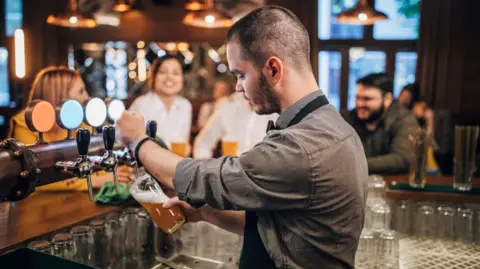
The urgency for more substantial action is amplified by measures announced to help pubs and music venues in England. Just one day before the Northern Ireland figures sparked outrage, the UK government announced that pubs and music venues in England would receive a 15% discount on their business rates bills from April, with no increases for two years. This stark disparity has fuelled a sense of injustice and a growing demand for parity in Northern Ireland. Democratic Unionist Party (DUP) assembly member Philip Brett highlighted this imbalance, stating it was "essential that any funding received by Stormont as a result of the bailout package for pubs in England is ring-fenced here for the same purpose." Such "Barnett consequentials" – additional funding allocated to devolved administrations as a result of increased spending in England – are seen as a vital mechanism to provide similar relief. Colin Neill of Hospitality Ulster reiterated his warning, declaring that the sector is "fighting for its life" and that "no action in response will be off the table" if Finance Minister O’Dowd fails to take meaningful action.
Ultimately, these rate increases threaten to significantly impact the everyday lives of Northern Ireland’s residents, particularly the price of a pint and the accessibility of local hospitality venues. Pearse Deeney, owner of The Bridge House in Park, County Londonderry, lamented the unavoidable necessity of raising prices, coming just months after a previous increase due to escalating drink supplier costs. He expressed concern about customer fatigue, stating, "It’s too expensive to go into a bar now, that’s just the way it is," and voiced his belief that people would be further deterred from going out for a drink. This sentiment resonates widely; if businesses are forced to pass on these substantial cost increases, the affordability of socialising will diminish, leading to reduced footfall, potential closures, and job losses. The traditional role of the pub as a community hub, a place for connection and relaxation, is under threat. A decline in the hospitality sector would not only impact local economies but also erode the vibrant social fabric that pubs and restaurants provide, potentially transforming Northern Ireland’s cultural landscape for years to come. The coming weeks will be critical as the sector awaits a definitive response from Stormont, hoping for a lifeline to navigate these treacherous waters and protect the future of the beloved Northern Ireland pint.

 George Anjay
 Ramos Leo
 Roy Suryo
 Nana Banana