
 Nakalama John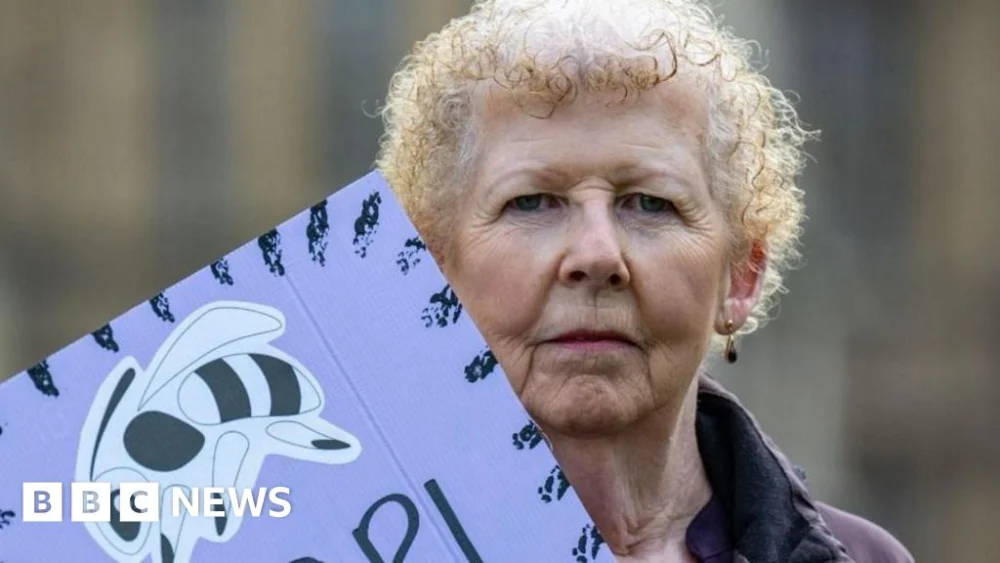
At the heart of this protracted dispute is the Women Against State Pension Inequality (Waspi) campaign. This influential group represents approximately 3.6 million women born in the 1950s who contend they were not adequately informed of the incremental rise in their state pension age, a change designed to bring it into line with that of men. For these women, many of whom had meticulously planned their retirements around the expectation of receiving their state pension at 60, the lack of timely and clear communication led to devastating financial and emotional consequences. Retirement plans were shattered, savings depleted, and many were forced to continue working well beyond their anticipated retirement dates, often in physically demanding jobs, or to rely on benefits.
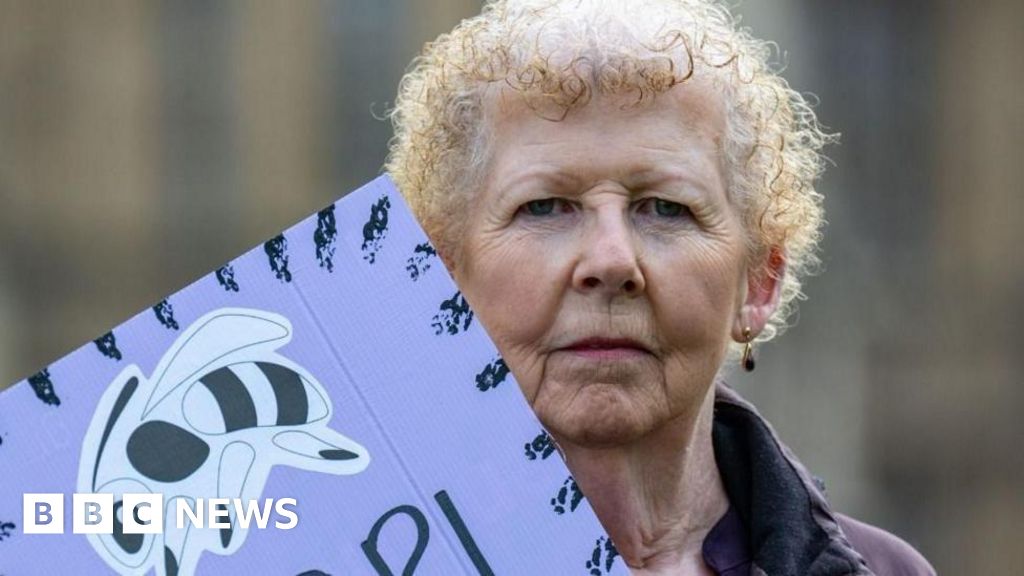
Angela Madden, who chairs the Waspi group, minced no words in her condemnation of the government’s latest ruling, stating that it demonstrated "utter contempt" for those affected. "The government has kicked the can down the road for months, only to arrive at exactly the same conclusion it has always wanted to," Madden asserted. "This is a disgraceful political choice by a small group of very powerful people who have decided the harm and injustice suffered by millions of ordinary women simply does not matter." Her statement encapsulates the deep-seated frustration and sense of betrayal felt by countless women who have tirelessly campaigned for recognition and redress for years.
The historical context of these pension age changes is crucial to understanding the Waspi campaign’s grievance. The 1995 Pensions Act legislated for the equalisation of the state pension age (SPA) for men and women, gradually raising women’s SPA from 60 to 65 between 2010 and 2020. This was followed by the 2011 Pensions Act, which accelerated the timetable, bringing forward the equalisation to 65 by 2018 and subsequently raising the SPA for both men and women to 66 by 2020. While the principle of equalisation was broadly accepted, the Waspi campaign’s core argument has always centred on the alleged maladministration by the Department for Work and Pensions (DWP) in communicating these changes effectively and promptly to the women directly affected. Many women claim they received little to no personal notification, leaving them with insufficient time to adjust their financial planning or career trajectories.
The recent "rethink" of the government’s position had offered a glimmer of hope to campaigners. This review was prompted by the discovery of a 2007 survey that had reportedly not been presented to the then-Work and Pensions Secretary, Liz Kendall, during earlier considerations of the matter. The emergence of such a document raised questions about whether previous decisions were made with full access to all relevant information. Pat McFadden, Kendall’s successor, promised to scrutinise the DWP’s records to ensure no other critical documents had been overlooked. This commitment sparked renewed optimism within the Waspi community that a more equitable outcome might finally be reached. However, that hope has now been unequivocally dashed.
A significant turning point in the campaign came in 2024 when the Parliamentary and Health Service Ombudsman (PHSO) issued a damning report. Following an extensive investigation into complaints about the DWP’s handling of pension age communication, the PHSO concluded that there had indeed been "maladministration" by the department. The Ombudsman found that the DWP had failed to adequately inform women about the changes, particularly those born in the 1950s. Crucially, the PHSO recommended that those affected should receive compensation, suggesting amounts between £1,000 and £2,950 each, categorised as Level 3 compensation for injustice. While the PHSO has the authority to recommend compensation, it lacks the power to enforce its implementation, leaving the final decision squarely with the government. Unsurprisingly, the government initially rejected the PHSO’s recommendations, citing concerns over cost and the precedent it might set. The latest reconsideration was seen as a potential path to revisit that rejection, but it has not led to a different outcome.
In justifying its most recent rejection, the government reiterated its long-held arguments. It estimated that a flat-rate compensation scheme for all affected women would carry an astronomical cost of "up to £10.3bn." The government argued that such a payout "would simply not be right or fair given it would be paid to the vast majority who were aware of the changes." This assertion directly contradicts the core premise of the Waspi campaign and the PHSO’s findings regarding inadequate communication. Furthermore, the government contended that a more individualised compensation scheme, designed to assess each woman’s specific level of disadvantage, "would not be practical to set up," citing the immense administrative burden and complexity involved.
The government’s position continues to be that it undertook extensive efforts to inform the public about the rising state pension age. It points to a "wide range of public information," including leaflets distributed widely, targeted education campaigns, notices in GP surgeries, public service announcements on TV and radio, advertisements in cinemas, and online resources. However, Waspi campaigners consistently counter that these methods were insufficient, generic, and failed to adequately reach the specific demographic of women who were most directly impacted, many of whom were not online or consuming media in ways that would reliably deliver such critical personal financial information. They argue that direct, personal notification, such as letters, should have been the standard, given the life-altering nature of the changes.
The emotional toll on the women affected cannot be overstated. Many had meticulously planned their retirement years, looking forward to spending time with grandchildren, pursuing hobbies, or simply enjoying a well-deserved rest after decades of work. The sudden and often unexpected extension of their working lives led to immense stress, anxiety, and in some cases, severe financial hardship. Stories abound of women being forced to sell homes, delay vital medical treatments, or rely on family members for support, all due to the unexpected five or six-year delay in receiving their state pension. The government’s latest decision is seen by these women not just as a financial rejection, but as a profound dismissal of their lived experiences and suffering.
As the political landscape shifts and a general election looms, the Waspi issue remains a highly sensitive and contentious topic. Opposition parties have often expressed sympathy for the Waspi women, but concrete commitments to compensation have been more elusive, reflecting the immense financial implications. The government, on the other hand, faces the difficult balancing act of fiscal responsibility against public outcry and the independent findings of the PHSO. The decision not to compensate reflects a prioritisation of public finances, even in the face of strong evidence of maladministration and widespread personal distress.
For the Waspi campaigners, this is not the end of the road. Angela Madden and her colleagues have vowed to continue their fight, exploring all available avenues. This could include further legal challenges, sustained lobbying of Members of Parliament across the political spectrum, and renewed public awareness campaigns and protests. The age and increasing vulnerability of many of the affected women add a poignant urgency to their struggle. The government’s repeated rejection, particularly after a period of reconsideration, signals a hardening of its stance, making any future breakthrough seem increasingly unlikely without significant external pressure or a dramatic shift in political will. The stalemate continues, leaving millions of women feeling abandoned and denied justice for what they perceive as a grave historical wrong.



 Roy Suryo
 George Anjay
 atisusanti
 Ramos Leo