
 Nana Banana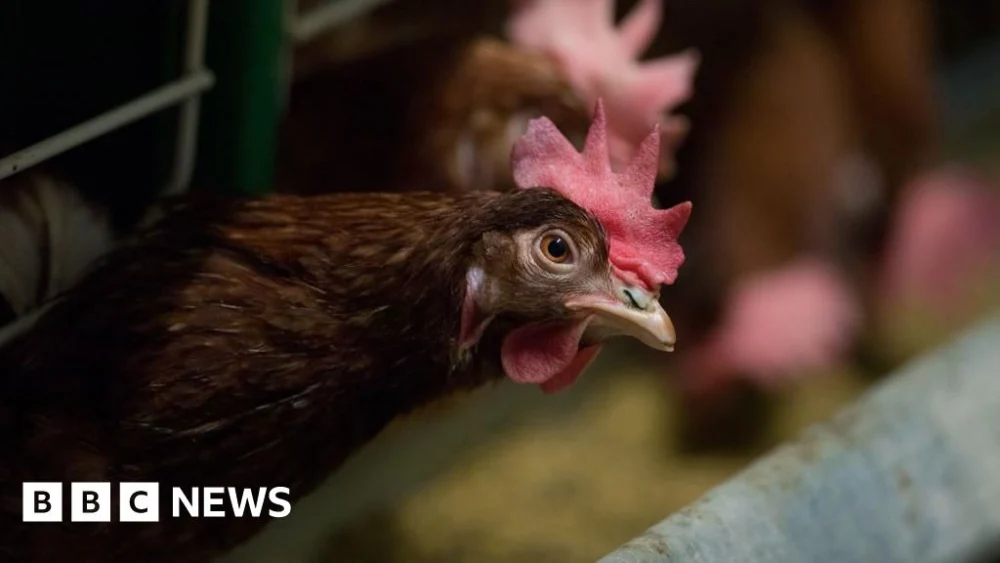
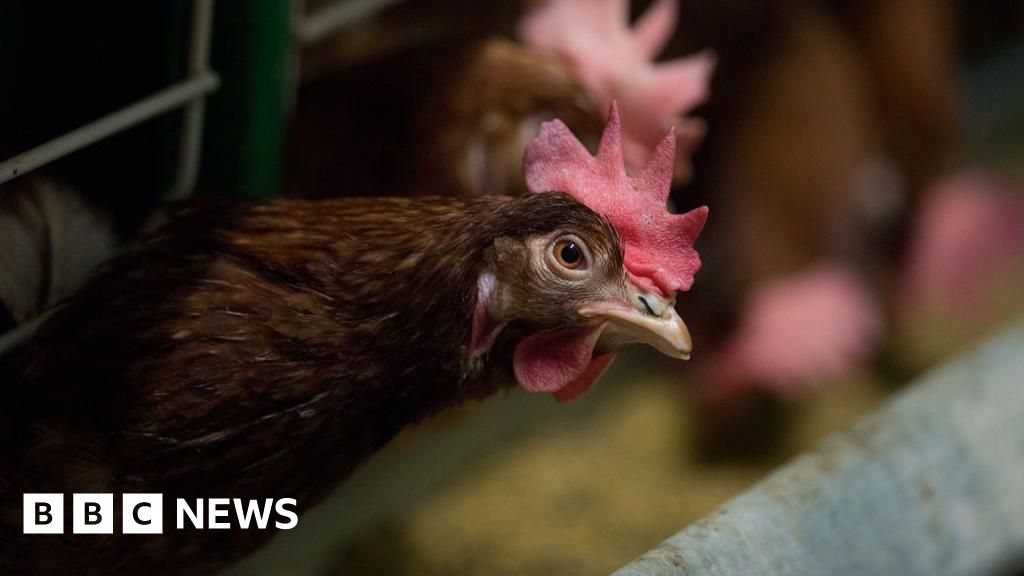
At the heart of the proposed changes is a commitment to transition away from intensive confinement systems for farmed animals. For poultry, this means an end to the use of hen cages. While conventional battery cages for individual hens have been banned in the UK since 2012, an estimated 20% of England’s egg-laying hens are still housed in "enriched colony cages." These larger cages accommodate multiple birds, offering slightly more space than their predecessors but still severely restricting natural behaviours such as dust bathing, foraging, and nesting. The government’s new animal welfare strategy explicitly states its intention to "transition to non-cage systems and consult on phasing out enriched ‘colony’ cages," signaling a move towards barn, aviary, or free-range systems. Animal welfare advocates, including the RSPCA, believe that removing the remaining 20% of hens from cages should not pose a "massive commercial problem" for the industry, given the existing prevalence of free-range farming which accounts for approximately 80% of egg production. The transition, however, will require investment from farmers in new housing infrastructure and potentially adjustments to farm management practices.
Similarly, the government plans to address the use of pig farrowing crates. These highly restrictive metal enclosures are designed to contain sows during and after giving birth, primarily to prevent them from accidentally crushing their piglets. While effective in reducing piglet mortality, farrowing crates severely limit the sow’s movement, preventing her from turning around, nesting, or properly interacting with her offspring. This confinement raises significant welfare concerns, leading to frustration and stress for the mother pig. The strategy outlines a commitment to work collaboratively with the farming industry to "explore how to transition away from the use of farrowing crates to alternative systems." The National Pig Association, representing the industry, has indicated it will be "following the next steps closely" and is itself exploring more flexible farrowing systems that offer greater freedom of movement for sows while still ensuring piglet safety. These alternative systems, often referred to as "free-farrowing" or "loose-farrowing" pens, typically provide more space and enrichment, allowing the sow to express natural nesting instincts before birth.
Beyond these specific farming practices, the government’s wide-ranging strategy encompasses several other critical animal welfare issues. Environment Secretary Emma Reynolds highlighted that the government has "already acted to improve zoo standards, end puppy smuggling and protect livestock from dog attacks." The new proposals build on this foundation by planning to ban "cruel snares," prohibit trail hunting, and curb low-welfare dog breeding, which includes a crackdown on so-called puppy farming. The strategy also targets the practice of farming "Frankenchickens," a term used by animal welfare campaigners to describe fast-growing breeds of chickens farmed for meat. These birds are genetically selected for rapid growth, often reaching slaughter weight in a matter of weeks, which can lead to significant welfare issues such as lameness, organ failure, and chronic pain. The government’s intention to outlaw these breeds reflects a broader move towards prioritizing animal health and welfare over purely economic efficiency in meat production.
While animal welfare organizations have largely welcomed the proposals, the farming industry has raised significant concerns, particularly regarding the potential for unfair competition. National Farmers’ Union (NFU) President Tom Bradshaw articulated this apprehension, urging the government to ensure that any new laws also require imported food to be produced to the same rigorous standards as those mandated for British farmers. Bradshaw warned that failing to do so would create an uneven playing field, allowing cheaper, lower-welfare products from overseas to undermine domestic producers who invest in higher welfare practices. "If we don’t implement the changes that we want to have in our production systems here within our import standards, then all we do is export our industry overseas," he stated on BBC Radio 4’s Today programme, emphasizing the economic vulnerability of British agriculture. This concern is particularly pertinent in a post-Brexit landscape where new trade deals are being forged.
In response, the Department for Food and Rural Affairs (Defra) has reiterated its commitment not to "lower food standards" and to "uphold high animal welfare standards as part of our approach to trade." Defra further stated it would "always consider whether overseas produce has an unfair advantage and any impact that may have." However, the practical mechanisms for enforcing equivalent welfare standards on imports remain a complex challenge, potentially involving new labeling schemes, import tariffs, or requiring specific welfare certifications for foreign products entering the UK market. The British Poultry Council, which represents the poultry meat industry, was approached for comment, reflecting the need for ongoing dialogue between policymakers and industry stakeholders to navigate these transitions effectively.
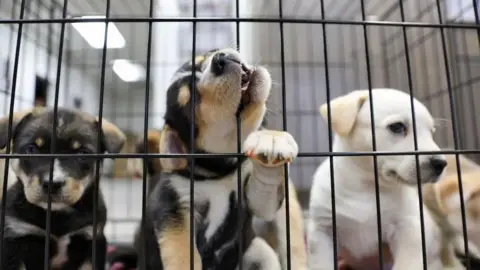
The crackdown on puppy farming is another significant component of the strategy, hailed by the RSPCA as a "real game-changer." Puppy farming refers to the practice of breeding dogs in poor conditions, often over-breeding female dogs and neglecting the health and welfare of both parents and puppies to maximize profits. This can lead to severe health issues in puppies, including genetic disorders, behavioral problems, and susceptibility to disease, as well as chronic suffering for the breeding dogs. Currently, breeders selling three or more litters a year in England, Wales, and Northern Ireland must obtain a license, which involves an inspection. However, critics argue these regulations are insufficient. The government plans to launch a consultation on introducing a new, more comprehensive registration scheme for all dog breeders, alongside improving the health and welfare standards required for obtaining licenses. The RSPCA has pledged to work closely with the government to draft robust legislation that ensures "no loopholes" for unethical breeders.
Beyond farmed and companion animals, the strategy extends to wildlife and traditional rural activities. The government is also looking to ban the use of snare traps in the countryside. Snares are wire nooses set to catch animals, often foxes, but they are indiscriminate and can cause significant suffering and injury to non-target species, including domestic pets and protected wildlife, often over prolonged periods.
Furthermore, a consultation on a proposed ban on trail hunting is set to be carried out in 2026. While fox hunting with dogs was banned in England and Wales by the Hunting Act 2004, trail hunting emerged as an alternative, involving hounds following an artificial scent laid by a human. However, animal welfare groups and critics argue that trail hunting is frequently used as a "smokescreen" for illegal fox hunting, with hounds often picking up live animal scents instead of the artificial trail. Environment Secretary Emma Reynolds acknowledged this, stating, "We have seen that people are trying to get around that ban by using trail hunting in some cases… we are determined to go further, which is why banning trail hunting is in the animal welfare strategy."
This aspect of the strategy has drawn strong opposition from rural communities and Conservative politicians. Tim Bonner, chief executive of the Countryside Alliance, criticized the government for spending "more parliamentary time on hunting," calling the move "unnecessary" and "divisive." He argued that rural communities would be "shocked that after Labour’s attack on family farms and its neglect of rural communities it thinks banning trail hunting and snares used for fox control are a political priority." Conservative chairman Kevin Hollinrake echoed these sentiments, labeling the proposed ban an "attack on rural Britain and British culture" and accusing the government of "punishing the law-abiding majority who support legal trail hunting."
Overall, the government’s comprehensive animal welfare strategy represents a significant policy shift, reflecting growing public concern for animal well-being. While praised by animal welfare advocates for its ambition, it also presents substantial challenges for the agricultural sector and raises questions about trade fairness and the balance between traditional rural pursuits and evolving ethical standards. The journey to implement these reforms by 2030 will undoubtedly involve complex consultations, legislative debates, and considerable adjustments across various industries, ultimately reshaping the landscape of animal welfare in England.




 Roy Suryo

 Nakalama John
 atisusanti
 Ramos Leo
