
 Roy Suryo
London, UK – A significant surge in gallbladder removal surgeries across NHS England in the past decade has prompted specialist doctors to call for more in-depth research into a potential link with the burgeoning use of weight-loss injections. In the 2024-25 financial year, NHS England recorded a record-breaking 80,196 gallbladder surgeries, marking a 15% increase from the previous year and the highest number observed in ten years. This trend has coincided with the widespread adoption of GLP-1 receptor agonist medications, such as Wegovy, Mounjaro, and Saxenda, which have revolutionized obesity management for millions.
Dr. Ahmed Ahmed, President of the British Obesity and Metabolic Specialist Society and a consultant surgeon, has personally witnessed this correlation. He reports performing an increasing number of gallbladder removal procedures, with a growing number of patients disclosing their use of weight-loss injections. "We don’t know whether it’s the injections that are causing the gallstones, or is it because the injections are causing rapid weight loss, which then in turn causes the gallstones?" Dr. Ahmed questioned, emphasizing the urgent need for further investigation to establish causality.

Gallstones are acknowledged as a common side effect associated with these popular weight-loss medications, and the UK’s Medicines and Healthcare products Regulatory Agency (MHRA) has placed them under "continual review." On Thursday, the MHRA updated its guidance on GLP-1 injections, specifically addressing the risk of acute pancreatitis, a condition frequently linked to gallstones. Pharmaceutical giants Eli Lilly (makers of Mounjaro) and Novo Nordisk (makers of Wegovy and Saxenda) have affirmed that patient safety is paramount and that they actively monitor reports of adverse drug reactions.
Recent estimates from University College London researchers suggest that approximately 1.6 million UK adults have utilized weight-loss injections in the past year, with the majority accessing them through private prescriptions rather than NHS provisions. While most users report positive experiences without gallstone complications, the case of Sue Peacock, a mother of five from Wirral, highlights the potential risks.
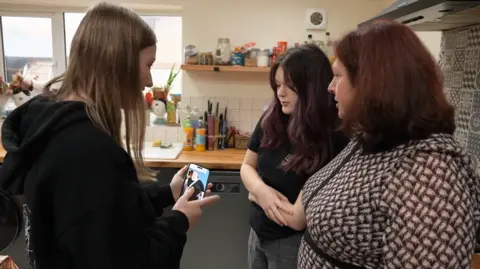
Ms. Peacock initially viewed Mounjaro as a promising solution after consulting with her GP. However, within weeks of starting the injections, she was diagnosed with gallstones. These hard deposits, primarily composed of cholesterol and bile, form within the gallbladder and can lead to severe health issues. Before she could undergo a planned gallbladder removal, her gallstones triggered pancreatitis, a life-threatening inflammatory condition of the pancreas. "I felt like I was dying… the pain was worse than it had ever been," Ms. Peacock recounted, describing her intense suffering and fear. She firmly believes the injections were the direct cause of her severe illness, an experience she described as "life-changing" and one that has left her children in a constant state of worry for her well-being.

The rise in gallbladder removals has been notable since the approval of these weight-loss drugs in the UK: Wegovy and Saxenda in 2021, and Mounjaro in 2023. The patient information leaflets for these injections explicitly list gallstones as a "common" side effect. Clinical trials have also indicated that these medications can sometimes lead to gallbladder inflammation, with Mounjaro, for instance, reporting this as a potential side effect in up to 1 in 100 individuals.
It is a well-established medical fact that rapid weight loss, regardless of the method, can increase the likelihood of developing gallstones. This phenomenon has been observed in individuals undergoing stringent diets even without the use of pharmacological interventions. Furthermore, the NHS notes that factors such as being female, over 40, and living with obesity can also elevate the risk of gallstone formation.
Given these contributing factors, Dr. Ahmed acknowledges the complexity in definitively attributing the rise in gallbladder removals solely to the injections. He advocates for a "high quality" research trial to compare the efficacy and cost-effectiveness of weight-loss injections against bariatric surgery, a procedure that involves surgically reducing the size of the stomach to promote satiety.
Mr. James Hewes, a consultant surgeon in Bristol specializing in obesity and bariatric surgery, concurs that weight-loss injections have "transformed the way that we manage people living with obesity." However, he echoes Dr. Ahmed’s call for further research into their long-term effects. "Anecdotally, we are seeing more patients presenting with gallstones," Mr. Hewes stated. He also pointed out the difficulty in distinguishing whether the gallstones are a direct result of the injections or if they were pre-existing conditions that were not adequately assessed prior to treatment.
Despite these concerns, the transformative impact of weight-loss injections on individuals struggling with their weight is undeniable for many. Steve O’Farrell, a 67-year-old grandfather and father of three from Bristol, shared his positive experience. After a lifelong battle with his weight, Mounjaro has proven to be the only treatment that has yielded lasting results. Mr. O’Farrell has lost over five stone (34kg) and reports increased energy levels, enabling him to exercise for the first time in years. He emphasized his thorough research before obtaining the drug privately and believes the potential risks, such as developing gallstones, are a "small price to pay" for the significant health benefits. "You can’t go into these things blind… you’ve got to see the pros and cons," he advised, underscoring the importance of informed decision-making.
The NHS confirms that gallbladder removal is a common and generally safe procedure, although, like all surgeries, it carries inherent risks such as blood clots and infection.

For individuals considering weight-loss drugs and seeking to mitigate the risk of gallstones, Mr. Hewes suggests that "Losing weight in a slower and a controlled manner is likely to reduce your chances of getting gallstones." Both surgeons stressed the critical importance of patients engaging in open discussions with their healthcare professionals regarding the benefits and risks associated with these medications.
Eli Lilly and Novo Nordisk have both advised patients experiencing any side effects to consult with a doctor or healthcare professional. Novo Nordisk further recommends reporting side effects to a healthcare provider and to the MHRA’s Yellow Card scheme, a crucial system for early detection of potential safety issues.
Additional reporting by Ema Sabljak, BBC England Data Unit.

Follow BBC West on Facebook, X, and Instagram. Send your story ideas via WhatsApp on 0800 313 4630.
Get our flagship newsletter with all the headlines you need to start the day. Sign up here.




 Nakalama John
 atisusanti
 Ramos Leo
