
 Roy Suryo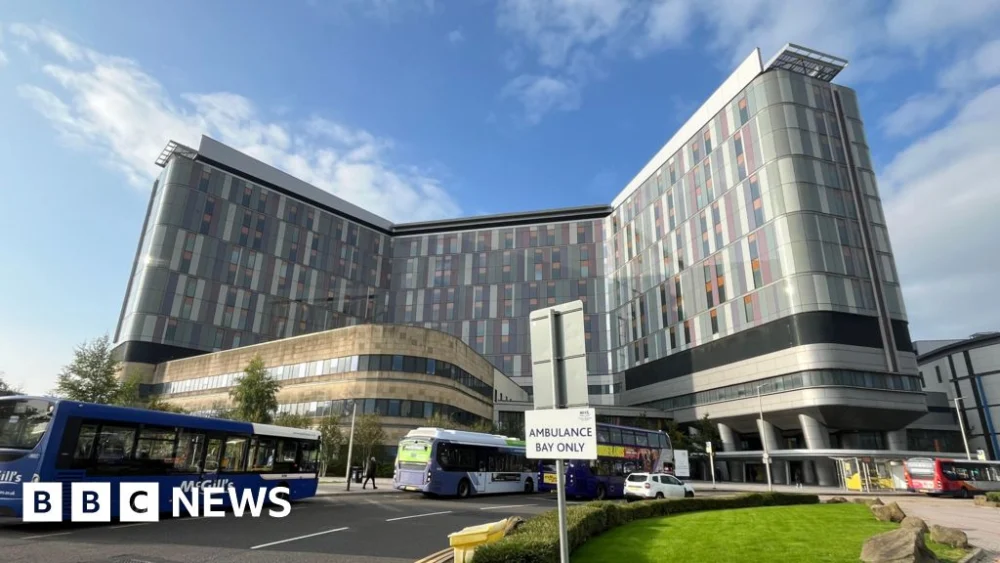
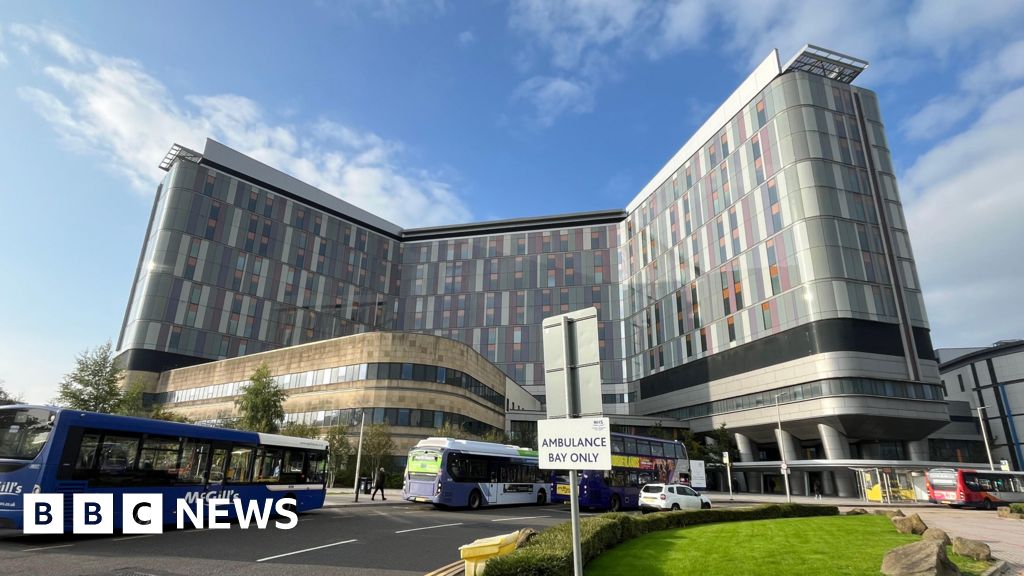
Scottish Labour leader Anas Sarwar has presented what he describes as "damning" evidence, including government meeting notes, indicating that significant political pressure was exerted to expedite the opening of the Queen Elizabeth University Hospital (QEUH) in Glasgow, despite prevailing safety concerns. The revelation comes amidst ongoing investigations into the design and construction of the QEUH complex, which has been marred by deaths linked to infections. Both the Scottish government and NHS Greater Glasgow and Clyde (NHSGGC) have consistently denied that the health board was compelled to open the facility before it was adequately prepared.
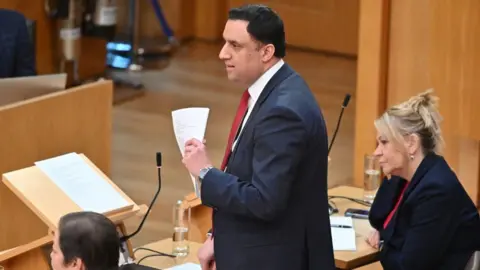
During a heated exchange at First Minister’s Questions, Mr. Sarwar dramatically produced government meeting notes that explicitly state the health board felt "political pressure." In response, First Minister John Swinney reiterated his government’s commitment to a comprehensive public inquiry, commissioned to thoroughly examine all such issues. The Scottish Hospital Inquiry, established to scrutinize the QEUH’s design and construction in the wake of patient deaths attributed to infections, is now expected to delve deeply into these newly surfaced allegations.
NHSGGC recently admitted that flaws in the hospital’s water system likely contributed to infections in child cancer patients, a stark reversal of their earlier stance. This admission followed mounting pressure from opposition parties, who accused the Scottish government of applying political pressure to ensure the flagship hospital’s opening prior to the 2015 general election. These accusations have been vehemently denied by both Mr. Swinney and former First Minister Nicola Sturgeon.
However, the health board clarified on Saturday evening that the pressure they acknowledged was primarily internal. Despite this clarification, Mr. Sarwar insists that the minutes of meetings between Scottish government and health board officials, held in late 2019 and early 2020, provide concrete evidence of external political influence. These minutes, which have been reviewed by BBC Scotland News, unequivocally state that the health board was experiencing "political pressure" and that "no consideration was given to delaying the opening of the hospital despite the issues being faced with completion and operation."
Mr. Sarwar characterized these documents as "damning," asserting they reveal "in black and white" the existence of political pressure. Addressing Members of the Scottish Parliament (MSPs), he declared: "That decision to open the hospital early has resulted in a decade of lies, deceit and cover-up, bullying and gaslighting of staff, families being lied to and denied the truth and infections that led to the deaths of children and possibly adults too – all because politics was put before patient safety."
Mr. Swinney, while acknowledging the inquiry’s scope, appeared visibly uncomfortable during Mr. Sarwar’s revelations. He maintained that the inquiry would explore all facets of the situation. Speaking after First Minister’s Questions, Mr. Swinney denied that Mr. Sarwar had presented definitive proof of political pressure, expressing "every confidence" in the ongoing investigation. He pointed to statements made by Fred Mackintosh KC, lead counsel for the hospital inquiry, who reportedly informed the inquiry that there was "no evidence of external pressure" on the health board.
Last week, Mr. Mackintosh informed the inquiry that hospital bosses involved in the QEUH’s opening had not provided evidence of "pressure either from them or from anyone else" to hasten the campus’s launch. He acknowledged that the project’s complexity, involving the consolidation of several hospitals onto a single site, naturally created a sense of urgency. Mr. Mackintosh stated, "So there’s pressure in the sense that it would be a good idea to meet the target because otherwise it will be difficult for everybody, there will be failures, but we didn’t detect in the evidence pressure to open it earlier than was planned."
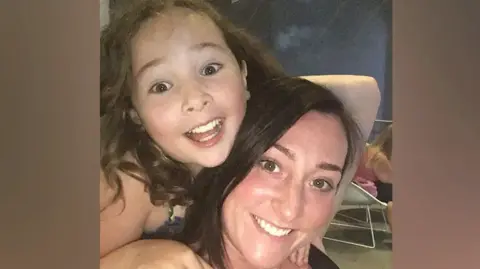
The tragic consequences of the QEUH’s issues are underscored by the death of 10-year-old Milly Main, who contracted an infection at the hospital complex. Milly’s mother, Kimberly Darroch, expressed that this news "confirms" the fears she and other bereaved families have harbored. "We thought that political pressure was applied to open the hospital before it was ready, and now we know the truth – that’s exactly what happened," she stated. "The denials about this in recent days have added to our pain and anguish – we were lied to, and this proves it. We are edging closer to the truth, but we still don’t have the full story. Milly would not want me to give up until the truth was uncovered and I will not."
The inquiry is scheduled to publish a comprehensive report and recommendations at a future, as yet unspecified, date. The emergence of these government meeting notes represents a potentially significant turning point in the scandal, directly challenging previous denials from prominent political figures and the health board. While the notes refer to "political pressure being felt," they do not explicitly detail the source or extent of such pressure, leaving room for further scrutiny. Nevertheless, the development undeniably places the government in an uncomfortable position, raising critical questions about accountability and the prioritization of patient safety over political expediency.
The QEUH, a state-of-the-art facility intended to revolutionize healthcare in Scotland, opened its doors in 2015. Its construction was a monumental undertaking, aiming to consolidate services from the Western Infirmary, Victoria Infirmary, and the Royal Hospital for Sick Children. The project, however, was plagued by delays and budget overruns, raising initial concerns about its readiness. As the hospital transitioned to its new site, a series of critical issues began to surface, most notably concerning the water systems and the building’s overall integrity.
Reports of infections, including those caused by Cryptosporidium and Stenotrophomonas, began to emerge shortly after the hospital’s opening. These infections led to serious health complications for patients, particularly vulnerable children undergoing cancer treatment. The Royal Hospital for Children, located within the QEUH campus, became the focal point of these concerns. The admission by NHSGGC that the water system problems "probably" caused infections in child cancer patients marked a significant acknowledgment of fault, after prolonged periods of what families described as denial and a lack of transparency.
The scandal has had profound repercussions, leading to a loss of public trust and intense scrutiny of the Scottish National Party (SNP) government’s handling of major infrastructure projects and healthcare provision. The establishment of the Scottish Hospital Inquiry was a direct response to the mounting pressure from families, patient advocacy groups, and opposition parties who demanded a thorough and independent investigation into the QEUH’s failings. The inquiry’s mandate is broad, encompassing not only the immediate causes of the infections but also the broader systemic issues related to the design, procurement, construction, and commissioning of the hospital.
Anas Sarwar’s intervention, armed with what he claims are definitive government documents, has injected a new level of urgency and political stakes into the ongoing investigation. His assertion that "politics was put before patient safety" directly implicates those in power at the time of the hospital’s opening. The reference to "lies, deceit and cover-up, bullying and gaslighting of staff" paints a grim picture of the hospital’s early operational years, suggesting a culture of suppressing adverse information.
The First Minister’s reliance on the statements of the inquiry’s lead counsel, Fred Mackintosh KC, highlights the government’s strategy of deferring to the independent investigation. However, Mr. Sarwar’s presentation of internal government meeting notes, if corroborated and contextualized, could provide a crucial counterpoint to the inquiry’s current findings or preliminary assessments. The discrepancy between the health board’s earlier admission of internal pressure and the new evidence of alleged external political pressure is a key area that the inquiry will undoubtedly need to address.
The families affected by the QEUH scandal have been unwavering in their pursuit of truth and justice. Milly Main’s mother, Kimberly Darroch, has become a prominent voice for these families, her determination reflecting the deep personal toll of the hospital’s failures. Her statement underscores the profound distress caused by what she perceives as a deliberate campaign of misinformation. The ongoing fight for full disclosure and accountability remains a central theme for these families, who have endured immense suffering and loss.
The Scottish Hospital Inquiry faces a formidable task. It must meticulously examine a vast amount of evidence, including architectural plans, construction records, internal communications, and witness testimonies, to reconstruct the events leading up to and following the QEUH’s opening. The question of whether political pressure, if proven, was a direct causal factor in patient harm, or if it merely contributed to a culture that allowed systemic issues to fester, will be a critical aspect of the inquiry’s findings. The ultimate success of the inquiry will be measured not only by its ability to identify the causes of the failures but also by its capacity to provide meaningful recommendations that prevent such tragedies from recurring in the future. The latest revelations from Anas Sarwar suggest that the path to that full understanding is far from over.




 Nakalama John
 atisusanti
 Ramos Leo
