Nana Banana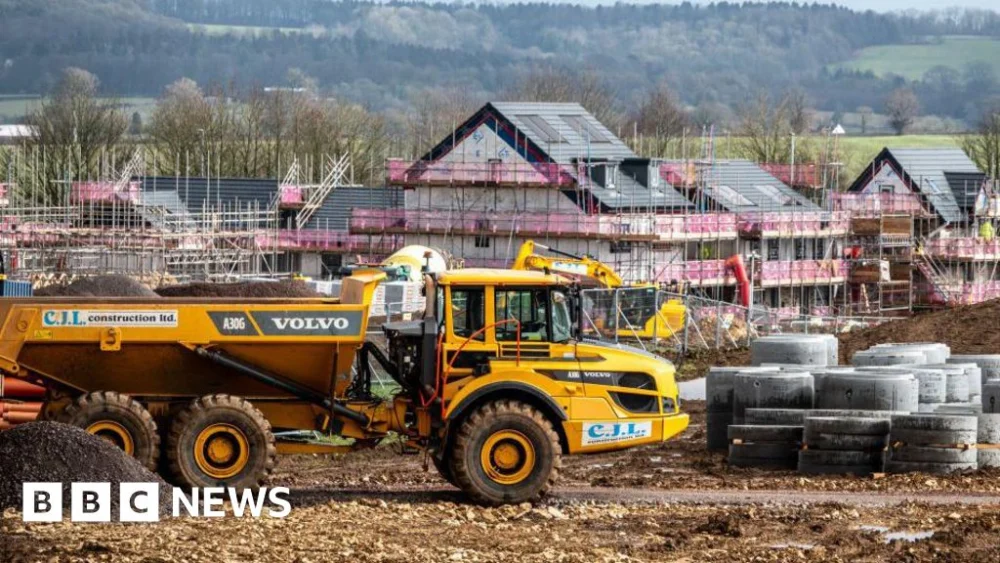
At the heart of the controversy are the Biodiversity Net Gain (BNG) regulations, a cornerstone policy introduced under the Environment Act 2021. BNG mandates that new developments must leave biodiversity in a measurably better state than before, specifically aiming for a 10% increase in natural habitats. This principle, which became mandatory for major developments in January 2024 and was set to apply to smaller sites from April 2024, requires builders to either enhance nature on their development site or invest in off-site habitat creation or restoration to compensate for any ecological damage incurred. For nearly two years, this policy has represented a pivotal commitment to reversing nature’s decline, compelling developers to integrate ecological considerations into their projects.
However, the government’s latest reforms will now exempt housing developments under 2,000 square meters of land from these BNG requirements. This threshold, significantly smaller than some options considered during the initial consultation, which included sites up to 10,000 square meters (roughly one or two football fields), is nonetheless projected to impact an estimated 12,500 homes annually. Furthermore, the government has indicated it will consult on expanding these exemptions to brownfield sites up to 25,000 square meters and introduce measures to make off-site nature improvements easier, quicker, and cheaper for medium-sized developments. These changes are presented as integral to a broader overhaul of planning rules, all geared towards achieving the government’s ambitious target of building 1.5 million new homes within the current Parliament.
Matthew Pennycook, Minister of State for Housing, unveiled these reforms as part of a package designed to "get Britain building again." Acknowledging the inevitable backlash, Pennycook stated, "They will not be without their critics. But in the face of a housing crisis that has become a genuine emergency in parts of Britain, we will act where previous governments have failed." His remarks underscore the immense political pressure to address the country’s housing shortage, which has seen rising prices, limited availability, and a growing number of people unable to afford suitable accommodation. The government argues that streamlining planning processes, even at the cost of some environmental protections, is essential to unlocking development and stimulating economic growth.
Beyond BNG exemptions, the raft of reforms includes other significant policy shifts. Notably, there will be a "default yes" to planning applications near railway stations, even extending to designated green belt land in some instances. This policy aims to leverage existing infrastructure and encourage high-density housing in well-connected areas. Additionally, new builds will be required to incorporate nature-friendly features, such as installing swift bricks, which provide nesting sites for these declining migratory birds. While these smaller-scale measures are welcomed by conservationists, they are seen as insufficient to offset the broader weakening of BNG.
The announcement has predictably sparked outrage among nature charities and conservation groups, who view the move as a dangerous step backward for nature recovery. Richard Benwell, CEO of Wildlife and Countryside Link, a coalition of conservation organizations, articulated their profound concern, stating that the revisions risk "hollowing-out one of the most important nature protection policies in a generation." While acknowledging that the exemptions were narrower than originally proposed, Benwell stressed that this represented "damage limitation, not positive leadership for nature." Environmentalists argue that the cumulative impact of exempting thousands of smaller developments will be significant, leading to a patchwork of habitat loss that erodes vital ecological networks and further threatens already vulnerable species. They contend that small sites often play a crucial role as stepping stones or corridors for wildlife in urban and suburban environments, and their unmitigated destruction contributes to the "death by a thousand cuts" phenomenon for biodiversity.
Craig Bennett, chief executive of the Wildlife Trusts, echoed this condemnation in an interview with the BBC, accusing the government of attempting to "scapegoat nature for a failing economy." He emphasized that the British public desires both economic development and nature protection, rather than one being pitted against the other. This sentiment highlights a broader concern that the government is sacrificing long-term environmental sustainability for short-term economic gains, potentially undermining its own stated commitments to halt biodiversity decline by 2030 and achieve net-zero emissions. The UK is already one of the most nature-depleted countries in the world, and critics fear this policy will exacerbate an already dire situation.
Conversely, the building industry has largely welcomed the changes, having long argued that BNG policies added unnecessary complexity, costs, and delays to the development process. Rico Wojtulewicz of the National Federation of Builders articulated this perspective, stating that BNG had made building "harder, more expensive and more complicated," particularly for smaller developers and self-builders. These smaller enterprises often lack the resources and expertise to navigate intricate ecological surveys, design complex on-site habitat improvements, or acquire suitable land for off-site mitigation, thereby making some projects unviable. The industry asserts that these burdens ultimately contribute to higher housing costs and fewer homes being built, thus exacerbating the housing crisis. For developers, the streamlined process and reduced regulatory hurdles promised by the exemptions are seen as crucial for increasing efficiency and delivering homes more quickly and affordably.
The government’s consultation on expanding exemptions to brownfield sites up to 25,000 square meters also reflects an attempt to balance development with environmental concerns. While brownfield sites are generally preferred for development over greenfield land, they are not without ecological value and often harbor unique urban wildlife or require significant remediation. Making off-site nature improvements easier, quicker, and cheaper for medium-sized developments could involve measures such as creating a national register of biodiversity units, simplifying the credit purchasing system, or establishing a framework for local authorities to manage and deliver off-site gains more efficiently.
This policy shift represents a critical juncture in the UK’s environmental governance, laying bare the tension between pressing societal needs like housing and the imperative to protect and restore nature. While the government frames these changes as pragmatic steps to alleviate a national emergency, environmentalists warn of irreversible damage to the natural world and a betrayal of pledges to future generations. The debate is far from over, with ongoing scrutiny of the policy’s implementation and its long-term impact on both housing delivery and the health of England’s ecosystems. The critical balance between development and conservation remains a defining challenge, and this latest decision will undoubtedly shape the trajectory of both for years to come.



 Roy Suryo