
 Roy Suryo
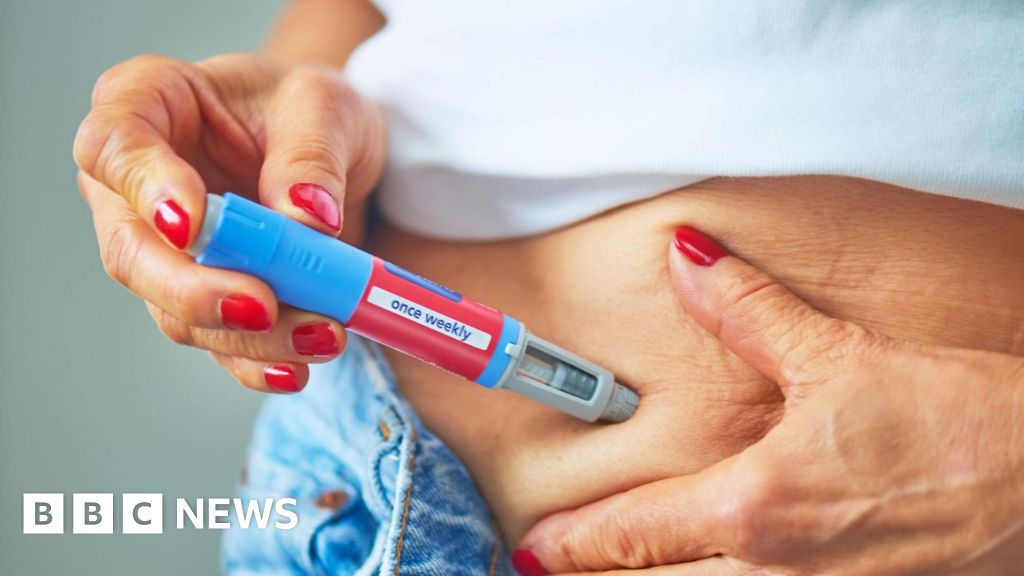
The widespread adoption of GLP-1 receptor agonist injections, such as Wegovy and Mounjaro, for weight management has prompted a crucial safety alert from the Medicines and Healthcare products Regulatory Agency (MHRA). Users of these popular medications are being strongly advised to be vigilant for the rare but potentially severe complication of acute pancreatitis, a serious inflammation of the pancreas. The MHRA is emphasizing that while these drugs offer significant health benefits for the majority of patients, awareness of this specific risk and its symptoms is paramount for patient safety.
The symptoms of acute pancreatitis to be acutely aware of, as highlighted by the MHRA, include excruciating pain in the stomach area that does not subside and often radiates to the back. This severe discomfort may also be accompanied by nausea and vomiting, signaling a potentially urgent medical situation. The agency strongly advises individuals experiencing such symptoms while taking GLP-1 medications to seek immediate medical attention. Prompt consultation with a healthcare professional is critical for timely diagnosis and management of this serious condition.
In response to emerging safety data and reports, the product information provided to both healthcare professionals and patients concerning the risk of pancreatitis associated with these drugs has been updated. This ensures that all relevant parties are furnished with the most current and comprehensive safety guidance. The MHRA’s proactive approach aims to empower individuals and their clinicians with the knowledge necessary to identify and address potential adverse events effectively.
It is important to note that there have been hundreds of reports of both acute and chronic pancreatitis submitted by individuals who have been prescribed or have taken medications belonging to the GLP-1 class, including Mounjaro, Ozempic, and Wegovy. While these reports are being thoroughly investigated, the MHRA stresses that a direct causal link between these medications and all reported cases of pancreatitis has not yet been definitively confirmed. The agency is committed to a rigorous scientific evaluation of all available data to ascertain any potential associations.
The growing popularity of these weight-loss injections is undeniable. An estimated 1.6 million adults across England, Wales, and Scotland are believed to have utilized drugs such as Wegovy and Mounjaro in the past year. This significant uptake underscores the societal demand for effective weight management solutions and the substantial impact these medications are having on public health. However, this widespread use also amplifies the importance of robust safety monitoring and clear communication of potential risks.
Dr. Alison Cave, the MHRA’s chief safety officer, has reiterated the agency’s unwavering commitment to patient safety. She stated, "For the vast majority of patients who are prescribed GLP-1s, they are safe and effective medicines which deliver significant health benefits." This statement aims to reassure the public and healthcare providers about the overall safety profile of these medications. Dr. Cave continued, "The risk of developing these severe side effects is very small, but it is important that patients and healthcare professionals are aware and alert to the associated symptoms." This balanced perspective acknowledges both the low incidence of the adverse event and the critical need for vigilance.
Dr. Cave further elaborated on the recommended course of action for patients: "If you, or someone you care for, is taking GLP-1s and you notice symptoms such as severe, persistent stomach pain that may radiate to the back and may be accompanied by nausea and vomiting, then we advise you speak to a healthcare professional and report it via our Yellow Card scheme." The Yellow Card scheme is the MHRA’s primary mechanism for collecting reports of suspected side effects from medicines, medical devices, and other healthcare products, playing a vital role in post-market surveillance.
To provide context, the pancreas is a crucial organ situated behind the stomach. It plays a dual role in the body, producing digestive enzymes essential for breaking down food and also secreting hormones like insulin and glucagon that regulate blood sugar levels. Inflammation of this vital organ can disrupt these critical functions, leading to a range of health issues.
The prognosis for acute pancreatitis varies. In most cases, individuals begin to experience improvement within approximately one week, with no lasting complications. However, a subset of patients with severe acute pancreatitis can develop significant and potentially life-threatening complications, necessitating intensive medical care and prolonged recovery periods. The severity of the condition highlights the importance of early detection and intervention.
The MHRA strongly emphasizes that GLP-1 medicines should only be administered under the strict prescription and supervision of a qualified healthcare professional. Self-medication or use without professional guidance is strongly discouraged due to the potential for misdiagnosis, inappropriate treatment, and the exacerbation of underlying health conditions.
Furthermore, the agency advises individuals to engage in open and thorough discussions with their prescribers about the potential benefits and risks associated with GLP-1 medications before commencing treatment. This includes understanding the specific advantages for their individual health circumstances and being fully informed about the spectrum of potential side effects, including the rarer but serious ones like pancreatitis. Any proposed changes to treatment, such as switching to a different brand or altering the dosage, should also be carefully considered and discussed with the prescribing clinician. This collaborative approach between patient and healthcare provider is fundamental to safe and effective medication use. The MHRA’s ongoing surveillance and communication efforts are designed to ensure that the benefits of these transformative medications continue to outweigh their risks for the vast majority of users, while simultaneously protecting those who may be susceptible to adverse events.




 Nakalama John
 atisusanti
 Ramos Leo
