Nakalama John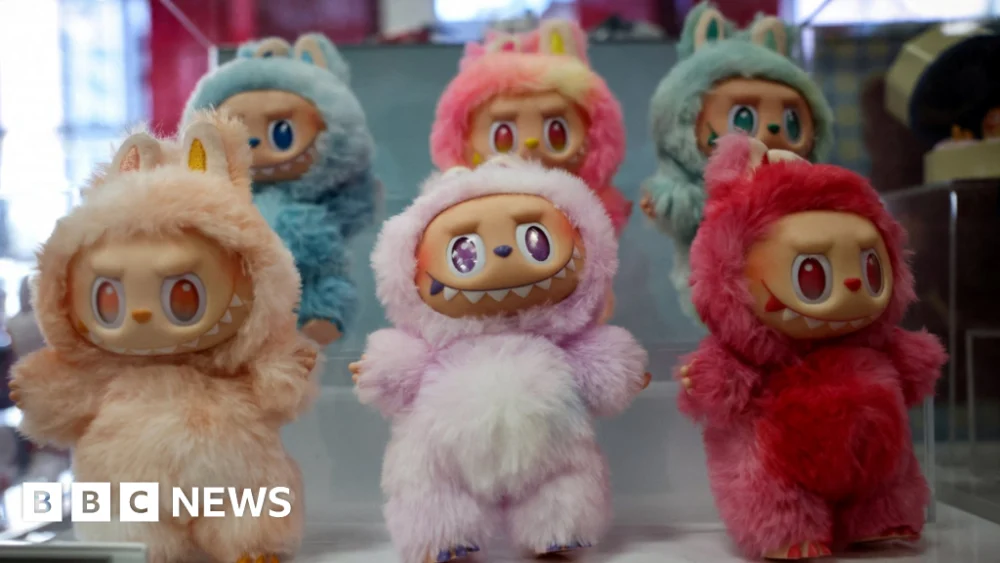
This significant retail announcement forms a crucial part of a broader package of trade and investment deals brokered by the UK government during the Prime Minister’s trip. The official figures tout these agreements, which span diverse sectors from premium spirits to automotive manufacturing, as being worth an estimated £2.2 billion in export deals alone. The timing of this expansion, following the first visit by a UK Prime Minister to China in eight years, underscores a renewed push to re-engage with the world’s second-largest economy, despite persistent geopolitical tensions and human rights concerns.
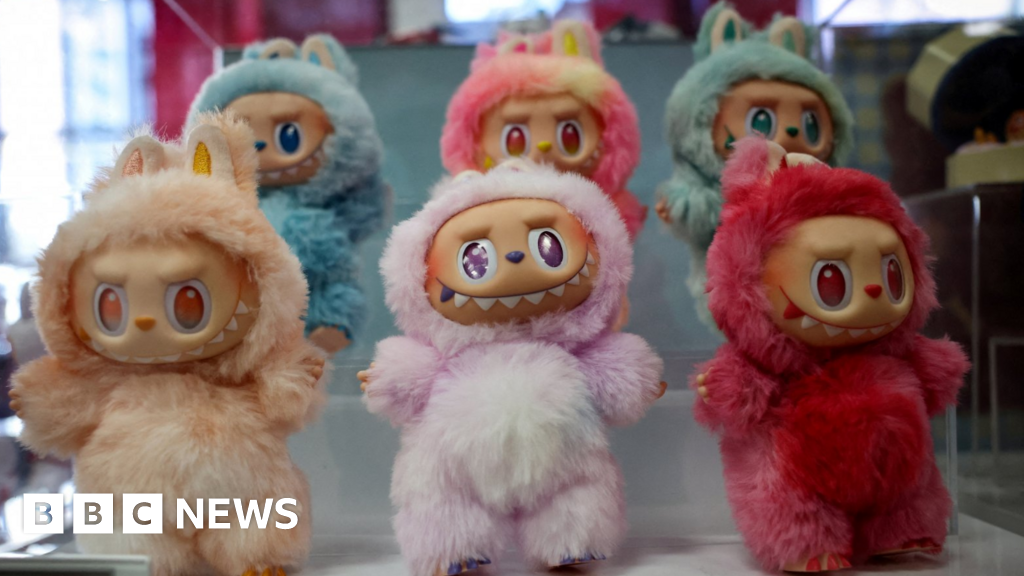
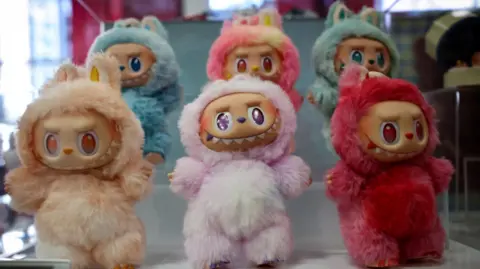
Labubu dolls, with their instantly recognizable furry texture and mischievous, spiky-toothed grin, transcend mere toys; they are cultural phenomena. Their rise to prominence was meteoric, becoming a viral sensation last summer. This surge in popularity was significantly amplified by high-profile celebrity endorsements, with global icons such as Rihanna, Dua Lipa, and Kim Kardashian publicly displaying their affinity for the collectible figures. The allure of Labubu lies not just in their quirky aesthetics but also in the "blind box" purchasing model, where customers buy a sealed box without knowing which specific design they will get, fostering a thrilling sense of anticipation and collectability. This element of surprise, combined with limited editions and collaborations, fuels a passionate collecting culture.
The "legions of fans" dedicated to Labubu are renowned for their willingness to queue for hours, sometimes even overnight, to snap up new releases or highly sought-after variants. While their widespread appeal might seem perplexing to some observers, the undeniable demand for these unique dolls has translated into a powerful instrument of Chinese soft power. State news agency Xinhua has explicitly highlighted Labubu’s role, stating that the brand "shows the appeal of Chinese creativity, quality and culture in a language the world can understand." This cultural export not only boosts China’s economic influence but also subtly projects its artistic and creative capabilities onto a global stage, fostering a more positive perception.
Grant Wang, the visionary founder of Pop Mart, articulated his enthusiasm for the UK expansion, emphasizing London’s pivotal role in the global creative landscape. "London stands at the heart of the global creative ecosystem, and we are thrilled to plant our European roots here," Wang stated. He anticipates that this venture will create approximately 150 new jobs in the UK, contributing to the local economy and injecting vitality into the retail sector. The choice of Oxford Street for a flagship store is particularly strategic, placing the brand in one of the world’s most renowned shopping districts, ensuring maximum visibility and accessibility for both local enthusiasts and international tourists. The additional locations in Cardiff and Birmingham demonstrate a broader strategy to reach diverse consumer bases across the British Isles.
The Prime Minister, Sir Keir Starmer, embarked on this three-day visit to Beijing with a stated objective of thawing diplomatic relations that had become increasingly strained over recent years. His trip marked the first time a UK Prime Minister had visited China in eight years, signaling a deliberate effort to re-establish high-level dialogue and bolster trade ties with the world’s second-biggest economy, behind the United States. On the final day of his visit, Sir Keir announced the estimated £2.2 billion in export deals and new investments, showcasing the tangible economic dividends of his diplomatic efforts.
A cornerstone of this economic package is a significant cut in tariffs on Scottish whisky exports to China. This reduction, set to come into force on Monday, is projected to be worth an estimated £250 million to the UK economy over the next five years. For Scotland’s iconic whisky industry, which has long viewed China as a market with immense growth potential, this tariff reduction represents a substantial boon, making Scottish whiskies more competitive and accessible to Chinese consumers. The deal is expected to significantly boost sales and strengthen the position of one of the UK’s most celebrated export products.
Furthermore, the Prime Minister held a crucial meeting with the chairman of Chery, a prominent Chinese car manufacturer. Following these discussions, Chery confirmed its intention to establish a European headquarters in Liverpool. This investment is a major win for the UK’s automotive sector and for the city of Liverpool, promising job creation, technological exchange, and further foreign direct investment. Chery’s decision to locate its European base in the UK underscores the country’s attractiveness as a hub for international businesses looking to expand into the European market, despite the complexities of post-Brexit trade relations.
However, the Prime Minister’s engagement with China has not been without its critics. Concerns have been vociferously expressed by opposition parties and various human rights organizations. The Conservatives have argued that Sir Keir’s trip was not in the national interest, citing China’s poor record on human rights and its perceived threat to the UK’s national security. These concerns typically revolve around issues such as the treatment of Uyghurs in Xinjiang, the suppression of democracy in Hong Kong, and broader issues of freedom of speech and political dissent within China.
Reform UK, another opposition party, went further, calling on the Prime Minister to reject any trade deals with China until British citizen Jimmy Lai is released from prison. Jimmy Lai, a prominent pro-democracy media mogul in Hong Kong, has been a vocal critic of the Chinese government and faces charges widely seen as politically motivated, highlighting the deep ethical dilemmas inherent in engaging with Beijing.
Responding directly to these criticisms, Sir Keir Starmer defended his approach, stating: "Engaging with China is how we secure growth for British businesses, support good jobs at home, and protect our national security." This statement reflects the delicate balancing act inherent in modern UK-China relations: leveraging economic opportunities while simultaneously managing geopolitical risks and upholding British values. The government’s stance is that dialogue and engagement, even with challenging partners, are essential for advancing national interests on multiple fronts.
The opening of Labubu shops across the UK, alongside the broader £2.2 billion in deals, represents a tangible outcome of this complex diplomatic strategy. It signifies a new chapter in UK-China relations, characterized by both strategic economic collaboration and persistent ethical scrutiny. As Pop Mart expands its vibrant footprint across British high streets, and as Scottish whisky flows more freely into Chinese markets, the economic ties between the two nations are set to deepen. Yet, the underlying concerns regarding human rights and national security will undoubtedly continue to shape the narrative, ensuring that the Prime Minister’s strategy of engagement remains a subject of ongoing debate and careful scrutiny. The success of these ventures will ultimately be measured not just in economic terms, but also in the UK’s ability to navigate the broader geopolitical landscape while safeguarding its core values.


 Roy Suryo