
 Nana Banana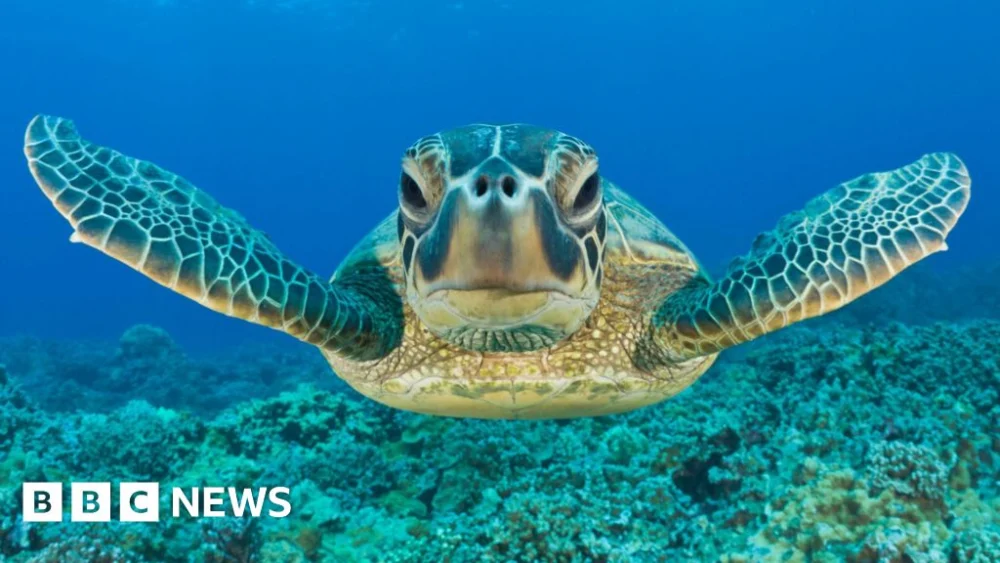
For centuries, the green turtle faced relentless persecution, its populations decimated by human exploitation. These gentle giants were extensively hunted for their meat, famously used in turtle soup, a sought-after delicacy in many cultures. Their eggs were considered a prized food source, often plundered from nesting beaches, while their beautiful shells were coveted for decorative items and ornaments, fueling a brutal trade that paid little heed to the species’ survival. This systematic overexploitation, coupled with their naturally slow reproductive cycle and long maturation period, caused their numbers to plummet dramatically. By the 1980s, the grim reality of their situation led to the green turtle being officially listed as endangered by the International Union for Conservation of Nature (IUCN), a stark warning of their impending disappearance.
However, the tide has turned. Thanks to decades of unwavering commitment and coordinated global conservation initiatives, new data now unequivocally demonstrates that green turtle populations are rebounding across various critical habitats worldwide. This remarkable resurgence is the direct result of a multi-faceted approach, encompassing everything from direct protection of nests and controlled release of hatchlings on vital nesting beaches, to innovative strategies aimed at reducing accidental capture in commercial fishing nets.
"We must use this win as a catalyst to achieve numerous other wins," urged Dr. Nicolas Pilcher, a leading authority from the Marine Research Foundation, a non-profit organization based in Sabah, Malaysia, emphasizing the motivational power of this success story. Indeed, the green turtle’s recovery provides a tangible example of what can be achieved when scientific research, community engagement, and policy implementation converge.
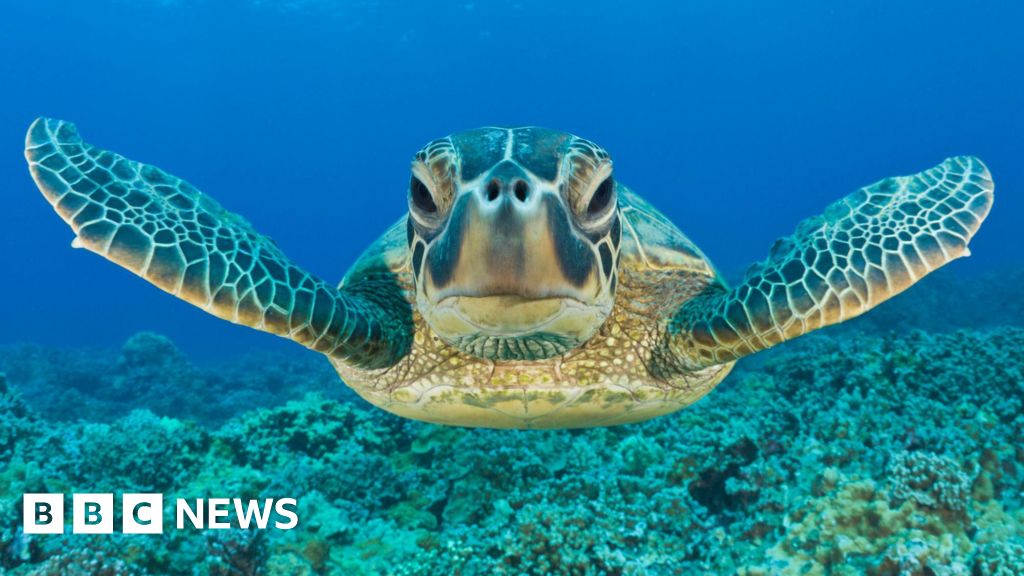
Green turtles are distinguished as one of the largest species of sea turtles, capable of growing up to 1.5 meters (5 feet) in length and weighing over 300 kilograms (660 pounds). They are named not for the colour of their shells, which typically range from olive to black, but for the greenish hue of their body fat, a characteristic derived from their unique, predominantly plant-based diet. Unlike most other sea turtle species, green turtles are primarily herbivorous as adults, grazing on vast seagrass meadows and algae, playing a crucial role in maintaining the health and productivity of these vital marine ecosystems. They are one of the seven extant species of sea turtles, a group that tragically includes two critically endangered species, such as the Hawksbill and Kemp’s Ridley, highlighting the ongoing fragility of marine turtle populations globally.
Professor Brendan Godley, a distinguished conservation scientist at the University of Exeter, echoed the sentiment of optimism, noting that green turtle populations in many regions are exhibiting clear signs of recovery due to the intensive conservation efforts implemented over the past five decades. While acknowledging that continuous vigilance and ongoing work are paramount for years to come, he affirmed that this progress provides substantial cause for hope and celebration. "Sea turtles are iconic and charismatic species… they inspire people," Prof. Godley stated, underscoring their symbolic importance. "Hundreds of thousands of people have been working for decades to try and look after these creatures, and undoubtedly, it has had an impact."

The comprehensive conservation strategies employed have been diverse and far-reaching. These include the rigorous patrolling of nesting beaches during crucial breeding seasons to deter poachers and protect nesting females and their vulnerable clutches of eggs. In many instances, eggs are carefully relocated from high-risk areas to protected hatcheries, increasing their chances of survival. Once hatchlings emerge, they are often guided or released directly into the sea, bypassing natural predators and navigating obstacles. Education and awareness campaigns have played a vital role in shifting local perceptions, discouraging the killing of turtles for meat and the collection of their eggs, fostering a sense of stewardship within coastal communities. Furthermore, significant technological advancements have been made in fishing practices, with the widespread adoption of Turtle Excluder Devices (TEDs) in trawl nets and the use of modified fishing gear, such as circle hooks, which significantly reduce the accidental capture and mortality of turtles in commercial fisheries.
The news of the green turtle’s uplifted status was revealed at the recent IUCN World Congress held in Abu Dhabi, an assembly where the global state of biodiversity is assessed and critical conservation challenges are addressed. The IUCN Red List of Threatened Species, a comprehensive inventory of the conservation status of biological species, remains a sobering document, currently listing an alarming 172,620 species, with a staggering 48,646 of them facing an immediate threat of extinction.
The categorization of species on the Red List is a dynamic process. Species are regularly re-evaluated and moved between categories as new scientific data emerges, reflecting changes in their population trends, habitat health, or the intensity of prevailing threats. If a species’ risk increases—for example, due to a sharp decline in numbers or extensive habitat degradation—it may be elevated to a higher-risk category, such as Critically Endangered or Endangered. Conversely, if a species demonstrates recovery through successful conservation interventions, it may be reclassified to a lower-risk category like Near Threatened or Least Concern. It is in this context that the green turtle’s status has been downgraded from Endangered to Least Concern, a monumental achievement that underscores the power of human intervention.

However, this triumph, while significant, is not a signal to relax efforts. Despite these encouraging gains, green turtle populations globally are still considerably below their historical numbers, a stark reminder of the long road ahead. They continue to face a litany of ongoing threats that demand sustained attention. Bycatch in fishing gear, though mitigated by TEDs, remains a substantial challenge in many regions. Habitat loss and degradation, driven by coastal development, pollution from land-based sources, and marine debris, continue to imperil both nesting beaches and vital foraging grounds like seagrass meadows.
Perhaps the most insidious and overarching threat is climate change. Rising sea levels directly threaten nesting beaches, submerging critical habitat. Ocean acidification can impact the availability of their primary food sources. Crucially, the temperature-dependent sex determination of sea turtles means that warmer sands on nesting beaches lead to a disproportionate number of female hatchlings, potentially skewing sex ratios and jeopardizing the long-term reproductive viability of populations. In specific locations, such as Raine Island, Australia, a globally significant green turtle nesting site, fewer baby turtles are successfully hatching, serving as a stark warning that climate change impacts are already undermining conservation gains and necessitate urgent, adaptive strategies. The pervasive issue of plastic pollution, leading to entanglement and ingestion, also continues to plague these marine inhabitants.
The latest update to the IUCN Red List also brought somber news for other vital species, particularly those in the Arctic. Arctic seals, including the hooded, bearded, and harp seals, are facing an increasingly dire future as the rapid loss of sea ice, driven by anthropogenic climate change, pushes them closer to extinction. The hooded seal, for instance, has been reclassified from Vulnerable to Endangered, reflecting a critical decline. Similarly, the bearded and harp seals have moved to the Near Threatened category, their survival increasingly precarious due to the accelerating disappearance of their icy habitat. These Arctic seals are intrinsically dependent on sea ice for essential life functions: it serves as their primary platform for breeding, raising their pups, resting between foraging trips, and providing refuge from predators. The diminishing expanse of sea ice directly imperils their ability to reproduce, feed, and survive, underscoring the urgent need for comprehensive action against climate change, which presents complex and varied threats to global biodiversity, simultaneously offering triumphs and presenting immense challenges.




 Roy Suryo

 Nakalama John
 atisusanti
 Ramos Leo
