
 Nana Banana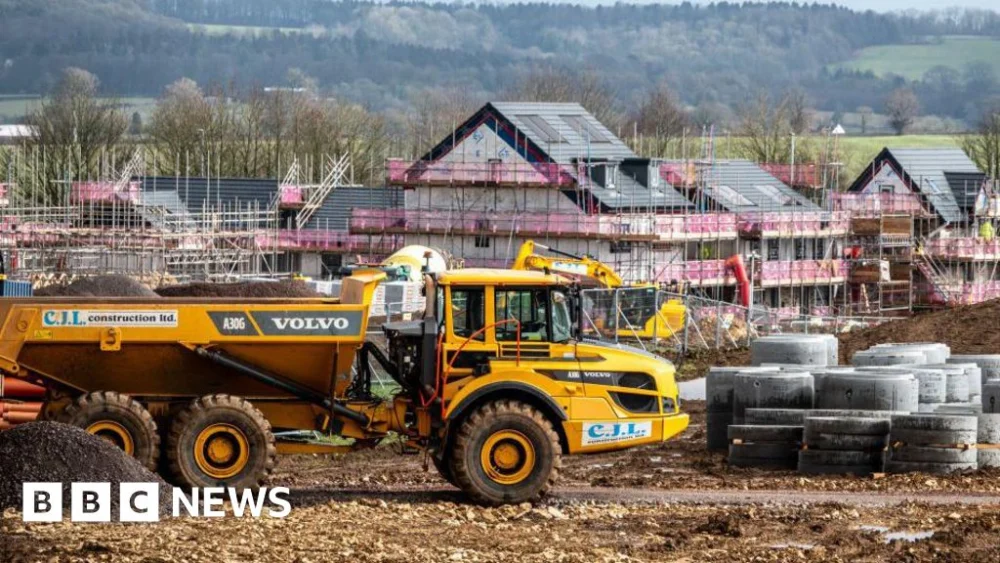
For nearly two years, the BNG policy has been a cornerstone of England’s environmental legislation, requiring new developments to achieve a 10% increase in biodiversity compared to the pre-development state. This landmark policy aimed to ensure that construction not only mitigated environmental damage but actively contributed to the enhancement of local ecosystems, pushing developers to integrate nature-positive solutions into their plans or invest in off-site habitat creation. However, a comprehensive review of these regulations by ministers has now culminated in a decision that critics argue fundamentally undermines the policy’s original intent.
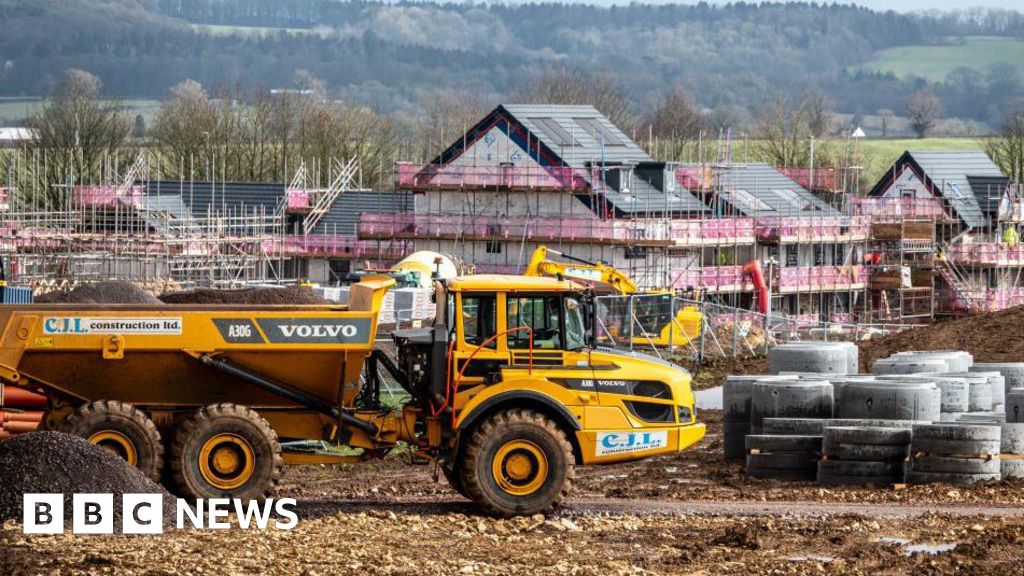
Under the revised framework, a greater number of housing developments will be exempt from the BNG requirements. Specifically, projects covering less than 2,000 square meters of land are now excluded. This exemption is primarily targeted at smaller sites, with the government estimating it will apply to approximately 12,500 new homes annually. While this figure might seem modest in the context of national housing ambitions, nature charities argue that the cumulative impact of numerous small-scale developments, each exempt from contributing to biodiversity, could be substantial and detrimental. Earlier consultations had considered even broader exemptions, including sites up to 10,000 square meters, roughly the size of one to two football fields, making the current 2,000 sq m limit a narrower rollback than initially feared by some, yet still a significant concession.
The changes are part of a sweeping overhaul of England’s planning rules, spearheaded by Matthew Pennycook, Minister of State for Housing. The government’s stated objective is clear: to "get Britain building again" and deliver its ambitious target of 1.5 million new homes within the current parliamentary term. Pennycook acknowledged that these reforms would "not be without their critics," but he underscored the urgency of the situation, describing the housing crisis as a "genuine emergency in parts of Britain." He asserted that the government was prepared to "act where previous governments have failed" to address the acute shortage of affordable and available housing.
Beyond the BNG exemptions, the raft of reforms includes other controversial measures. Among them is a "default yes" approach to planning applications near railway stations, a policy that could open up previously protected areas, including green belt land, for development. To counter some of the environmental concerns, new builds will also be required to incorporate nature-friendly features, such as swift bricks or bat boxes, to support local wildlife. While these measures are presented as a commitment to integrating nature into urban spaces, environmentalists question their efficacy when core protections are simultaneously being weakened.
The reaction from nature-focused groups and charities has been swift and overwhelmingly negative. A joint statement from several prominent conservation organizations expressed profound disappointment, warning that the revisions risk "hollowing-out one of the most important nature protection policies in a generation." Richard Benwell, CEO of Wildlife and Countryside Link, a coalition representing numerous conservation groups, articulated this concern, stating that while the exemptions were "narrower than originally proposed," the situation remained one of "damage limitation, not positive leadership for nature." He highlighted the potential for a cumulative "death by a thousand cuts" scenario, where numerous small, individually insignificant developments collectively decimate local biodiversity.

Craig Bennett, chief executive of The Wildlife Trusts, was even more forthright in his criticism during an interview with the BBC. He accused the government of attempting to "scapegoat nature for a failing economy," arguing that the decision presented a false dichotomy between economic growth and environmental protection. "The British people want to see development for the economy and for nature at the same time," Bennett asserted, "and yet this government seems intent on pitching them as one against the other." He emphasized that a healthy natural environment is not a luxury but a fundamental underpinning of a resilient economy and a good quality of life.
On the other side of the debate, building industry representatives have largely welcomed the government’s move. Critics of the BNG principle, particularly smaller developers, have long complained that the policy adds significant costs and delays to the planning process, rendering some projects financially unviable. Rico Wojtulewicz of the National Federation of Builders (NFB) echoed these sentiments, stating that the BNG policy had made building "harder, more expensive and more complicated." Developers have cited the increased need for ecological surveys, the engagement of specialist consultants, and the often-complex process of securing land for off-site mitigation as major impediments. For small and medium-sized enterprises (SMEs) in the construction sector, these additional burdens can be particularly prohibitive, limiting their capacity to contribute to housing supply. The government’s argument is that by reducing these regulatory hurdles for smaller projects, it will empower a broader range of builders to contribute to the housing stock, thereby increasing supply and potentially easing the crisis.
The changes to England’s Biodiversity Net Gain rules are not the only areas under review. The government has also indicated it will consult on further expanding exemptions for brownfield sites—previously developed land—of up to 25,000 square meters. Concurrently, new measures will be introduced to streamline and reduce the cost and complexity for medium-sized developments to deliver off-site nature improvements. This includes initiatives like the Duxford Habitat Bank in Oxfordshire, a conservation project that actively creates and restores wetland and floodplain habitats to generate "biodiversity units" that developers can purchase to fulfill their BNG obligations. The government hopes that by making such off-site solutions more accessible and affordable, it can balance development needs with ecological compensation, albeit through a more flexible mechanism.

However, the effectiveness and integrity of such "biodiversity banking" systems depend heavily on rigorous monitoring and enforcement, a concern frequently raised by environmental groups. They argue that the cumulative impact of numerous small exemptions, combined with potentially less stringent oversight of off-site mitigation, could lead to a net loss of biodiversity across the country, rather than the intended gain. This decision casts a shadow over the UK’s broader commitments to nature recovery, including targets outlined in its 25 Year Environment Plan and international obligations to halt biodiversity loss. The political implications are also significant, as the government faces pressure from both its backbenchers advocating for deregulation and a public increasingly aware of environmental issues. The delicate balance between addressing a critical housing shortage and safeguarding a rapidly declining natural world remains a contentious and defining challenge for the current administration.




 Roy Suryo

 Nakalama John
 atisusanti
 Ramos Leo
