Nana Banana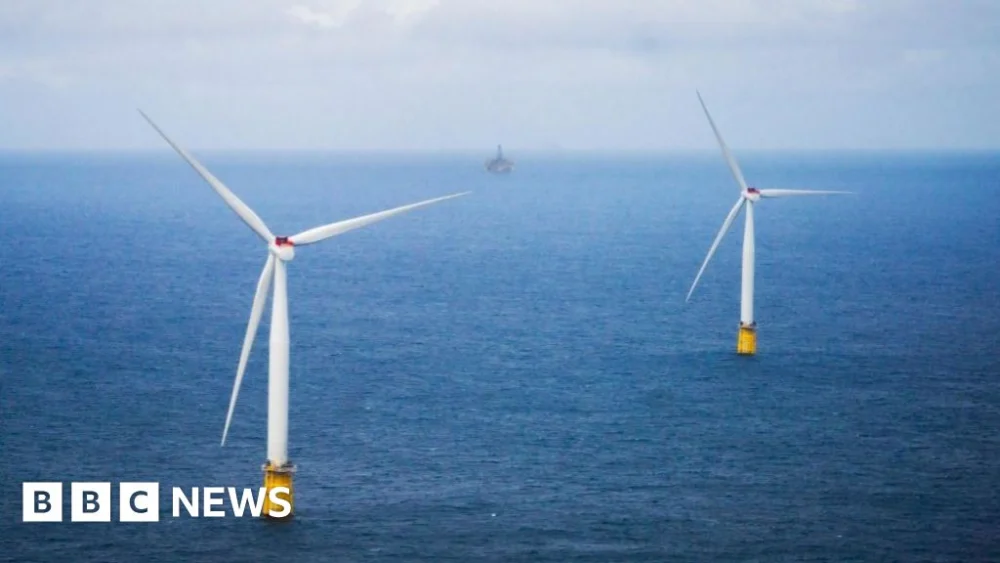
The core of this agreement is a commitment to jointly develop 100 gigawatts (GW) of offshore wind capacity by 2050, as part of a larger regional target of 300 GW for the North Sea. An interim goal mandates that 20 GW of this jointly-built capacity should be operational by 2030, underscoring the urgency and scale of the undertaking. Energy Secretary Ed Miliband is slated to sign the declaration at a high-level meeting focused on the future of North Sea energy infrastructure, emphasizing the UK’s pivotal role in this pan-European endeavor. The government frames this initiative as a crucial escape from what it terms the "fossil fuel rollercoaster," aiming to stabilize energy prices and insulate economies from geopolitical shocks and commodity market volatility.
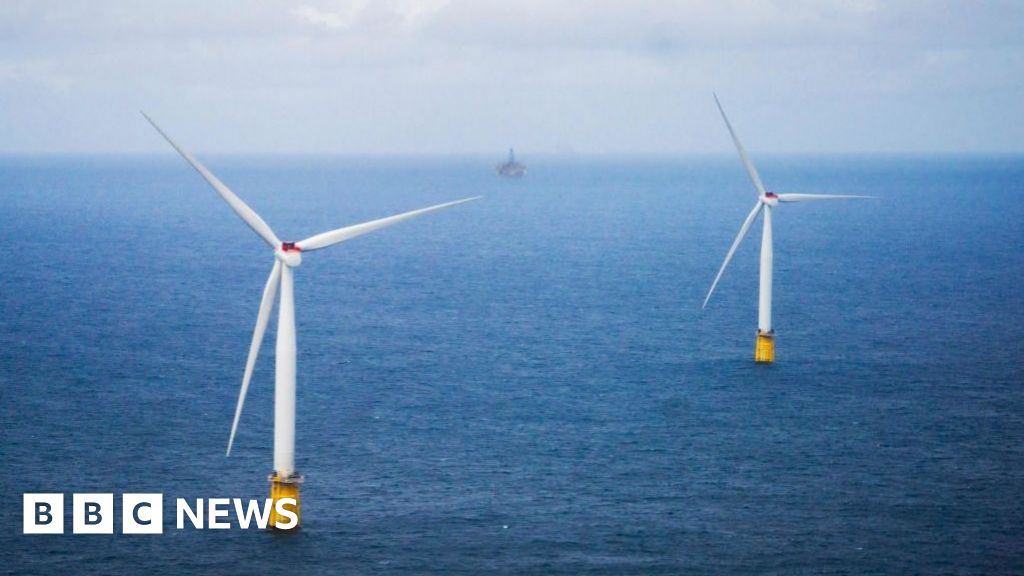
A pioneering aspect of this new project involves the development of "hybrid" offshore wind farms. For the first time, these vast arrays of turbines will be directly linked to multiple countries through advanced undersea cables known as interconnectors. Traditionally, interconnectors merely connect national electricity grids, allowing power to be traded between countries. However, by directly connecting wind farms to the grids of several nations, this innovative approach promises to create a more integrated and resilient European energy system. Proponents argue that this will not only enhance the security of supply but also drive down energy costs across the entire region by optimizing the flow of renewable power.
Jane Cooper, Deputy CEO of the industry body RenewableUK, lauded the forthcoming deal, asserting that it would significantly "drive down costs for billpayers" while simultaneously bolstering "the energy security of the UK and the whole of the North Sea region." The rationale is that a more interconnected grid allows for greater flexibility. When one country experiences a surplus of wind generation, it can export power to a neighbouring country with higher demand or lower renewable output, and vice-versa. This minimizes curtailment (wasting excess renewable energy) and reduces reliance on expensive, fossil-fuel-based peaking power plants. Existing interconnector cables already play a crucial role in smoothing price spikes and facilitating the trade of surplus energy, often leveraging time zone differences or variations in peak demand across Europe.
However, the ambitious project is not without its potential controversies and critics. A significant concern revolves around the mechanism of selling power from these multi-country-connected wind farms. If operators are able to "shop around" and sell their generated electricity to the highest bidder among the connected nations, it could, paradoxically, drive up electricity prices in individual countries when supply is tight. This market dynamic raises questions about national energy sovereignty and consumer protection, particularly during periods of high demand or low renewable output.
The experience of Norway serves as a pertinent case study for these concerns. A nation heavily reliant on its abundant hydropower, Norway has faced domestic backlash over the perceived export of cheap, domestically generated electricity to other European countries via interconnectors. Critics argued that selling power abroad could deplete domestic reserves and lead to higher prices for Norwegian consumers. In response, the Norwegian government implemented new rules to restrict electricity exports when domestic supply security was at risk. Furthermore, Norway notably refused permission for a new interconnector cable to Scotland, highlighting the complex balance between regional energy integration and national interests. This historical precedent underscores the need for robust regulatory frameworks and transparent market mechanisms within the new North Sea agreement.

On the domestic political front, the announcement has drawn mixed reactions. While the government champions the initiative as a pathway to energy independence and a greener future, the opposition has voiced concerns. Claire Coutinho, the Shadow Energy Secretary, warned that "we cannot escape the fact that the rush to build wind farms at breakneck speed is pushing up everybody’s energy bills." This criticism likely refers to the contract-for-difference (CfD) mechanism, where the government guarantees a strike price for offshore wind, and if wholesale prices fall below this, consumers pay the difference. The Conservatives have also previously criticised the government for "locking in" high offshore wind prices through past contract allocations.
Beyond the main parties, other political groups have weighed in. Reform UK has consistently attacked the overall cost of net-zero policies, suggesting that such large-scale renewable projects place an undue financial burden on taxpayers and consumers. Conversely, the Liberal Democrats and Green Party strongly support the expansion of renewables, viewing it as essential for tackling climate change, boosting green jobs, and fostering economic innovation. Scotland’s SNP and Wales’ Plaid Cymru also advocate for the growth of offshore wind, but with a specific emphasis on the need for Scotland and Wales to retain greater control over their significant energy resources, including offshore wind potential in their respective waters.
The international dimension of the agreement extends beyond energy, touching upon geopolitical security. NATO and the European Commission are actively participating in the Hamburg summit, underscoring rising concerns over the security of critical offshore energy infrastructure. Recent events, such as suspected sabotage of pipelines, have highlighted the vulnerability of undersea cables and platforms. The expected pledges from the summit will likely include commitments to strengthen security measures, enhance surveillance, and coordinate responses to unsafe maritime activity, ensuring the resilience of this vital new energy network. This collective commitment to wind power comes despite renewed criticism from figures like former US President Donald Trump, who again attacked "windmills" during a recent speech at the World Economic Forum in Davos, demonstrating a stark transatlantic divergence in renewable energy policy rhetoric.
Globally, the race for offshore wind dominance is intensifying. A report last year by RenewableUK revealed that China currently leads the world, boasting 43 GW of the global 83 GW of installed offshore wind capacity. This puts Europe’s ambitious 300 GW North Sea target into perspective, showcasing the scale of investment and development required to catch up and maintain leadership in renewable energy technology. The joint effort, therefore, is not merely about energy security and climate goals but also about securing Europe’s industrial competitiveness and technological edge in the burgeoning green economy. The collaboration will necessitate significant investment, complex logistical coordination, and continuous technological innovation to overcome the inherent challenges of developing such vast infrastructure in a dynamic marine environment.
This historic agreement represents a profound commitment by the UK and its European partners to reshape their energy future. While promising significant benefits in terms of energy security, price stability, and climate action, it also brings complex economic and political challenges that will require careful navigation. The success of this collaborative vision hinges on effective governance, robust market design, and a sustained political will to overcome obstacles and realize the North Sea’s potential as a global powerhouse of green energy.



 Roy Suryo