Roy Suryo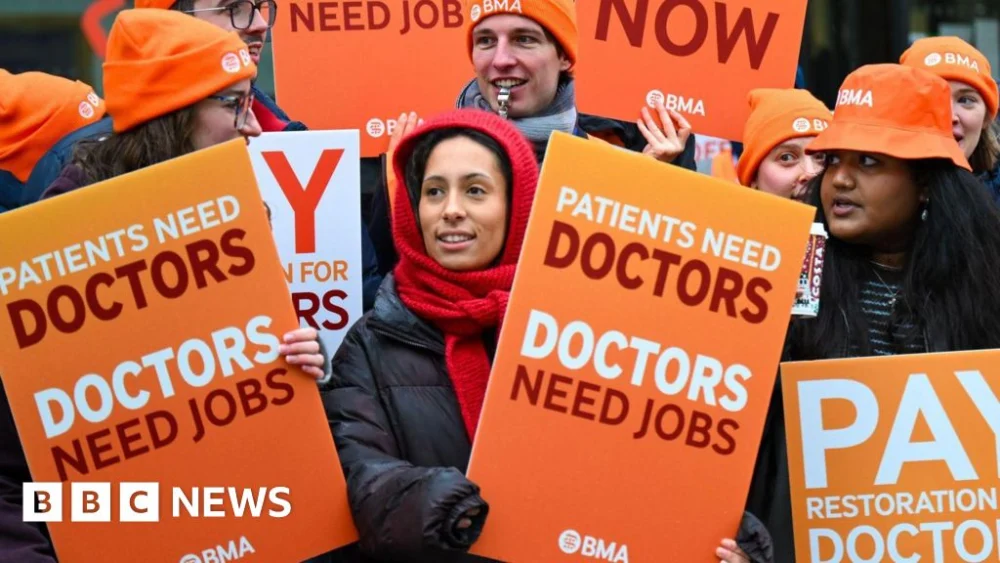
Resident doctors in England have overwhelmingly voted in favour of further strike action, extending the mandate for walkouts in their protracted dispute with the government over pay and the availability of training posts. The British Medical Association (BMA) confirmed that its members have given the union a fresh six-month mandate to orchestrate further industrial action, though specific dates for new strikes have not yet been announced. This latest development signifies a continued escalation of the industrial unrest that has plagued the National Health Service (NHS) since the spring of 2023, having already resulted in a significant number of disruptive walkouts.
The current dispute, which has seen doctors withdraw their labour on 14 separate occasions, has been ongoing for a considerable period. The recent vote comes in the wake of a month-long period of intensive talks between the BMA and government representatives, a dialogue initiated following the most recent strike action which concluded just before Christmas. The results of the ballot underscore the depth of dissatisfaction among resident doctors, with an impressive 93% of BMA members casting their vote in favour of continuing the industrial action. The turnout for this crucial ballot stood at a healthy 53%, demonstrating a strong engagement from the affected medical professionals.
Dr. Jack Fletcher, the BMA’s resident doctor leader, articulated the frustration felt by the profession, stating that ministers should not be surprised by the outcome. He highlighted the perceived betrayal of promises regarding fair pay, pointing out that doctors have been "recommended a pay cut this year by the same health secretary who promised a journey to fair pay." This sentiment stems from the government’s proposal of a 2.5% pay increase for resident doctors, effective from April. Dr. Fletcher also raised significant concerns about the lack of adequate training positions, arguing that "without thousands more training posts, the bottlenecks in medical training are going to continue to rob brilliant young doctors of their careers." He emphatically stated that doctors have "clearly said that is not acceptable" through their ballot.
Despite the strong mandate for further action, Dr. Fletcher also acknowledged a recent shift in the government’s approach, noting an "improved approach in tone" during recent weeks. He expressed optimism that a resolution is attainable, suggesting that "a deal is there to be done: a new jobs package and an offer raising pay fairly over several years can be worked out through good will on both sides, in the interests of patients, staff and the whole NHS." This indicates a willingness from the BMA to negotiate, provided the government demonstrates genuine commitment to addressing their core concerns.
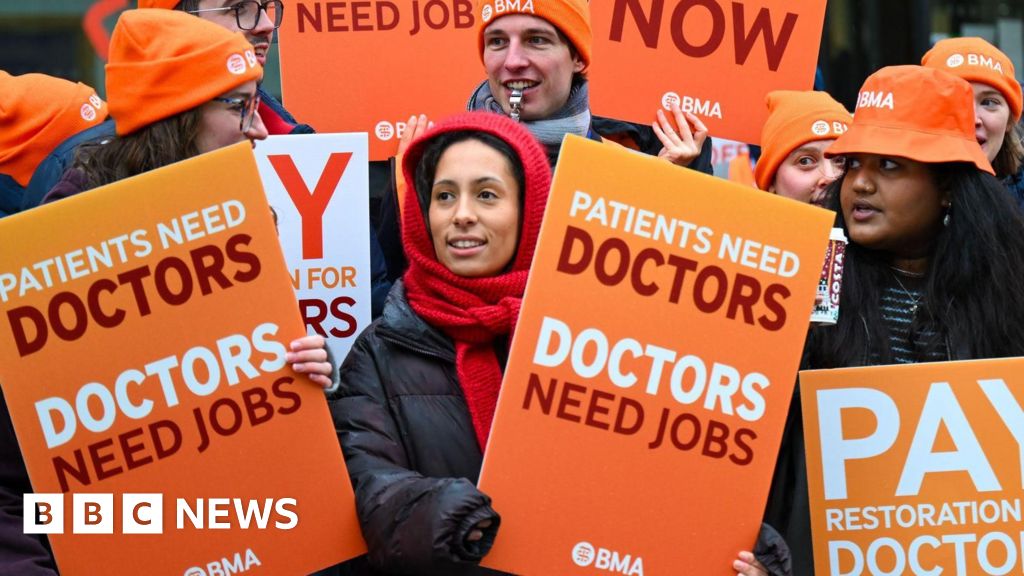
The crux of the BMA’s pay argument centres on the real-terms erosion of earnings for resident doctors. While the union acknowledges that doctors have received cumulative pay rises totalling nearly 30% over the past three years, they contend that this increase is insufficient to offset inflation. Once the impact of inflation is factored in, the BMA asserts that the current pay for resident doctors remains a significant one-fifth lower than it was in 2008. This sustained decrease in real income is a major driver of the ongoing industrial action.
Beyond pay, the shortage of training posts represents another critical pillar of the dispute. The BMA highlights a significant jobs deficit at a pivotal stage of medical training. Resident doctors, formerly referred to as junior doctors, transition into specialized training programmes after completing their initial two years of practice. The current system is demonstrably struggling to accommodate the demand, with over 30,000 applicants vying for just 10,000 available training posts at this level in the most recent recruitment cycle. While acknowledging that some of these applicants may be international medical graduates, the sheer volume of domestic applicants facing limited opportunities underscores a systemic issue within the NHS training infrastructure. This bottleneck not only hinders the career progression of aspiring specialists but also has implications for the future supply of consultants across various medical disciplines.
In response to the ballot result and the ongoing dispute, a spokesperson for the Department of Health and Social Care (DHSC) stated that the government has been engaged in "intensive and constructive discussions with the BMA since the start of the new year." The DHSC’s stated objective is to "bring an end to the damaging cycle of strikes and avoid further unnecessary disruption for patients and NHS staff." The department expressed its hope that these ongoing talks will lead to "an agreement that works for everyone," with a clear aspiration to prevent "any more strike action by resident doctors in 2026." This statement suggests a recognition of the need for a resolution and an acknowledgement of the impact of prolonged industrial action on both the public and the healthcare system.
The implications of this vote extend far beyond the immediate concerns of resident doctors. It signals a continued period of uncertainty for the NHS, which has already been stretched thin by years of underfunding and increasing demand. The potential for further strikes raises concerns about cancelled appointments, postponed surgeries, and the overall impact on patient care. The government faces mounting pressure to find a sustainable solution that addresses the legitimate grievances of its medical workforce, not only to avert further industrial action but also to ensure the long-term health and viability of the NHS. The current situation highlights the complex interplay of economic pressures, workforce planning, and the fundamental need to retain and support the doctors who form the backbone of the healthcare service. The coming weeks will be crucial in determining whether the current dialogue can translate into a tangible agreement or if the dispute will continue to cast a shadow over the nation’s health service. The BMA’s stance, reinforced by this decisive vote, indicates that they will not back down until meaningful progress is made on both pay restoration and the critical issue of training capacity.




 Nakalama John
 atisusanti
 Ramos Leo