atisusanti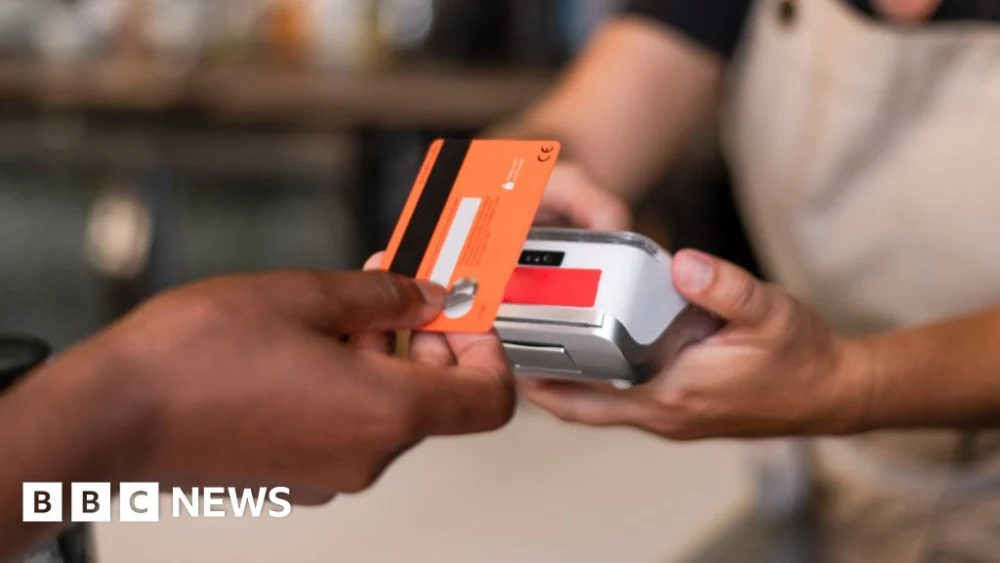
The FCA has stipulated that while card providers are not mandated to implement immediate changes to the current limit from March, they will possess the flexibility to do so should they deem it appropriate. The history of contactless payment limits in the UK illustrates a progressive increase since its introduction in 2007, when the transaction ceiling was a modest £10. This limit saw incremental rises to £15 in 2010, £20 in 2012, and £30 in 2015. The onset of the COVID-19 pandemic served as a catalyst for further adjustments, prompting an increase to £45 in 2020, followed by the current £100 limit, which was implemented in October 2021.
It is noteworthy that while physical contactless cards are capped at £100, payments made via smartphones using contactless technology already permit spending any amount without the requirement for a PIN. This enhanced security for mobile payments is facilitated by inherent biometric authentication features such as thumbprint and facial recognition.
However, the prospect of removing or significantly increasing contactless card limits has ignited concerns regarding the potential for increased attractiveness to thieves and fraudsters, who could exploit the ability to make high-value payments with a simple tap of a card. Existing security measures, such as the requirement to enter a PIN after a series of consecutive contactless transactions, are in place to mitigate some of these risks. David Geale, executive director of payments and digital finance at the FCA, has reassured the public that consumers will continue to be protected and reimbursed in the event of fraudulent transactions. He highlighted that "Contactless is people’s favoured way to pay," underscoring its widespread adoption and convenience.
Speaking on the BBC’s Today programme, Mr. Geale elaborated on the rationale behind the regulatory change, suggesting that rigid limits, while effective, can sometimes "slow things down." The FCA’s objective is to "give banks and payment firms greater flexibility to set their own approach to contactless payment, where they see low risk of fraud." In practical terms, this means that banks and payment companies will have the discretion to establish limits tailored to their customer base. The FCA’s "really encouraging" message, according to Mr. Geale, is for these institutions to "open up that flexibility for customers to set their own limits." This move aligns the UK with international practices, as countries like Canada, Australia, and New Zealand already permit their respective industries to set contactless card limits. Jana Mackintosh, managing director of payments and innovation at UK Finance, the industry body representing banks, affirmed that "Any changes made in the future will be done carefully and ensure strong security and fraud controls remain in place," signalling a commitment to maintaining robust consumer protection.
The FCA’s own consultation on these rule changes revealed a significant sentiment among consumers, with a substantial 78% of respondents expressing no desire for any alteration to the existing contactless payment limits. This public sentiment is echoed by consumer groups and academics who have voiced concerns that the enhanced convenience of unlimited contactless payments could inadvertently encourage impulsive spending. This is a particular worry in the context of credit cards, where consumers may accumulate debt by spending borrowed funds without adequate consideration.
Further complicating the issue are warnings from financial abuse charities. They have expressed apprehension that unlimited contactless spending could provide perpetrators with unfettered access to drain a survivor’s bank account, potentially without any immediate alerts or checks. These charities also fear that the move could accelerate the transition towards a cashless society, a scenario that poses significant challenges for financial abuse survivors who rely on cash transactions as a discreet and secure alternative, as their card transactions can be monitored online by their abusers. In recognition of the challenges faced by vulnerable customers in accessing cash, particularly with the ongoing closure of bank branches, the development of shared banking hubs is being pursued. Cash Access UK, an organisation dedicated to safeguarding access to cash across the nation, recently announced the opening of its 200th banking hub in Billericay, Essex, marking a milestone in providing essential banking services to communities.
The shift in policy by the FCA, allowing for increased flexibility in contactless payment limits, represents a delicate balancing act between enhancing consumer convenience and mitigating potential risks. While the convenience of tapping a card for larger purchases is undeniable, the inherent security concerns, particularly for vulnerable individuals and those susceptible to financial coercion, cannot be overlooked. The FCA’s emphasis on encouraging banks to offer personalised limits and the continued assurance of fraud protection are crucial elements in navigating this evolving payment landscape. The historical trajectory of contactless limits, steadily increasing over time, reflects a societal adaptation to digital payments. However, the debate surrounding unlimited spending highlights the ongoing need for robust consumer education and protection measures to ensure that technological advancements in finance serve to empower rather than endanger individuals. The coming months will reveal the extent to which banks embrace this new flexibility and how consumers adapt to a system that offers greater autonomy but also demands increased personal vigilance.



 Roy Suryo