Nana Banana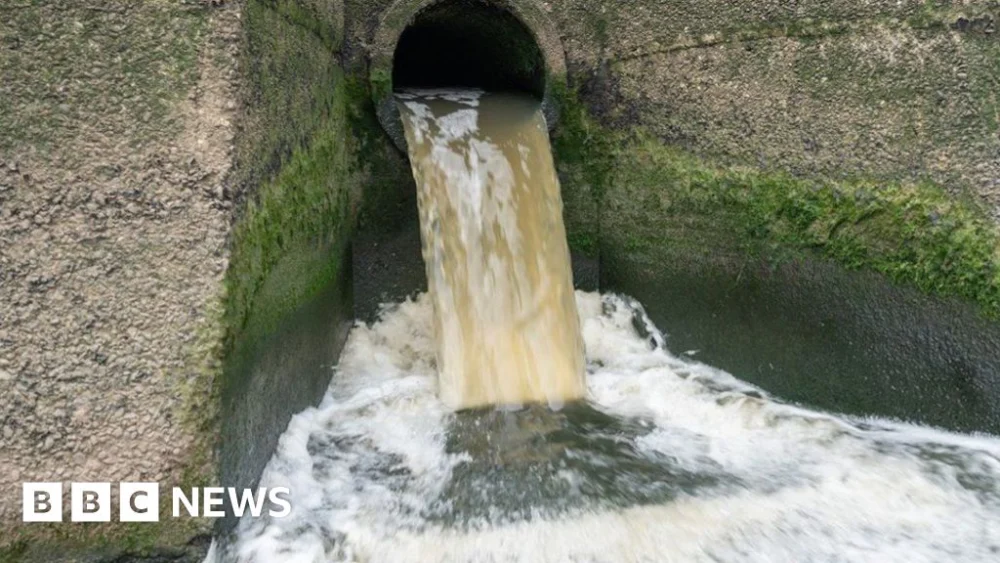
The proposed changes are substantial and are expected to take several years to fully implement, requiring both new legislative powers for the Senedd and significant financial investment that officials acknowledge cannot be borne solely by customer bills. The announcement, made by Deputy First Minister Huw Irranca-Davies at the scenic Lisvane and Llanishen reservoirs, signalled a "fundamental reset" for the sector. He underscored the urgency of the reforms, citing the pressing challenges posed by climate and nature emergencies, the deteriorating state of ageing infrastructure, and widespread public concern over water quality across Wales. This bold move comes in direct response to a major independent review, commissioned amid escalating public anger regarding the performance of water companies and the alarming frequency of pollution incidents. That review had called for a complete overhaul of industry oversight in both Wales and England, highlighting systemic failures and a lack of robust enforcement.
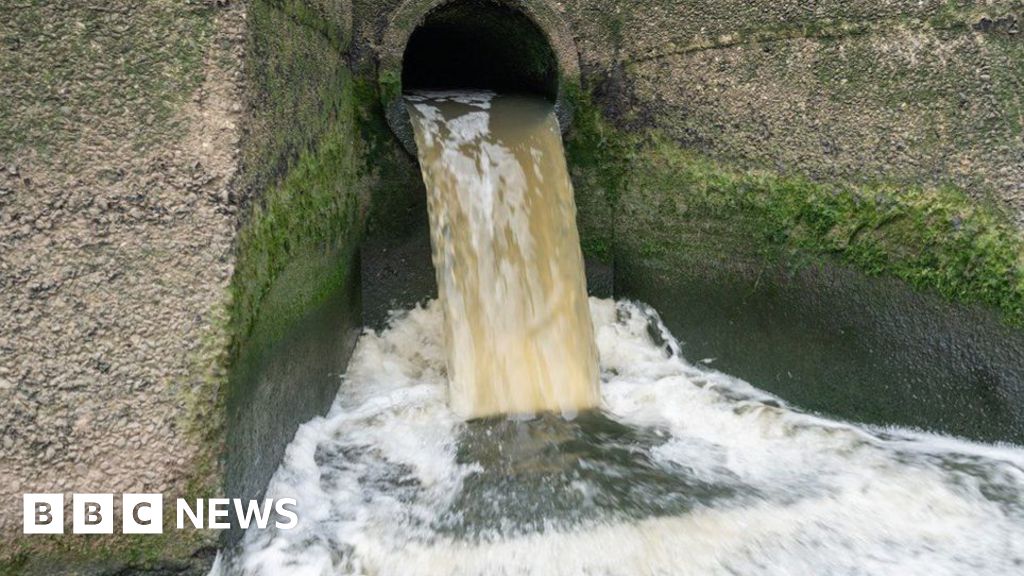
The situation in Wales is distinct from England’s, where the UK government previously outlined its own response in January, pledging a new water watchdog for England focused on unannounced inspections and regular "MOT-style" checks on infrastructure. While control over water policy in Wales is largely devolved to Cardiff Bay, the interconnected nature of the water system, particularly for cross-border water companies, necessitates some degree of coordination and careful distinction in regulatory approaches. The Welsh government’s vision includes establishing a bespoke regulatory body, tailored to the specific needs and challenges of Wales. This new entity would be instrumental in supporting long-term investment strategies, taking on a crucial national planning role to coordinate and oversee the much-needed upgrade of the country’s extensive, and often dilapidated, network of pipes and sewers. The aim is to foster "a more integrated and responsive approach to managing water" across all its facets, from abstraction to wastewater treatment and discharge.
However, a key divergence from England’s proposed model is that environmental regulation and the direct oversight of pollution incidents in Wales will continue to fall under the remit of Natural Resources Wales (NRW), rather than being consolidated into one large water watchdog. This decision maintains a separation of economic and environmental regulation, a model that proponents argue allows for specialised focus and expertise in each area. Getting this new Welsh water organisation fully operational will involve navigating a complex legislative pathway. It will first require Wales to formally request new powers from the UK government, followed by the passage of specific legislation within the Senedd. Given these procedural requirements, the new body is not anticipated to be fully up and running until the early 2030s, underscoring the long-term nature of this reform agenda.
A cornerstone of the shake-up is the commitment to developing a new national water strategy for Wales, designed to provide a comprehensive framework for the next quarter-century. This forward-looking document will replace the existing strategy, which dates back to 2015, and will address critical issues such as water resource management, supply resilience, wastewater treatment, flood risk, and the ecological health of rivers and coastal waters. A significant area of concern identified for review is the current system of water companies’ self-monitoring and reporting of their performance, particularly concerning pollution incidents. Recognising widespread public and expert doubts about the robustness and accuracy of these self-assessment systems, the government plans to implement measures to "provide greater assurance." This could involve a substantial increase in automated monitoring systems, which offer real-time data and reduce reliance on manual reporting, alongside a more frequent and rigorous regime of independent inspections. These steps are intended to enhance transparency, accuracy, and ultimately, accountability within the industry.
Among the most welcomed proposals, particularly by environmental groups, are the tougher controls slated for the spreading of sewage and septic tank sludge on agricultural land. This practice, historically employed as a fertiliser, has become a significant environmental hazard, contributing substantially to high nutrient levels in Welsh rivers. The inappropriate application of this material has been linked to severe water quality degradation, including eutrophication, harmful algal blooms, and oxygen depletion, which can be catastrophic for aquatic ecosystems and biodiversity. Beyond raw sewage sludge, the proposals also seek to limit the use of digestate derived from anaerobic digestion plants, which, while a product of waste treatment, can also contribute to nutrient pollution if not managed correctly.
Afonydd Cymru, the organisation representing river trusts across Wales, expressed strong support for the government’s proposals, describing them as offering "a beacon of hope" for the nation’s beleaguered rivers. Chief executive Gail Davies-Walsh specifically highlighted her organisation’s encouragement regarding the planned controls on sludge spreading, identifying it as one of the "chief contributors to high nutrient levels in Welsh rivers" and a cause of "specific, catastrophic incidents." While acknowledging the significant potential for positive change, Davies-Walsh also issued a plea for ministers to act with urgency, reminding stakeholders that the proposals are currently at the consultation stage and "nothing yet is set in stone." She further pointed to the "thorny issue" of funding, reiterating the government’s own admission that "more money will be required than can be raised through water bills," a challenge that needs swift and decisive resolution.
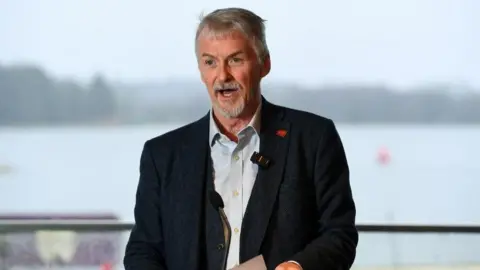
Derek Walker, Wales’ Future Generations Commissioner, echoed these sentiments, characterising the announcement as a much-needed "wake-up call for the water industry." He stressed the imperative that "everything must be done to ensure the transition to a new body happens without delay," emphasising the critical need to deliver long-term environmental recovery, ensure affordability for consumers, and significantly strengthen compliance and regulation. Meanwhile, Chris Walters, the interim CEO of Ofwat, the current economic regulator for the water industry in England and Wales, confirmed that the organisation would support the ongoing work to develop a new regulatory body in Wales and would "remain committed to the delivery of our core functions" during this transitional period.
The public and interested parties have until early April to provide their feedback on these comprehensive proposals through a formal consultation process. The success of this ambitious shake-up will ultimately hinge on the Welsh government’s ability to secure the necessary legislative powers, unlock substantial and diverse funding streams beyond customer bills, and maintain unwavering political resolve over the coming years. If successfully navigated, these reforms hold the potential to transform Wales’ water landscape, leading to genuinely cleaner rivers, a more resilient infrastructure, and a water industry that is truly accountable to its customers and the environment it serves, thereby delivering on the promise of a healthier future for all.



 Roy Suryo