
 Roy Suryo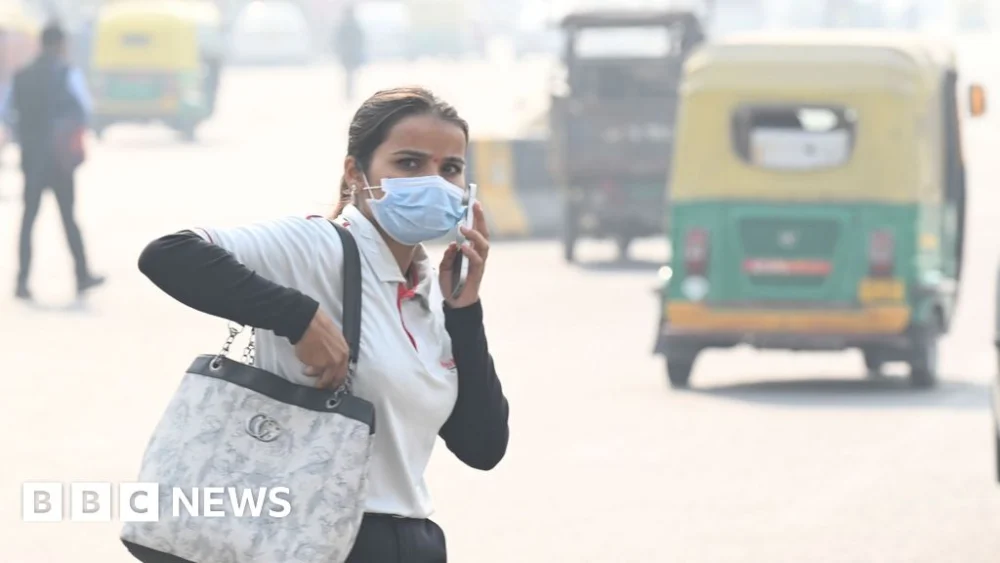
A groundbreaking global analysis has revealed that a staggering seven million cancer cases annually could be prevented. This landmark finding, emerging from the first comprehensive global assessment of preventable cancer causes, highlights a powerful opportunity to significantly reduce the global cancer burden. The report, compiled by scientists from the World Health Organization (WHO), estimates that a substantial 37% of all cancers are attributable to a combination of infectious agents, lifestyle choices, and environmental pollutants – factors that are demonstrably avoidable.
Among the key preventable causes identified are cervical cancers, which are primarily caused by human papillomavirus (HPV) infections. The report emphasizes that widespread vaccination programs against HPV can dramatically reduce the incidence of this particular cancer. Furthermore, a vast array of other tumors are directly linked to tobacco smoke from cigarettes, underscoring the persistent and devastating impact of smoking. The researchers behind the report have articulated that their findings present a "powerful opportunity" to transform the lives of millions worldwide.
While acknowledging that some cancers are an inevitable consequence of the aging process and the unavoidable accumulation of DNA damage, or due to inherited genetic predispositions, the report strongly refutes the notion that cancer is an insurmountable foe. Dr. Isabelle Soerjomataram, a lead researcher on the study, noted that the finding that nearly four in ten cancers are preventable often comes as a surprise to the public, given the sheer magnitude of this figure.
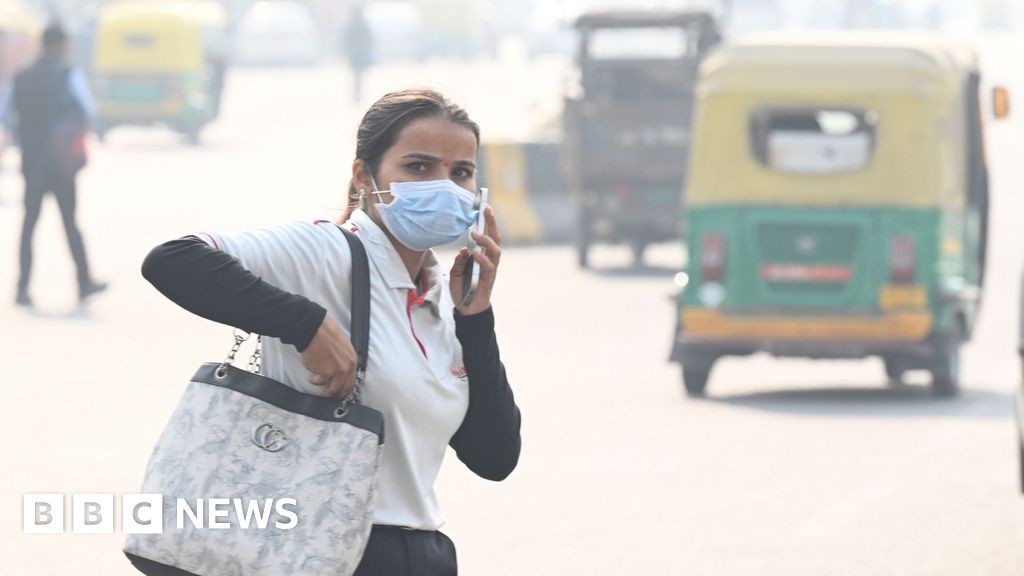
The International Agency for Research on Cancer (IARC), an integral part of the WHO, meticulously analyzed 30 known risk factors that contribute to an increased risk of developing cancer. These factors span a wide spectrum, including well-established culprits like smoking and exposure to ultraviolet (UV) radiation, both of which are known to directly damage cellular DNA. The report also points to the insidious role of obesity and insufficient physical activity, which disrupt the body’s delicate balance of inflammation and hormones, thereby elevating cancer risk. Even environmental pollutants, such as air pollution, were found to play a role, potentially "waking up" dormant cancer cells.
Beyond behavioral and environmental factors, the IARC’s report delved into nine cancer-causing infections. This category includes the aforementioned HPV, hepatitis viruses that are strongly linked to liver cancer, and the common stomach bacterium Helicobacter pylori (H. pylori), a known contributor to stomach cancer.
To arrive at their comprehensive statistics, the research team utilized data on cancer incidence from 2022, alongside data on the prevalence of the 30 identified risk factors a decade prior. This extensive analysis covered 185 countries, providing a truly global perspective on the issue.
The report identified three primary contributors to the more than 18 million cancer cases diagnosed globally each year: smoking, alcohol consumption, and the human papillomavirus (HPV) infection. While the exact breakdown of their contribution can vary by region and demographic, these three factors consistently emerge as major drivers of preventable cancers.
However, the overall figures, while alarming, mask a more nuanced and complex picture of cancer risk across different populations. A striking disparity is evident between the sexes, with 45% of cancers in men being preventable compared to 30% in women. This difference is partly attributed to historically higher rates of smoking among men in many parts of the world.
Delving deeper into regional variations, the report highlights that in Europe, for women, smoking remains the leading preventable cause of cancer, closely followed by infections and then obesity. In stark contrast, in sub-Saharan Africa, infections emerge as the dominant factor, accounting for nearly 80% of preventable cancers in women. This significant regional variation underscores the critical need for tailored public health interventions and cancer prevention strategies that are sensitive to local contexts and specific risk profiles.
Dr. Soerjomataram, who also serves as the deputy head of the IARC Cancer Surveillance Unit, emphasized the significance of this "landmark study." He described it as a "comprehensive assessment of preventable cancer worldwide, incorporating for the first time infectious causes of cancer alongside behavioural, environmental, and occupational risks." He further reiterated that "Addressing these preventable causes represents one of the most powerful opportunities to reduce the global cancer burden."
The comprehensive findings of the report, which have been published in the esteemed journal Nature Medicine, revealed that lung cancer (strongly linked to smoking and air pollution), stomach cancer (associated with H. pylori infection), and cervical cancer (linked to HPV infection) collectively account for nearly half of all preventable cancer cases globally.
Dr. Andre Ilbawi, the team lead for cancer control at the WHO, characterized the study as "good news" because it unequivocally demonstrates that meaningful action can be taken to combat cancer. He pointed to the demonstrable successes achieved by countries that have implemented robust policies to curb smoking rates and have successfully rolled out vaccination programs against HPV. "The percentage of preventable cancers can change over time and our goal is to get it as close to zero as possible," he stated, expressing a resolute commitment to ongoing efforts in cancer prevention. The report serves as a powerful call to action, providing the scientific evidence needed to inform and invigorate global efforts to prevent millions of cancer deaths each year.




 Nakalama John
 atisusanti
 Ramos Leo
