Nana Banana
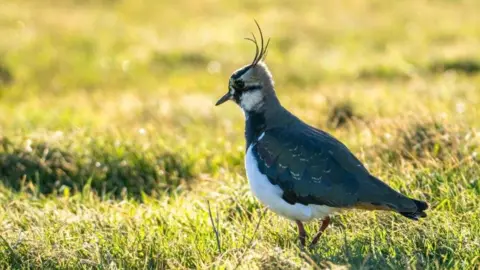
These particular barges, once integral to the bustling trade of the Port of London, ferrying essential commodities such as coal, various industrial materials, building supplies, and even foodstuffs, have now been repurposed for an entirely different, yet equally crucial, role. After spending more than three decades moored in Essex waters, their operational days long behind them, these venerable vessels have embarked on a remarkable second life. They were carefully filled and subsequently covered with layers of sediment, creating a robust, elevated landmass designed to serve as a secure haven for a variety of avian inhabitants. Among the beneficiaries are several species facing significant decline, including the nimble dunlin, the distinctive curlew, the charming ringed plover, and the iconic lapwing, all of which are expected to find sanctuary on this newly formed "island."
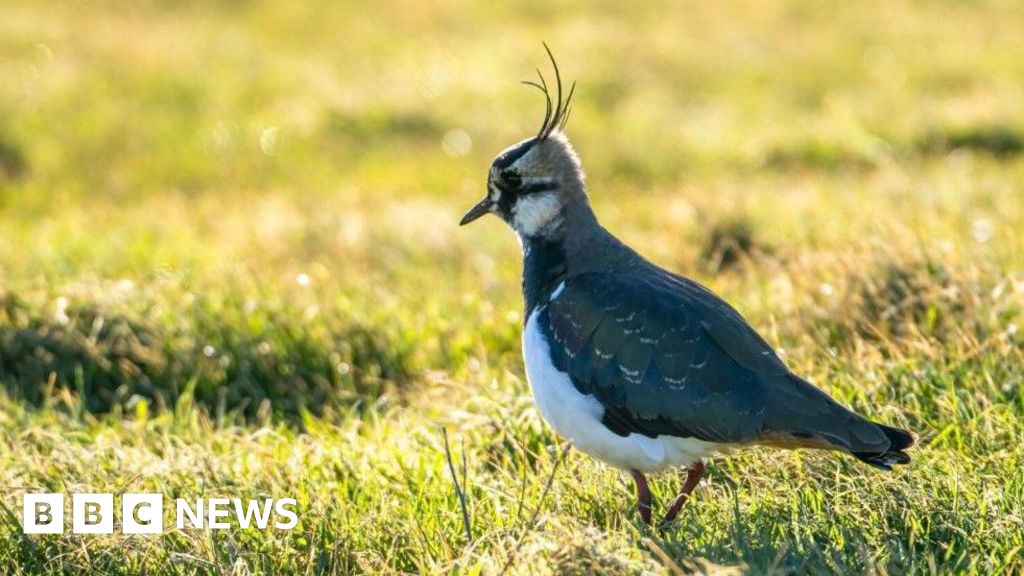
The National Trust emphasized that this innovative undertaking represents just one component of a broader strategy, a suite of "innovative, nature-based solutions" being implemented to safeguard Northey Island, a site of considerable ecological importance, against the escalating threats posed by rising sea levels and the alarming rate of saltmarsh degradation. Saltmarshes are incredibly valuable coastal ecosystems, acting as natural flood defences, carbon sinks, and critical nurseries for numerous marine and avian species. Their rapid loss due to climate change and human activity is a serious concern for conservationists.
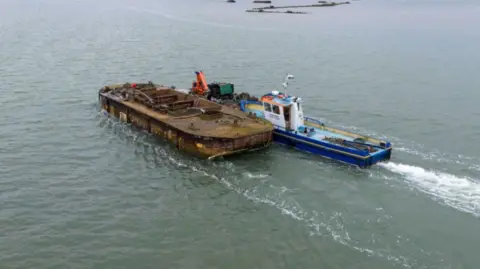
The process of transforming these barges into a thriving avian sanctuary was a complex and meticulously planned operation, described by the National Trust as a "bold marine engineering feat." Before their final journey, the lighters, each measuring between 20 and 32 metres (approximately 66 to 105 feet) in length, underwent a thorough cleaning to remove any potential contaminants and were made seaworthy enough to be safely towed to their designated positions within the estuary. Their journey culminated in being carefully set down onto a pre-prepared platform of sediment on the inter-tidal mudflats, deliberately chosen to provide a stable foundation.
Katy Gilchrist, the coastal project manager for the National Trust, eloquently articulated the essence of the initiative, stating, "This is the ultimate act of marine recycling – transforming retired industrial vessels into a sanctuary for wildlife. We’re basically turning history into habitat, and as far as we know, no-one has attempted anything quite like this before." This sentiment underscores the groundbreaking nature of the project, which not only addresses immediate environmental challenges but also breathes new life into relics of maritime heritage.
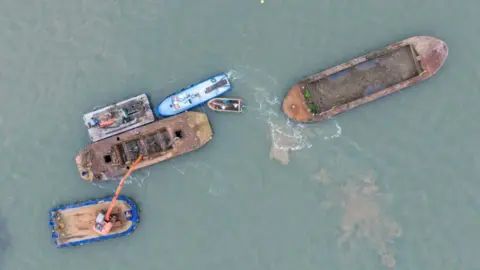
Once the barges were precisely positioned, a crucial step involved cutting strategic holes into their hulls. This allowed for the controlled sinking of the vessels, ensuring they settled firmly into their new resting places. Following this, the hulks were systematically filled with vast quantities of sediment, primarily mud sourced from the estuary itself. This material served a dual purpose: to weigh the barges down securely, anchoring them against the powerful tidal forces, and to provide the foundational substrate for the future habitat. The final stage of construction will involve covering the filled barges with a layer of gravel. "Once the island is fully established with gravel on top, it will sit safely above the highest tides to offer a safe refuge for some of our bird species which are in decline," Gilchrist explained, highlighting the critical importance of creating a habitat that remains accessible and undisturbed even during peak tides.
Upon its full completion, this remarkable new island will contribute an additional 0.55 hectares (approximately 1.4 acres) of vital new habitat within the Blackwater Estuary. To put this into perspective, this area is roughly equivalent to the size of a standard football pitch, representing a significant expansion of safe breeding and feeding grounds for local and migratory bird populations. This strategic placement ensures that the island will provide a much-needed refuge for birds, elevating them above the highest tidal reaches and offering protection from disturbance often encountered on the mainland shore.
Matt Wilson, the countryside manager for the National Trust, further elaborated on the multifaceted benefits of the undertaking. He stated, "The new island, located just off the eastern shore of Northey, will provide a refuge for birds above the highest tides and away from disturbance on shore, acting as a lifeline for birds that are running out of safe spaces to nest and rest." The decline of many wading bird species is directly linked to habitat loss and increased human disturbance, making such undisturbed sanctuaries invaluable. Beyond its direct benefit to birds, the island is also poised to play a crucial role in mitigating the ongoing erosion of the existing saltmarsh at Northey Island. The presence of the submerged barges, buttressed by sediment, will act as a natural barrier, dissipating wave energy and reducing the destructive forces of the tides that contribute to saltmarsh degradation. This innovative approach demonstrates a synergistic relationship between habitat creation and coastal protection.
The success of such an ambitious and complex project relies heavily on collaborative efforts. The National Trust has partnered with a consortium of key organizations, each bringing specialized expertise to the table. These include the Environment Agency, a leading public body for protecting and improving the environment; Natural England, which advises on and protects England’s natural environment; the Maldon Harbour Improvement Commissioners, responsible for the navigation and safety of Maldon Harbour; specialist engineering and environmental consultants Royal Haskoning DHV, providing critical technical guidance; and specialist marine contractors Landbreach Ltd, executing the intricate marine operations. This multi-agency collaboration underscores the integrated approach required to tackle complex environmental challenges and implement innovative solutions in coastal management and conservation. The project stands as a testament to how human ingenuity, coupled with a deep commitment to environmental stewardship, can transform industrial relics into vibrant, living ecosystems, offering a beacon of hope for wildlife facing the impacts of a changing climate.



 George Anjay
 Nakalama John
 atisusanti
 Ramos Leo