
 Roy Suryo
In a significant move to address a critical shortage of suitable homes for vulnerable children, the UK government has announced a comprehensive plan to create 10,000 new foster care places across England. This initiative aims to overhaul the existing fostering system by relaxing stringent rules, cutting down on bureaucratic red tape, and providing enhanced support for prospective and existing foster carers. The ambition is to ensure that more children in care can benefit from the stability and nurturing environment that a family home provides, moving away from an increasing reliance on children’s homes.
The government’s strategy, backed by an additional £88 million investment, targets a fundamental shift in how foster care is approached. Key among the proposed changes is making it easier for individuals in full-time employment to become foster carers, a demographic previously often excluded by outdated regulations. Furthermore, clearer guidelines are being developed to actively encourage people from diverse ethnic backgrounds and a broader spectrum of life experiences to come forward, reflecting the varied needs of children in the care system.
Official figures paint a stark picture of the current deficit. The number of registered foster carers in England has seen a concerning decline, dropping from 63,890 in 2021 to 56,345 by March 2025, representing a 12% reduction. This trend has led to a direct impact on the availability of placements, with 1,140 fewer foster placements available for children in England in the last 12 months alone compared to the preceding year. Consequently, more young people are finding themselves in residential children’s homes, a situation the government aims to reverse.
The Fostering Network, a leading charity supporting foster care, has highlighted that the immense pressures on an already overstretched children’s care system are contributing to more foster carers leaving the profession than joining. This exodus is attributed to a perceived lack of adequate support, which can leave carers feeling overwhelmed and unsupported in managing the complex needs of the children they care for.
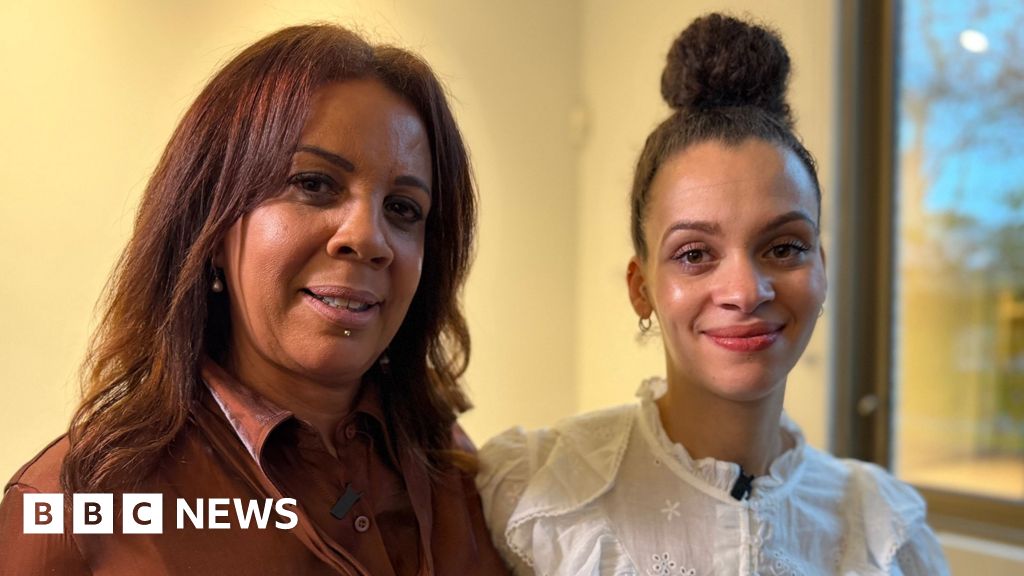
The personal testimonies of foster carers underscore the profound impact of this shortage, but also the immense rewards of opening one’s home to a child in need. Judy and Roxy Wilson, known for their appearance on the BBC show "The Traitors," shared their experiences at the government’s launch event for the new plan. Roxy, who herself experienced multiple placements before being fostered and later adopted by Judy, emphasized the vital importance of fostering. "You need settled moments in your life, especially as a kid," she stated. "I think fostering is the best thing you can do to give a child that loving and settled feeling."
Judy echoed these sentiments, describing Roxy as "a breath of fresh air" and encouraging others not to be deterred from fostering. She acknowledged that prospective carers often fear the perceived difficulty of the role, adding, "There’s support out there, but not enough support." This highlights a critical area for improvement within the proposed reforms – ensuring that the support provided is not only available but also robust and effectively delivered.
Hana and Fahad, another foster care couple, also shared their transformative experience. They welcomed their foster daughter in 2020 when she was four years old and had faced significant challenges early in life. Now aged ten, she is reportedly thriving. "To be able to offer that security, that home and the love, which is what all children need to thrive, has been indescribable," said Hana. She described their foster daughter as "the missing piece to the puzzle within our family" and the one who "completed our family." Their experience demonstrates the profound positive impact fostering can have not only on the child but also on the entire family unit.
The statistics reveal the scale of the challenge. In 2024-25, over 81,000 children in England were in the care of their local authority. The primary reasons for their removal from birth families were abuse or neglect, accounting for two-thirds of these cases. While nearly 55,000 children were placed with foster carers, the reduction in available placements means that an increasing number are being placed in residential children’s homes. The number of young people in these homes rose by 9% in the same period, reaching 9,480.
This shift towards residential care comes at a significant financial cost. A report by the National Audit Office last year indicated that local authorities’ spending on children’s residential homes had nearly doubled in five years, reaching an alarming £3.1 billion by 2023-24. The report attributed this escalation to a shortage of suitable alternative placements and the higher fees charged by private providers, resulting in an average annual cost of £318,400 per child in residential care. This stark contrast in cost and the inherent value of family-based care underscore the urgency of the government’s new initiative.

Josh MacAlister, the government’s minister for children and families, emphasized the fundamental need for children to be in family homes rather than residential settings, stating that "reversing the decline in the number of available foster places is an urgent priority." He pointed to a significant disconnect between public interest and actual placements, noting that "150,000 people last year came forward and expressed an interest in fostering, but we only approved just over 7,000 of them." He attributes this low conversion rate to outdated rules and bureaucratic hurdles, believing that modernizing the system will be key to achieving the target of 10,000 new foster placements by the end of the current parliamentary term.
The government’s proposed reforms aim to address these inefficiencies by streamlining the approval process and removing discriminatory barriers. Current regulations in some local authorities have historically prevented individuals from fostering if they were not married, did not own their home, or were in full-time employment. The new framework seeks to dismantle these outdated criteria, recognizing that a stable and loving home is not contingent on such factors.
Furthermore, the government is committed to enhancing recruitment efforts by providing clearer, more accessible information about fostering. This is particularly crucial for encouraging individuals from ethnic minority backgrounds and diverse communities to consider fostering, ensuring that the care system can better reflect the diversity of the children it serves.
To facilitate faster decision-making and improve the quality of training, there will be increased regional cooperation among local authorities and fostering agencies. This collaborative approach is expected to expedite the approval of new foster carers and the matching of children with suitable families.
The initiative also includes practical support for foster carers. Proposals involve assistance with home improvements, such as extensions, to create more space for children. Additionally, the government plans to bolster day-to-day support through schemes like the Mockingbird programme. This innovative model, run by The Fostering Network, establishes hubs where groups of foster families can support each other, providing advice, assistance, and respite care, effectively creating an extended family network.
Details of these new rules will be published following a period of consultation, allowing stakeholders to provide input and shape the final policies. Sarah Thomas, chief executive of The Fostering Network, welcomed the government’s renewed focus on foster care, stating that the additional placements will "ensure that thousands more children can be cared for in homes that are right for their needs."
Fahad, reflecting on the challenges, acknowledged that "fear stops us moving forward." He urged potential foster carers to consider the profound need for loving and caring homes, emphasizing the immense personal reward. "It’s really rewarding," he concluded. "Your life changes and it changes for the better." The government’s commitment signals a pivotal moment in the ongoing effort to provide every child in England with the secure and nurturing family environment they deserve.




 Nakalama John
 atisusanti
 Ramos Leo
