
 Ramos Leo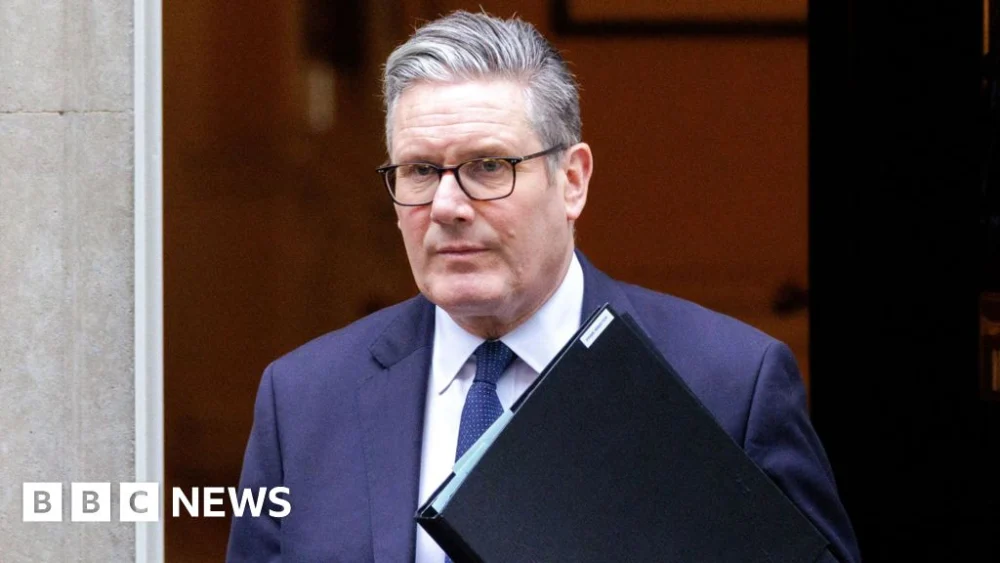
The corridors of power are thick with a palpable fury, largely directed at Lord Mandelson, a level of ire the prime minister has not harbored for anyone in many years, sources indicate. This deep-seated anger is mirrored by a growing despondency among Labour MPs, a mood that has not merely darkened but has, for many, turned black. There is a gnawing, recurring sense within the party that they are far too often forced to defend indefensible positions, with the latest scandal involving Lord Mandelson serving as a particularly damning case study. Indeed, the prime minister endured what many are calling his most challenging day in office yet on Wednesday, prompting widespread private contemplation among his own ranks about the sustainability of the current trajectory, given the government’s apparent inability to gain and maintain the initiative. Bluntly, if Sir Keir Starmer is to steer his government effectively, he can ill afford to experience many more days like these.
Lord Mandelson, for his part, has maintained a resolute public silence, despite numerous opportunities extended to him to comment on the unfolding controversy. The narrative surrounding the affair, depending on who one consults, diverges sharply into two distinct interpretations. On one side are those not only incandescent with rage at Lord Mandelson himself but equally furious at the considerable collateral damage inflicted upon the prime minister’s reputation and authority. "Keir Starmer and Morgan McSweeney have massive faults, but they acted in good faith and don’t deserve to lose their jobs over this," one well-placed insider confided, passionately defending the prime minister and his chief of staff. This faction stresses that the prime minister’s knowledge regarding Lord Mandelson’s friendship with the disgraced financier Jeffrey Epstein, at the time of his appointment as the UK’s ambassador to the United States, extended no further than what was already publicly available. This carefully crafted line is widely anticipated to become the official stance articulated by ministers and indeed the prime minister himself in the days to come.
However, a counter-argument gains considerable traction among another segment of the party. For them, this very point – that only publicly known information was available – is precisely the problem. Surely, they contend, what was already in the public domain about the Mandelson-Epstein friendship should have been ample warning that sending him to Washington would be a profoundly ill-conceived notion. This argument gains further weight when considering that even then, the potential for sensitive files, like those now being published, to surface at some future point was a very real prospect. In essence, many believe this entire debacle was a time bomb, ticking away, waiting for the opportune moment to detonate.
For those fiercely loyal to the prime minister, and indeed to Sir Keir himself, the immediate strategy is clear: to attempt to bury Lord Mandelson beneath a Himalayan heap of opprobrium. They are demonstrating a ruthless determination not to miss a single opportunity to double down on this offensive. A Downing Street spokesman, reflecting this aggressive posture, explicitly stated that Lord Mandelson "presented Jeffrey Epstein as someone he barely knew." This account has been corroborated by similar information I have gathered from other sources within Whitehall, lending it credibility. There is a palpable hope among Sir Keir’s allies that, in due course, the eventual disclosure of the vetting process documents will unequivocally confirm this narrative for all to see.
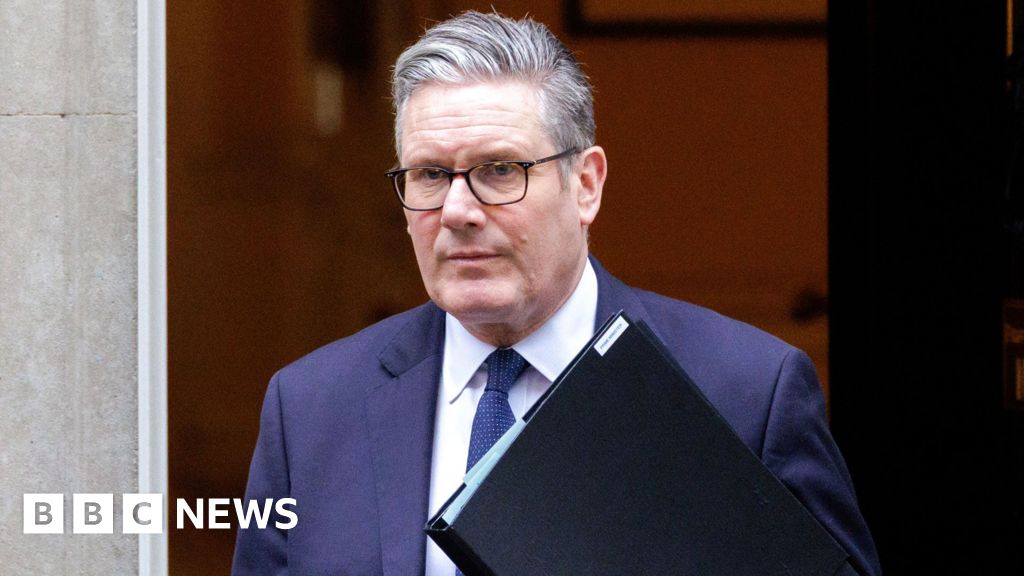
Yet, whispers of dissent and concern persist. I also hear, quite incidentally, that the vetting process itself was alarmingly "rushed" and "slapdash," suggesting a deeper systemic failure rather than simply a misrepresentation by Mandelson. Compounding the complexity, there remains a very real prospect that much of the material pertinent to this affair may not see the light of day for a considerable period. The Metropolitan Police are reportedly highly "nervy" about anything being published that could potentially prejudice any future legal proceedings stemming from their ongoing investigation into Lord Mandelson’s conduct.
The government has found itself repeatedly forced to accelerate its planned responses to this unfolding scandal, constantly playing catch-up for fear of being perceived as dawdling or, worse, ducking a perceived duty of candor. This reactive pattern manifested itself once again via the politically significant public intervention of the former deputy prime minister, Angela Rayner, among others. Rayner boldly suggested that leaving the decision about which documents concerning Mandelson’s appointment should be disclosed solely to civil servants was insufficient. Instead, she argued, MPs and peers on the cross-party Intelligence and Security Committee should be entrusted with this critical decision.
This intervention was not merely a suggestion; it was, effectively, the former deputy prime minister nudging, or more accurately, shunting the government into a position it had initially resisted adopting. Rayner, along with a significant number of other Labour MPs, was simply not willing to accept Downing Street’s initial, more limited position on transparency. This episode tells a profoundly revealing story about the current power dynamics at play between the government and its backbenches – and it is certainly not one calculated to inspire confidence if you happen to be sitting at the very center of government.
The prime minister, facing relentless pressure, will now attempt, yet again, to seize control of the political agenda. It has become a recurring and frustrating theme of these opening weeks of 2026 that whenever he has endeavored to do so, external events, or indeed internal missteps, have consistently knocked him off course. There was the unexpected crisis in Venezuela, the perplexing diplomatic kerfuffle over Greenland, and now, the deeply damaging Lord Mandelson affair. In other words, some events have been undeniably beyond his immediate control, while others have fallen squarely within his remit, pointing to potential lapses in judgment or foresight.
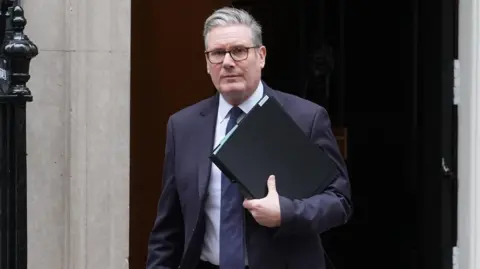
Later today, he is scheduled to deliver a major speech intended to pivot back to his first principles – his core values and his deep-seated patriotism. "I love this country. It is the greatest country in the world. The progress and prosperity I’ve seen throughout my life. The journey I’ve been on, personally from a working-class background to this, I owe everything to this country and its values. I’ve spent most of my professional life serving them," he is expected to declare, hoping to evoke a sense of national unity and personal dedication. The bitter irony, and he undoubtedly knows it, is that almost every single question he will face in the subsequent press conference will inevitably revolve around his judgment and the ongoing scandal involving Lord Mandelson. The attempt to reset the narrative is unlikely to succeed amidst the current maelstrom.
Lord Mandelson, for his part, is understood to steadfastly insist that he has not acted criminally, that his actions were not for personal gain, and that he will fully cooperate with the police investigation. His silence, however, speaks volumes in the current charged political climate. The crisis, encompassing questions of judgment, vetting processes, transparency, and internal party control, represents a significant test for Sir Keir Starmer’s leadership, one that will define not only the early months of 2026 but potentially the trajectory of his entire premiership.



 Roy Suryo

 Nakalama John
 atisusanti
