Nana Banana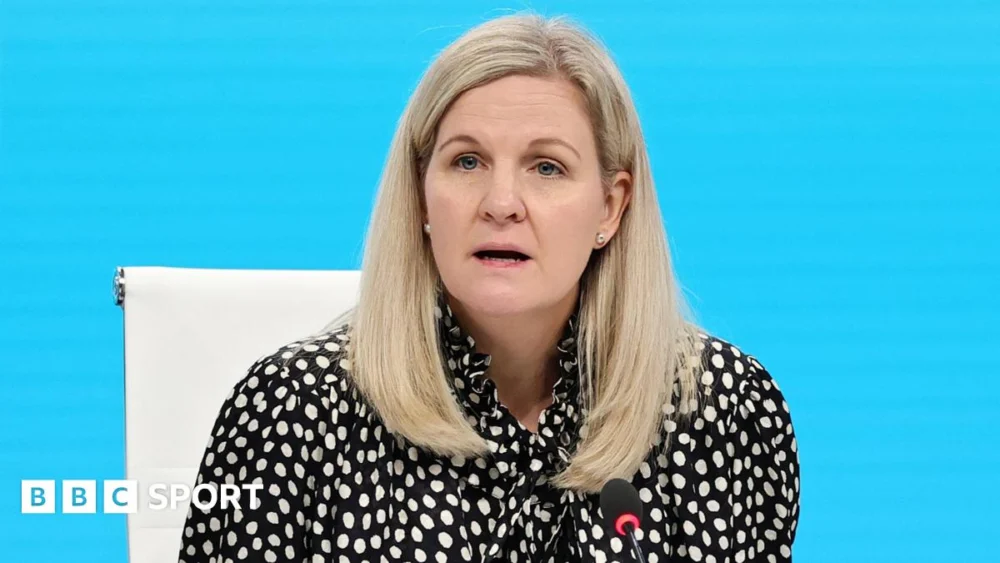
One of the primary strategies the IOC is deploying to enhance the sustainability of the Olympics is the adoption of a "spread-out Games" model, leveraging a wider array of pre-existing facilities across broader geographical areas. Milan-Cortina 2026 stands as a pivotal "acid test" for the viability and effectiveness of this innovative approach. The upcoming Winter Olympics will unfold across three distinct hubs in northern Italy: the bustling metropolis of Milan, the historic Alpine resort of Cortina d’Ampezzo, and the high-altitude haven of Livigno. This multi-site strategy drastically reduces the need for new construction, with only two major sporting facilities being purpose-built for the event: the Santagiulia ice hockey arena in Milan and the Cortina Sliding Centre. The decision to minimize new infrastructure development is a direct response to past criticisms regarding the environmental impact and ‘white elephant’ legacies of former Olympic host cities. By utilizing existing venues, the IOC aims to curtail construction waste, conserve resources, and reduce the long-term financial and environmental burden on host communities.
This decentralized model is not an isolated experiment for Milan-Cortina but rather a blueprint for future Games. The subsequent two Winter Olympics, French Alps 2030 and Utah 2034, are already planning to adopt similar widespread venue distributions. For instance, the French Alps bid, leveraging multiple regions across the Auvergne-Rhône-Alpes and Provence-Alpes-Côte d’Azur, aims to utilize 95% existing or temporary venues, further solidifying this new paradigm. Similarly, Utah 2034 is expected to re-use many of the facilities from the successful Salt Lake City 2002 Games, extending the legacy of existing infrastructure. Even the Summer Olympics are embracing this trend, with Brisbane 2032 planning to host events across various venues throughout Queensland, Australia, rather than concentrating them within a single urban core.
While the "spread-out Games" model offers significant environmental benefits by reducing new construction, it introduces a fresh set of logistical and financial complexities that are now becoming apparent. The Brisbane 2032 organizers, for example, have already indicated that their budget will exceed the originally stated $4.9 billion (approximately £3.6 billion). This burgeoning cost is partly attributed to the challenges inherent in managing widespread venues across a vast state like Queensland, necessitating substantial investments in transport infrastructure, security, and accommodation across multiple sites.
Kirsty Coventry candidly acknowledged these burgeoning challenges, stating, "We are really experiencing a spread out Games here for the first time – we are going to learn a lot." She elaborated on the dual-edged nature of this approach: "We have taken this decision for sustainability reasons, climate and not having to have new venues. We are seeing there is an impact on National Olympic Committees because of the spreadness [sic], also for broadcast and media, making it harder to get around." For National Olympic Committees (NOCs), the decentralized model translates into increased logistical demands, requiring more complex travel arrangements, fragmented accommodation strategies for athletes and support staff across multiple Olympic Villages, and intricate security planning. For broadcasters and media, the geographical dispersion means greater travel times, higher operational costs for moving equipment and personnel between distant venues, and more intricate technical setups to cover events simultaneously across different locations.
Coventry articulated the delicate balancing act the IOC faces: "What is really cool is that you get to see iconic venues in beautiful places – but now we have to weigh this up, the balance between a spread games for sustainability reasons but not shifting complexity and sustainability to different areas." This statement highlights a crucial paradox: while the strategy aims to mitigate environmental impact in one area (new construction), it risks amplifying it in others, such as increased carbon emissions from transportation, greater energy consumption for multiple operational hubs, and the sheer logistical footprint required to manage a dispersed event. The challenge is not merely to avoid building new venues, but to ensure that the overall environmental and economic impact is genuinely reduced, rather than simply redistributed or masked.
Beyond the logistical intricacies, the broader context of climate change looms large over the future of the Winter Olympics. Rising global temperatures are reducing the number of reliable locations with sufficient natural snow for winter sports. This forces reliance on artificial snow production, which is itself energy-intensive and demands significant water resources, creating another layer of environmental concern. The long-term viability of many traditional winter sports is under threat, making the IOC’s sustainability efforts not just a matter of public relations, but one of existential necessity for the Games themselves.
While the complexities of sustainability and logistics dominated much of the discussion, the spirit of the Games was also a central theme. With curling events having already commenced on Wednesday, the official opening ceremony for the 2026 Winter Olympics is scheduled for Friday. Coventry expressed her hope that all participating nations and their athletes would be treated with universal respect by spectators and local authorities. She specifically referenced concerns surrounding the USA team amid criticism from Italian authorities regarding the presence of U.S. Immigration and Customs Enforcement (ICE) agents in Milan. This situation, born from a perceived overreach of foreign law enforcement within Italian sovereignty, threatened to cast a shadow over the event’s harmonious atmosphere.
"I hope the opening ceremony is seen by everyone as a chance to be respectful," Coventry affirmed, emphasizing the unifying power of the Olympics. She drew a poignant parallel to the sanctuary of the Olympic Village, where athletes from diverse backgrounds coexist and interact in a spirit of camaraderie. "For me, when we went to the Olympic village that is the best reminder of how the Games should be. I hope the opening ceremony will do that." Her words served as a powerful reminder that beyond the athletic prowess and logistical marvels, the Olympic Games fundamentally aspire to foster international understanding, mutual respect, and a shared celebration of humanity.
As Milan-Cortina 2026 unfolds, it will serve as a critical crucible for the IOC’s evolving vision of sustainable mega-events. The successes and failures of this "acid test" will undoubtedly shape the future trajectory of both Summer and Winter Olympic Games, forcing a continuous re-evaluation of how the world’s greatest sporting spectacle can adapt, innovate, and truly "be better" in the face of a rapidly changing climate and an increasingly complex global landscape. The imperative is clear: to balance the grand ambition of the Games with the undeniable urgency of environmental stewardship and the timeless ideal of international unity.

 Roy Suryo