
 Nana Banana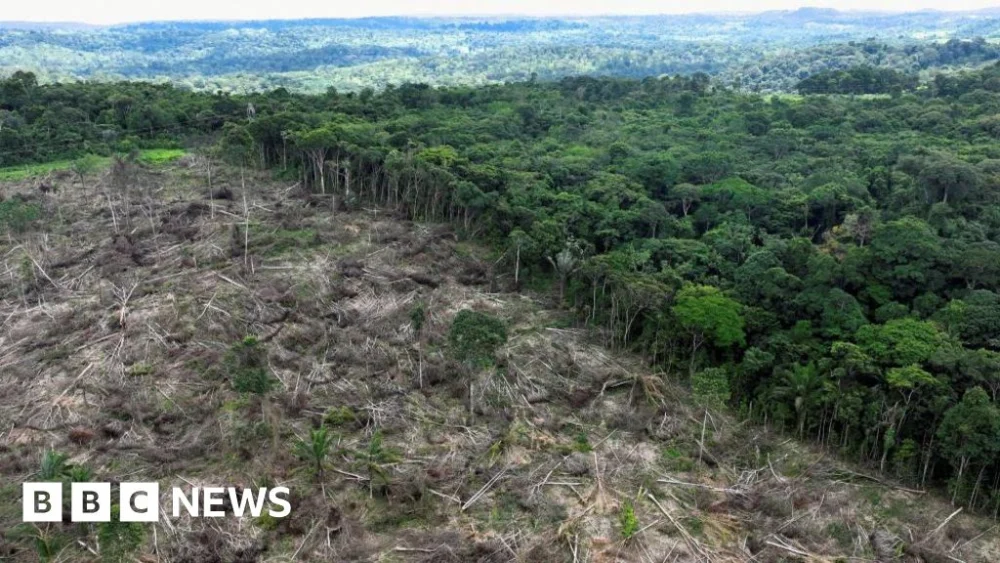
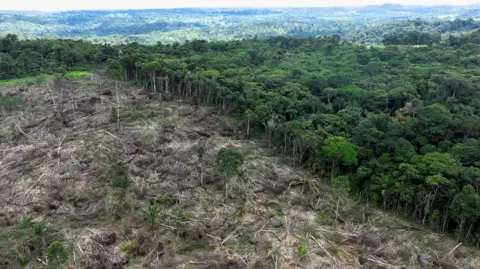
The report specifically highlights the UK’s inherent reliance on critical global ecosystems, many of which are now deemed "on a pathway to collapse" due to unsustainable human activity. Citing examples such as the Amazon rainforest, the assessment forecasts potential consequences for British citizens ranging from rising food prices to direct threats to the nation’s food security. In an official response, the government acknowledged the fundamental role nature plays in underpinning the UK’s security and prosperity, asserting that the report would be instrumental in its future strategic planning and preparedness efforts.
While officially published by the Department for Environment, Food and Rural Affairs (Defra), sources indicate the report was primarily spearheaded by the Joint Intelligence Committee (JIC). This body, responsible for overseeing the UK’s intelligence agencies and providing assessments to the Prime Minister and senior ministers, collaborated with various government departments to synthesize scientific research and expert judgment. Their objective was to delineate a "reasonable worst-case scenario" for the impacts of nature loss on the UK’s national security, lending unprecedented weight to environmental concerns within the nation’s security apparatus. The JIC’s involvement signifies a significant shift, elevating environmental degradation from a purely ecological concern to a core strategic security challenge.
The report pinpoints six specific ecosystem regions deemed "critical for UK national security." These areas were identified based on a dual assessment: the high probability of their collapse and the severe, widespread repercussions such a collapse would entail. The regions include the vast rainforests of the Amazon and the Congo basin, crucial for global climate regulation and biodiversity; the immense boreal forests stretching across Russia and Canada, often referred to as the "lungs of the North"; the vibrant coral reefs and extensive mangrove forests of South East Asia, vital for coastal protection and marine life; and the majestic Himalayas, a source of water for billions. These ecosystems, the report cautions, are currently "on the pathway to collapse" if the current trajectory of nature loss persists. While the precise timeline for such an eventuality remains uncertain, the report underscores the irreversible nature and catastrophic scale of potential tipping points.
Beyond food security, the document meticulously outlines a range of potential impacts on the UK’s national interests. The prospect of mass migration, driven by environmental collapse, presents significant humanitarian and geopolitical challenges, potentially straining international relations and requiring substantial global coordination. Increased geopolitical competition over diminishing resources like fresh water, arable land, and fish stocks could exacerbate existing tensions and spark new conflicts. Furthermore, the report highlights an elevated risk of future pandemics, directly linking biodiversity loss and habitat encroachment to the increased likelihood of zoonotic disease spillover events, echoing the lessons learned from recent global health crises. The overarching theme is one of pervasive economic insecurity, far beyond mere commodity price fluctuations, encompassing supply chain disruptions and broader instability in global markets.
However, the report reserves its most emphatic language for the potential consequences for UK food supplies. It states unequivocally that ecosystem degradation or outright collapse "will challenge the UK’s food security," given the nation’s profound reliance on global markets for a diverse range of food products and essential agricultural inputs like fertilisers. Should major food-producing regions worldwide experience significant ecological disruption, the availability of certain foods would diminish, leading to a sharp increase in global prices and potentially restricting consumer choice within the UK. The report starkly warns that the UK is currently "unable" to achieve food self-sufficiency based on prevailing dietary patterns and market prices. Achieving full self-sufficiency would necessitate "very substantial price increases" for consumers, a politically and economically challenging prospect.
Despite these grim projections, the report also acknowledges potential avenues for mitigation. It suggests that emerging technologies, such as regenerative agriculture and lab-grown protein, could offer solutions to enhance resilience and reduce reliance on vulnerable global systems. However, these innovations would require "further research and investment" to reach scalable and cost-effective implementation.
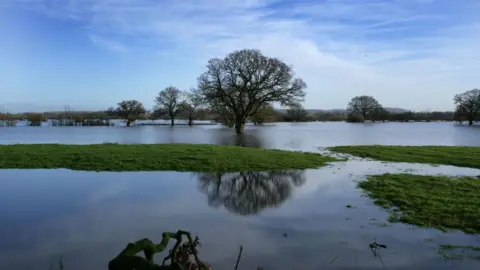
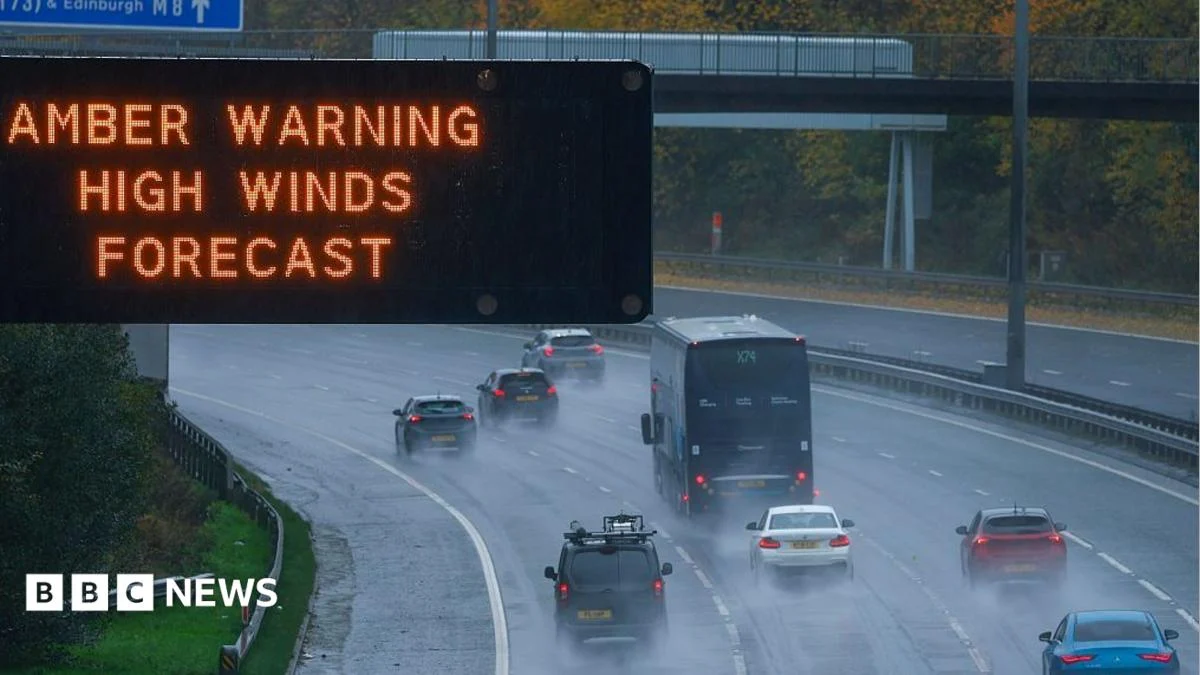
Gareth Redmond-King, head of international programme at the Energy and Climate Intelligence Unit, reinforced the report’s findings, noting that "weather extremes fuelled by climate change are already hitting food production in some parts of the world." He underscored the direct connection between these global events and domestic economic hardship, stating, "This is a cost-of-living crisis, driving up food prices on supermarket shelves for UK households." Recent years have seen UK farmland itself suffer from the dual impacts of both severe flooding and prolonged droughts, further illustrating the domestic vulnerability to climate-related disruptions.
In response to the new report, a Defra spokesperson reiterated the government’s position: "The UK has a resilient food system and remains one of the most food-secure nations in the world." They emphasised the role of international trade, stating, "We have access through international trade to food products that cannot be produced here, which supplements domestic production and ensures that any disruption from risks such as adverse weather or disease do not affect the UK’s overall security of supply." This position highlights a reliance on diversified global supply chains as a primary defence against localized shocks.
The report’s publication, originally slated for October, faced an unexplained delay. The Times newspaper reported that Downing Street had reportedly blocked its release, fearing its "too negative" tone. A government source, when questioned by BBC News, did not dispute this interpretation, hinting at political sensitivities surrounding the candid assessment of environmental risks. This delay fuelled accusations from various green groups that the government was retreating from its previous commitments to protect nature, both domestically and internationally. Critics point to instances where the government has cited economic pressures for not contributing to international climate funds, despite pledging future contributions and encouraging private sector investment. However, the government counters these criticisms by highlighting its investments in flood defences and funds aimed at supporting sustainable food production, presenting these as concrete evidence of its efforts to shield the UK from the impacts of climate change and nature loss.
Globally, despite numerous conservation efforts, biodiversity continues to decline at an alarming rate. This crisis is primarily driven by habitat loss, exacerbated by agricultural expansion and urbanisation, the pervasive impacts of climate change, the spread of invasive species, pollution, and the overexploitation of natural resources. A landmark UN report in 2019 delivered a sobering assessment, warning that the rate of change in nature worldwide since 1970 "is unprecedented in human history." That report estimated that a staggering one million animal and plant species were threatened with extinction, many within decades. The intelligence committee’s report serves as a potent reminder that such ecological crises are not merely environmental tragedies but fundamental threats to national and global stability, demanding urgent and coordinated strategic responses.


 George Anjay
 Nakalama John
 atisusanti
 Ramos Leo
 Roy Suryo