Nakalama John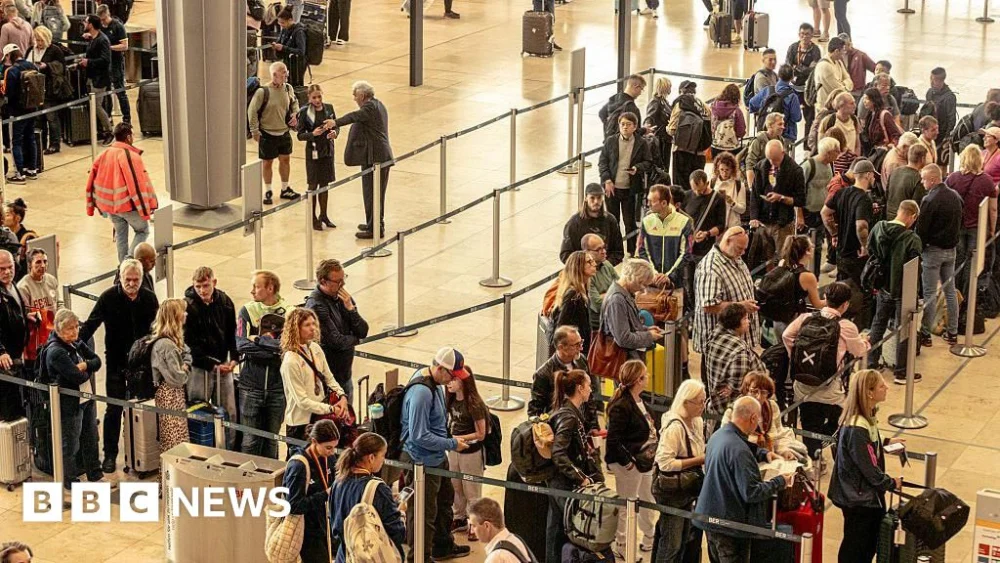
Travellers planning trips to Europe, particularly those from non-EU countries, face escalating warnings of potentially extensive delays at passport control during upcoming holiday seasons. The gradual implementation of the European Union’s new Entry-Exit System (EES), a biometric border control initiative, has already led to significant passenger congestion at several European airports, prompting fears of even greater disruption as the system moves towards full operation.
The EES is designed to digitalise and enhance the security of the Schengen Area’s external borders. It aims to register the entry and exit of non-EU citizens, including British holidaymakers, each time they cross into a Schengen member state. This ambitious system collects biometric data – specifically fingerprints and a facial image – alongside a passport scan on a traveller’s first entry. This registration then remains valid for three years, after which a new registration is required. The EES is set to replace the traditional ink stamping of passports, providing a more robust and unified record of non-EU citizens’ movements within the zone. Its primary objectives include identifying overstayers, enhancing internal security, and combating terrorism, but its rollout has been fraught with practical challenges.
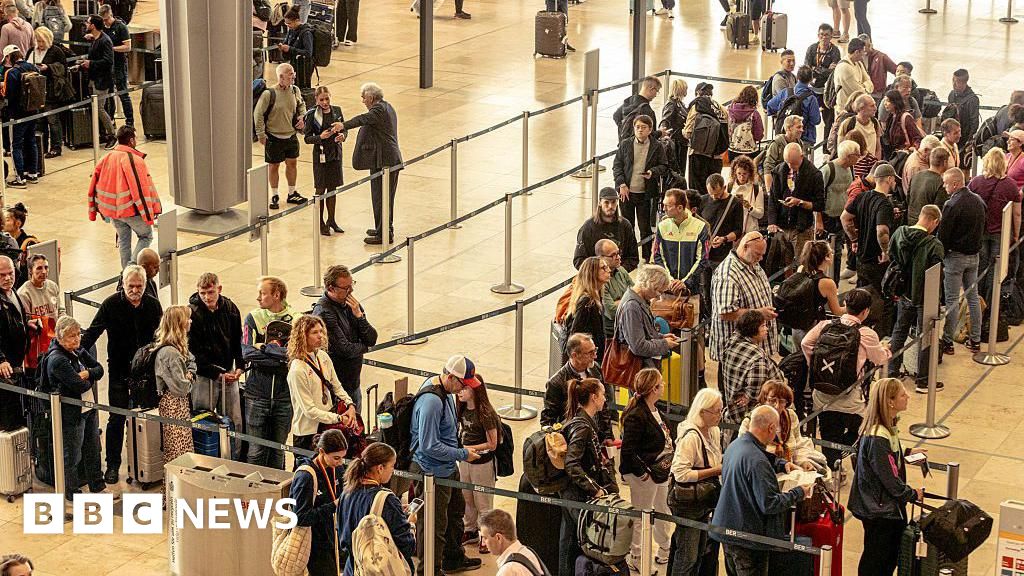
Passengers have already experienced the immediate impact of the new system, reporting waits stretching for hours at some popular destinations during peak periods. Social media channels, for instance, have recently featured videos detailing three-hour queues at Geneva Airport’s passport control. Geneva, a crucial gateway for winter sports enthusiasts, including a significant number of British skiers, experiences high traffic during the ski season. Airport authorities there have directly attributed the "congestion… particularly on Saturdays during the busy ski season" to the new EES. A spokesperson for Geneva Airport acknowledged the implementation of EES as a "major challenge for Swiss customs and Geneva Airport" and outlined measures being taken to mitigate delays, such as deploying additional staff.
Similar issues have plagued other popular tourist hubs. Tenerife, a perennial favourite for winter sun-seekers in the Canary Islands, has also seen considerable queues. Andrew Knight, who operates Salasti car hire at Tenerife airport and largely serves UK tourists, has observed first-hand the "hit and miss" nature of the new system. While some passengers arriving during quieter periods manage to clear passport control in as little as 20 minutes, those arriving when multiple aircraft land in quick succession face delays of one and a half to two hours. Knight also highlighted instances where the EES systems have temporarily failed, exacerbating the problem.
Julia Lo Bue-Said, who leads the travel agent network Advantage Partnership, unequivocally stated that "without question, the new system has created even more bottlenecks and pinch points [in places] that were already challenged." Her assessment underscores a growing concern within the travel industry about the system’s operational readiness and its potential to disrupt holiday plans.
The Airports Council International Europe (ACI Europe), an organisation representing over 600 airports across the continent, has voiced significant concerns. Olivier Jankovec, the director general of ACI Europe, informed the BBC that the EES has already led to a "four to five times" increase in passenger processing time at border control, with typical wait times now extending up to two hours. Jankovec attributed these problems to a combination of factors, including a shortage of adequately trained border staff and the malfunction of some of the new automated biometric kiosks. He expressed grave fears that the situation would deteriorate significantly with the influx of holidaymakers during the upcoming Easter and summer periods, when a much larger volume of travellers will be required to register their biometric data for the first time.
The European Commission, while acknowledging ongoing efforts to improve the system, has maintained a more optimistic stance. Markus Lammert, European Commission Spokesperson for Internal Affairs, stated that 23 million entries and exits have already been registered under EES, resulting in 12,000 refusals of entry. He insisted that the system has operated "largely without issues." However, the Commission has also recognised the potential for bottlenecks, confirming that member states retain the ability to partially suspend EES operations where necessary during the summer months, specifically until September.
This contingency measure, while offering a degree of flexibility, highlights the underlying concerns about the system’s capacity. Olivier Jankovec views this suspension capability as "necessary to cope if the situation becomes unsustainable at border control." Without such flexibility, and if the current issues regarding equipment reliability and border guard numbers persist, he warned of "five-to-six-hour waiting times" at peak periods. ACI Europe has stressed the critical need for "close coordination" between airports and border control authorities to ensure that the system can be suspended "in a timely manner" when congestion becomes unmanageable.

Travel association ABTA echoed these concerns, stating last Thursday that border authorities were under-utilising their existing ability to reduce checks when necessary, which has resulted in passengers being "caught up in lengthy delays." ABTA called for both the application of these contingency measures and greater proactive planning from destinations and border authorities for peak travel periods. The potential for prolonged queues not only causes immediate inconvenience and stress for travellers but also carries broader economic implications for the European tourism sector, particularly in countries heavily reliant on visitors from non-EU nations. Missed connections, delayed transfers, and overall negative travel experiences could deter future tourism, impacting airlines, hotels, and local businesses.
Beyond the immediate EES implementation, travellers to the EU will face another digital hurdle in the near future: the European Travel Information and Authorisation System (ETIAS). While distinct from EES, ETIAS will require non-EU citizens who do not need a visa for short stays (like UK citizens) to obtain travel authorisation online before their trip, similar to the US ESTA system. This parallel development underscores the EU’s broader strategy to enhance border security and digitise travel processes, making preparation even more crucial for travellers.
Given these challenges, Julia Lo Bue-Said’s advice to travellers is particularly pertinent: "Plan for the worst," especially when travelling during peak times such as the upcoming February half-term and beyond. She advises carrying "refreshments" and "something to keep [small children] occupied" to endure potential long waits. Additionally, passengers should consider arriving at the airport earlier than usual, staying updated on specific airport and airline advisories, and familiarising themselves with the EES process, particularly if it’s their first time entering the Schengen Area under the new system. The tension between enhancing border security and ensuring efficient passenger flow remains a significant challenge for European authorities and the travel industry alike, with the coming months poised to be a critical test for the EES.



 Roy Suryo