Roy Suryo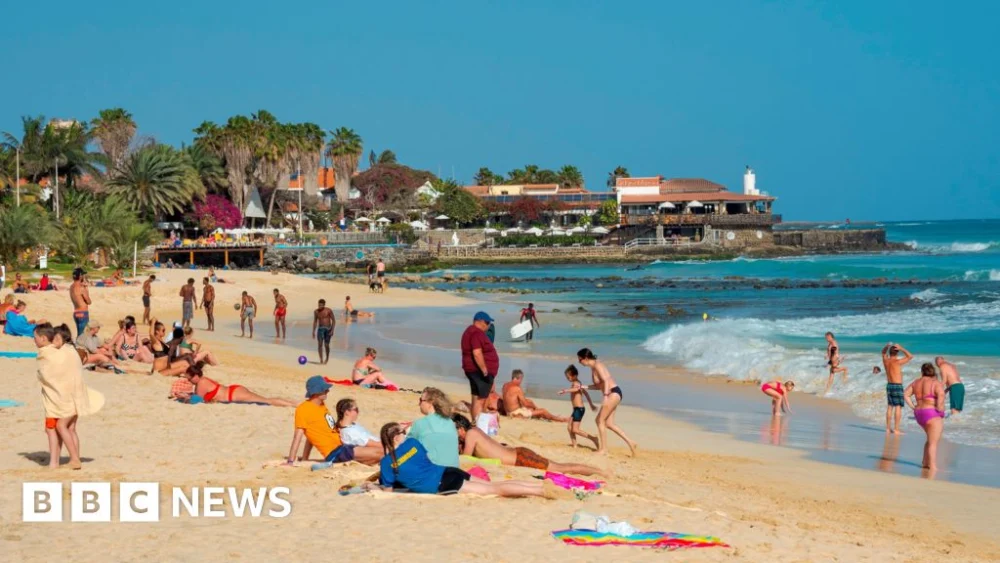
The UK Health Security Agency (UKHSA) has issued a stark warning to Britons planning holidays in Cape Verde, urging heightened vigilance after a concerning surge in gastrointestinal illnesses, including fatal cases, linked to the popular West African archipelago. The agency has identified a significant number of confirmed cases of shigella and salmonella among UK travellers who visited the islands since October 1st, prompting urgent advice for those considering the destination, particularly ahead of the February half-term travel peak.
The scale of the outbreak is concerning, with the UKHSA reporting 118 cases of shigella and 43 cases of salmonella directly attributed to trips to Cape Verde within this period. While most individuals infected with these bacterial pathogens experience a recovery within a week, the severity of the situation is underscored by the tragic confirmation that four British citizens have lost their lives in recent months after contracting these stomach bugs while on holiday. This alarming trend has led to a formal health advisory, aiming to prevent further illnesses and fatalities.
Shigella and salmonella are both highly contagious bacterial infections that target the gastrointestinal tract. Their symptoms can range from unpleasant to severe, typically manifesting as diarrhoea, fever, and debilitating stomach cramps. While the human body often possesses the resilience to combat these infections and achieve a full recovery, certain demographics are at significantly higher risk of experiencing severe complications. This includes young children, the elderly, pregnant women, and individuals with pre-existing health conditions or compromised immune systems. For these vulnerable groups, the infections can escalate to life-threatening complications, necessitating urgent medical intervention.
The primary mode of transmission for both shigella and salmonella is through contact with contaminated faeces. This contamination can occur through direct person-to-person contact or, more commonly in holiday settings, indirectly through the consumption of contaminated food or water, or contact with unclean surfaces. The widespread nature of these infections suggests potential issues with hygiene standards in food preparation, water sanitation, or general public health measures within the affected areas of Cape Verde.
In response to the escalating health concerns, the UKHSA has provided a comprehensive list of preventative measures for travellers to Cape Verde. These recommendations are designed to minimise the risk of contracting and spreading these debilitating infections. The agency strongly advises travellers to:
- Maintain meticulous hand hygiene: This is paramount. Travellers are urged to wash their hands thoroughly and frequently with soap and water, or to use an alcohol-based hand sanitiser, especially after using the toilet, changing nappies, and before handling or consuming food.
- Exercise caution with food and drink: It is crucial to ensure that all food is cooked thoroughly and served hot. Avoid consuming raw or undercooked meat, poultry, seafood, and eggs. Peel all fruits and vegetables yourself or ensure they have been properly washed in safe water. Drink only bottled or boiled water, and avoid ice in drinks unless it is made from purified water.
- Be mindful of water sources: Only drink water from sealed bottles. Avoid tap water for drinking, brushing teeth, or making ice.
- Practice safe food handling: Ensure that food is prepared in hygienic conditions. Be wary of street food vendors unless their hygiene practices are demonstrably excellent.
- Avoid swimming in contaminated water: If there are any concerns about the cleanliness of swimming pools or natural water bodies, it is best to avoid them.
Dr Gauri Godbole, the UKHSA’s deputy director for gastrointestinal infections and food safety, emphasised the critical importance of these simple precautions. "Taking a few simple precautions against traveller’s diarrhoea and food poisoning can make all the difference," Dr Godbole stated. "The best way to avoid gastrointestinal infections, including shigella and salmonella, or passing them to others, is simply by washing your hands regularly and thoroughly with soap and water or alcohol gel – particularly after using the toilet, changing nappies, and before eating or preparing food."
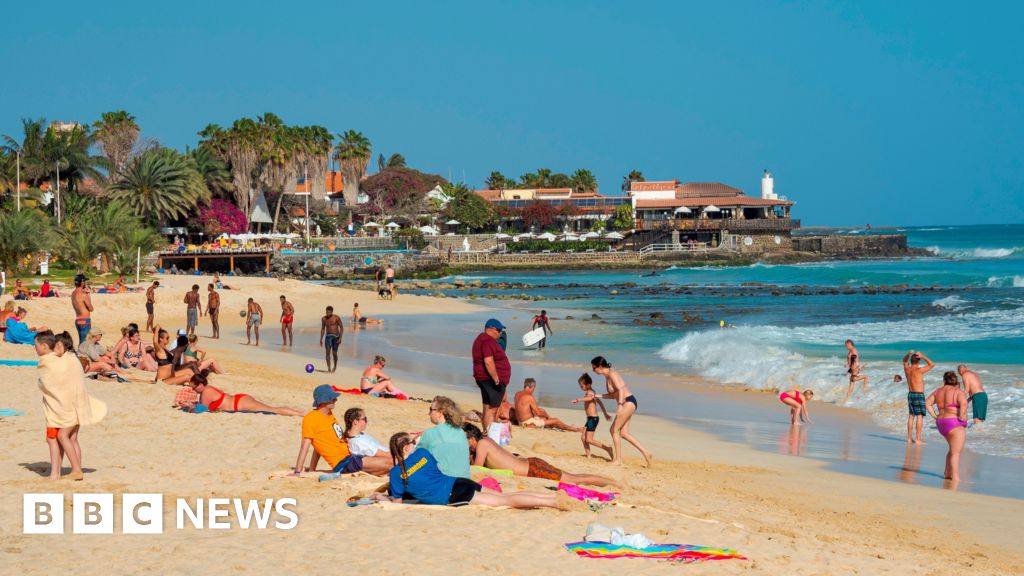
The UKHSA has identified that the majority of reported shigella cases are linked to the popular tourist areas of Santa Maria and Boa Vista. Santa Maria, a vibrant resort town situated on Sal Island, is a prime destination for holidaymakers seeking sun, sea, and relaxation. Boa Vista, the archipelago’s most easterly island, also attracts a significant number of international tourists. Cape Verde typically enjoys pleasant weather in February, with average temperatures around 25°C, making it an attractive winter escape for many Britons.
Dr Damien Tully, an associate professor at the London School of Hygiene and Tropical Medicine, previously commented on the prevalence of such outbreaks, noting that shigella infections are "not unusual, particularly in busy hospitality settings where large numbers of people are eating and sharing facilities." He highlighted that buffet-style catering, while convenient, can inadvertently increase the risk of transmission and serve as a "breeding ground" for bacteria and viruses due to the potential for prolonged exposure and temperature fluctuations of food.
The grim reality of the situation is further illustrated by the personal tragedies that have unfolded. Mark Ashley, 55, from Bedfordshire, Elena Walsh, 64, from Birmingham, Karen Pooley, 64, from Gloucestershire, and a 56-year-old man from Watford are among the Britons who have tragically died last year after contracting stomach bugs while holidaying in Cape Verde. These four individuals are part of a larger group of six Britons who have succumbed to such illnesses after visiting the islands since January 2023. The families of these victims are now pursuing personal injury claims against the prominent package holiday firm Tui, indicating a potential legal battle over alleged failures in ensuring traveller safety and hygiene standards.
Emma Ashley, wife of the late Mark Ashley, has publicly voiced her concerns regarding the hygiene standards at the resort where she and her husband stayed on Sal. Similarly, Sean Walsh, son of Elena Walsh, has expressed deep reservations about the sanitation protocols at the hotel his family frequented. In response to these serious allegations, Tui has acknowledged that it is conducting an investigation into the claims. However, the company has stated that it is unable to provide further comment at this stage due to ongoing legal proceedings.
Adding a layer of complexity to the health situation, Cape Verde was impacted by Hurricane Erin last August. The devastating storm caused significant damage to the islands’ vital water and sanitation infrastructure. In the aftermath of the hurricane, the World Health Organization (WHO) conducted assessments and warned of an increased risk of disease transmission due to contaminated water sources and a potential surge in vector-borne illnesses carried by insects. This environmental disruption may have exacerbated existing vulnerabilities in public health and sanitation, potentially contributing to the current outbreak. The interconnectedness of infrastructure, environmental factors, and public health underscores the multifaceted challenges faced in ensuring the safety and well-being of tourists in the region. The UKHSA’s warning serves as a crucial reminder for travellers to remain informed and vigilant when planning their international trips.



 Nakalama John
 atisusanti
 Ramos Leo