
 Nana Banana
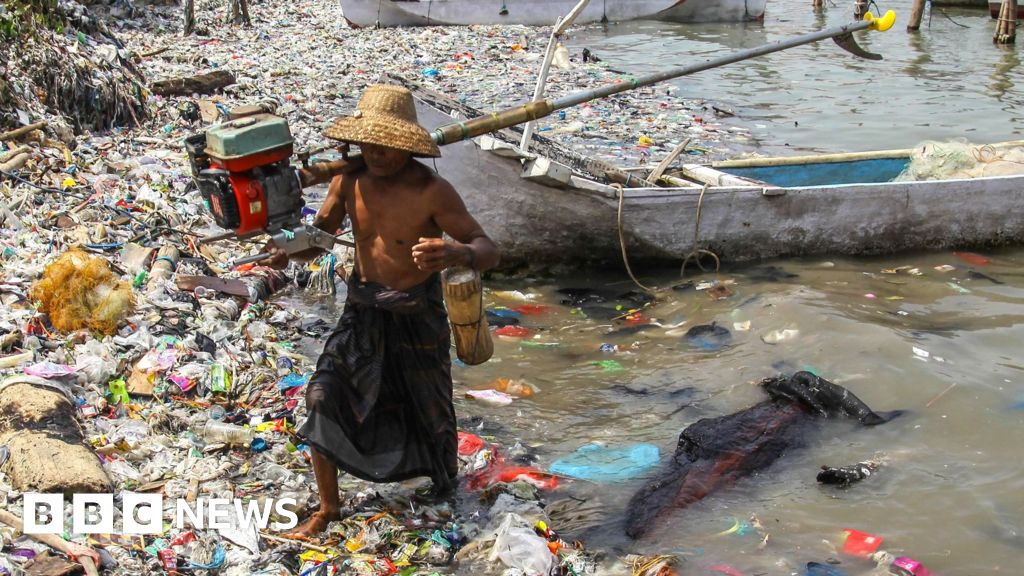
The Global Environment Outlook (GEO), a comprehensive assessment compiled over six years by nearly 300 scientists worldwide under the auspices of the UN Environment Programme (UNEP), meticulously links escalating climate change, pervasive nature loss, and widespread pollution directly to unsustainable consumption patterns prevalent in wealthy and rapidly emerging economies. The report issues an unequivocal warning of a "dire future" for millions across the planet unless there is an immediate and aggressive transition away from coal, oil, and gas, coupled with a drastic reduction in fossil fuel subsidies. Its recommendations are rooted in robust scientific consensus, calling for transformative changes in how humanity produces and consumes resources.
Typically, such landmark UN scientific analyses culminate in a "summary for policymakers," a crucial document whose conclusions and recommendations are agreed upon word-for-word by government representatives. This summary is vital because it signifies governmental acknowledgment of the scientific findings and a commitment to translate those findings into actionable policies. However, the latest version of the GEO report has been published without this customary summary, a direct consequence of a "stormy" meeting held in Nairobi in October, where the authors and political representatives from approximately 70 countries failed to reach a consensus.
During this critical approval meeting, the strong measures advocated by the report – particularly those targeting fossil fuels, plastics, and various subsidies – proved to be insurmountable sticking points for several powerful nations. The United States, Saudi Arabia, and Russia were among the countries that vehemently objected to the report’s conclusions. These objections effectively derailed the established process, which traditionally operates on a basis of consensus among participating states.
Prof Sir Robert Watson, the esteemed co-chair of the GEO report and one of the world’s most respected scientific voices, did not mince words when describing the situation. "A small number of countries basically just hijacked the process, to be quite honest," Sir Robert told BBC News. He specifically highlighted the US’s actions: "The US decided not to attend the meeting at all. At the very end they joined by teleconference and basically made a statement that they could not agree with most of the report, which means they didn’t agree with anything we said on climate change, biodiversity, fossil fuels, plastics and subsidies." This blanket rejection by the US, without direct engagement in the prior discussions, was seen as a deliberate obstruction.
Sir Robert Watson brings a formidable track record to his critique. He is a former chief scientist for the UK’s Department of the Environment, a past chair of the Intergovernmental Panel on Climate Change (IPCC), and has held significant roles at the World Bank and Nasa. His long history in global environmental science also includes previous clashes with the US government. He notably criticised the US decision to withdraw from the Kyoto Protocol, an earlier climate treaty, during his tenure as IPCC head. In 2002, lobbying efforts by the administration of President George W. Bush ultimately led to his removal from that leadership position, establishing a pattern of US resistance to robust climate science under certain administrations.
Other experts present at the Nairobi meeting echoed Sir Robert’s sentiments, confirming that the actions of the US and its allies had indeed "derailed" the report’s approval process. Dr. David Broadstock, a lead author of the report and affiliated with the Lantau Group, expressed a sense of exasperation. "I thought we had gone beyond the point of recognizing that when you burn oil, this big, thick black stuff comes up, and it probably isn’t good, especially when you try and breathe it in," he remarked to BBC News. "It’s kind of pretty obvious, and yet we’re still seeing parties wanting to pursue the increasing scale of production of such things." His comments underscore the frustration among scientists who feel that basic, widely accepted scientific truths are being politically contested.
The US government, under President Trump, has consistently pursued policies aimed at boosting domestic fossil fuel production and systematically rolling back the country’s international commitments to combat climate change. The administration has championed the goal of the US becoming a "global energy superpower" by leveraging cheap and reliable fossil fuel resources. Furthermore, it has actively sought to challenge and overturn the scientific consensus that carbon dioxide poses a danger to public health through legal and regulatory means. This stance has translated into efforts to restrict or limit the mandates and efficacy of international bodies dedicated to addressing global warming.

This incident with the GEO report is not an isolated one. Throughout the year, there have been repeated instances where specific language advocating for a rapid transition away from fossil fuels or acknowledging the urgency of climate action has been challenged or removed from texts during key international negotiations. This includes discussions at international plastics negotiations, within the International Maritime Organization (IMO), and most recently during COP30, the global climate summit. Such consistent opposition by a bloc of nations raises profound concerns about the future of multilateral environmental governance.
The ramifications of this disagreement over the Global Environment Outlook report extend far beyond this single document. It casts a long shadow over the future credibility and effectiveness of other crucial scientific assessments, most notably the Intergovernmental Panel on Climate Change (IPCC) reports. IPCC assessments are widely considered the bedrock of global efforts to understand and limit global warming, providing the scientific basis for international climate policy. If the process of government endorsement for such foundational scientific reports continues to be undermined by political objections, it could severely cripple international cooperation and the collective capacity to address the escalating environmental crisis. The absence of a government-endorsed summary weakens the report’s policy impact, signaling a lack of political will at a time when scientific urgency is paramount. This contentious outcome suggests a growing chasm between scientific consensus and political action, threatening to delay essential environmental reforms with potentially catastrophic long-term consequences for global ecosystems and human well-being. The BBC has approached the relevant US government departments for comment on these allegations.




 Nakalama John
 atisusanti
 Ramos Leo
 Roy Suryo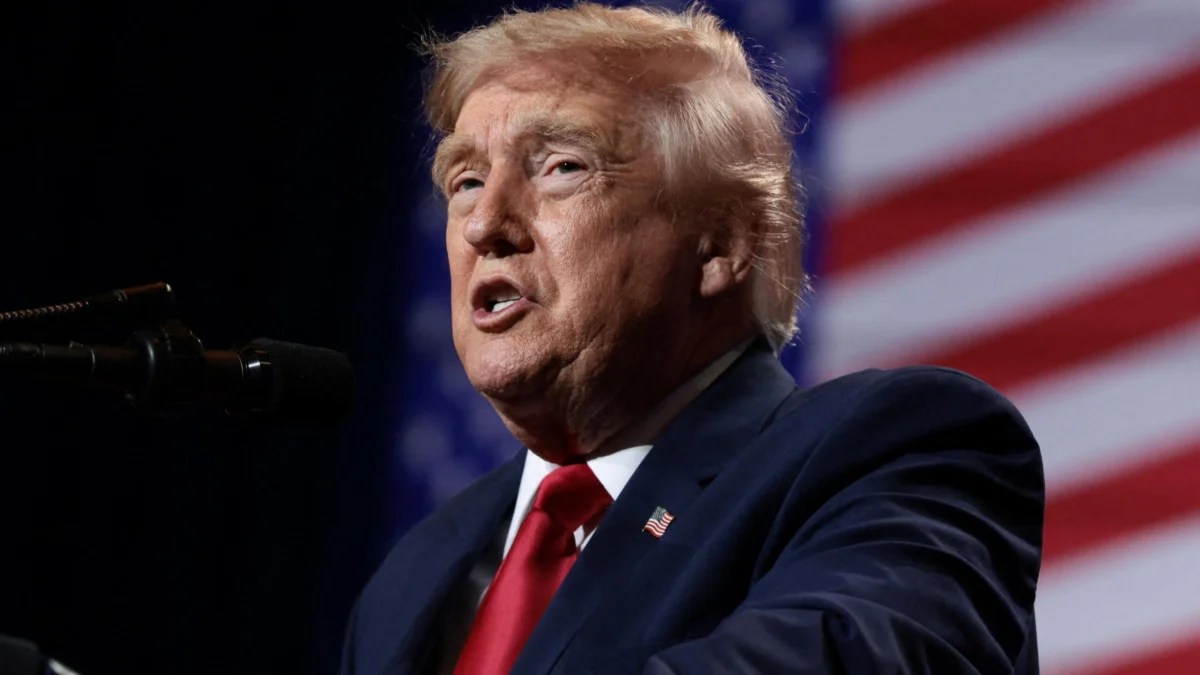
 George Anjay