Ramos Leo
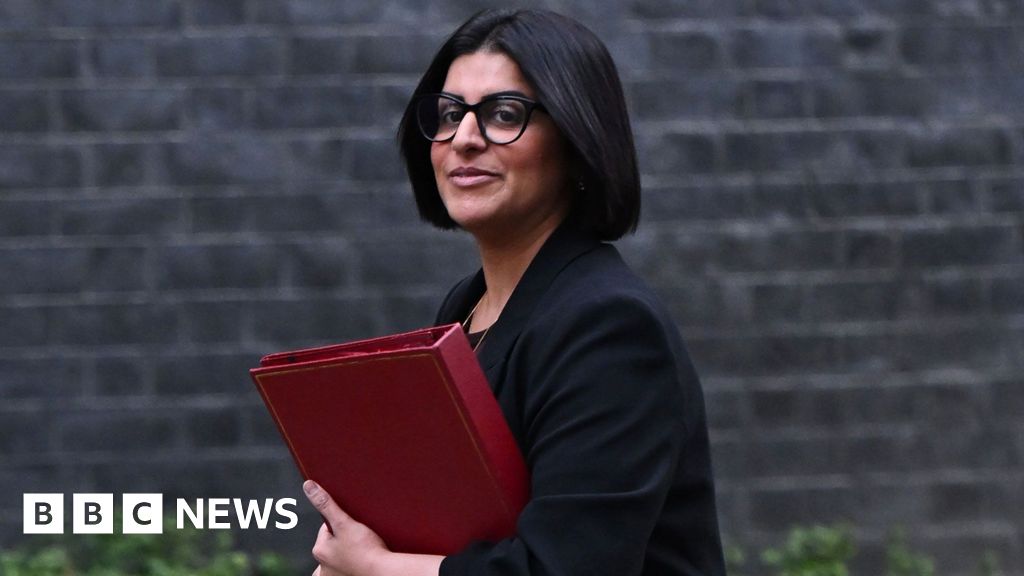
The United Kingdom has successfully secured agreements with three African nations – Angola, Namibia, and the Democratic Republic of Congo (DRC) – for the expedited return of foreign offenders and illegal migrants. This diplomatic breakthrough follows a series of stern warnings and threats of visa penalties issued by UK Home Secretary Shabana Mahmood, signalling a more assertive stance from London on international cooperation for migrant returns.
In a move that underscores the UK government’s determination to tighten its borders and enforce immigration rules, Home Secretary Mahmood initially issued threats in November as part of broader reforms to the UK’s asylum system. These threats targeted countries deemed to be obstructing the return of their citizens who were in the UK illegally or had committed crimes. By December, Namibia and Angola had already conceded to cooperate on returns, responding to the pressure. The latest development sees the Democratic Republic of Congo also agreeing to the terms, completing the trio.
Following the confirmation of the agreement with the DRC, Home Secretary Mahmood reiterated her uncompromising position. "My message is clear: if foreign governments refuse to accept the return of their citizens, then they will face consequences," she stated, emphasizing the government’s commitment to robust immigration enforcement. She further declared, "Illegal migrants and dangerous criminals will now be removed and deported back to Angola, Namibia and the Democratic Republic of Congo," asserting her resolve to "secure order and control to our borders."
The UK government had previously communicated its intent to impose severe visa restrictions on citizens from Angola, Namibia, and the DRC if their respective governments did not enhance their cooperation on migrant removals. These penalties were not merely hypothetical; they represented a significant diplomatic tool designed to compel compliance. The Home Office had highlighted that return processes for these three nations were "unacceptably poor and obstructive." Specific frustrations included bureaucratic hurdles such as delays in processing necessary paperwork, and, in some cases, the requirement for individuals to sign their own return documents, effectively granting them a veto over their deportation. Such practices had rendered genuine efforts to deport individuals ineffective and lengthy, undermining the UK’s immigration controls.
The new policy, championed by Mahmood, introduced an "emergency brake" on visas. This mechanism would allow the UK to temporarily halt or significantly reduce visa grants for countries with high numbers of asylum claims if those countries failed to accept the return of their citizens residing in the UK unlawfully. This measure is a direct response to the government’s broader strategy to deter illegal migration, particularly those crossing the English Channel in small boats, and to ensure that countries take responsibility for their nationals.
This intensified focus on returns is an integral part of the UK government’s wider "stopping the boats" agenda, a flagship policy aimed at curbing illegal crossings and restoring public confidence in the immigration system. The government views effective returns agreements as a crucial deterrent, sending a clear message that those who arrive in the UK illegally will not be permitted to stay. While the more controversial Rwanda deportation plan continues to face legal and political challenges, these bilateral return agreements are seen as a more immediate and tangible means of demonstrating progress on immigration enforcement.
According to Home Office estimates, the newly secured cooperation with Angola, Namibia, and the DRC means that over 3,000 individuals from these three countries could now be eligible for removal or deportation. This figure represents a significant potential increase in enforced departures and underscores the impact of these agreements. In the year ending September 2025, the UK recorded 36,475 returns and deportations, an 11% increase compared to the preceding 12 months. Of these, approximately 5,000 were foreign national offenders, with 48% originating from EU countries and 52% from non-EU countries. The government hopes that by increasing the overall rate of returns, it can create a more robust and credible deterrent against illegal migration.
The Home Secretary has made it clear that this policy of leveraging visa relationships for cooperation on returns is not limited to these three African nations. She has indicated that countries refusing to collaborate with the UK on returns should not expect a "normal visa relationship," hinting at potential future threats and sanctions for other non-compliant nations. It is understood that several other countries are currently considered resistant to establishing effective returns deals with the UK. These include India, Pakistan, Nigeria, Bangladesh, Somalia, and Gabon. The government is reportedly considering extending similar sanctions or diplomatic pressure to these countries, reflecting a comprehensive strategy to globalize its returns policy.
The impetus behind these aggressive measures is largely driven by the ongoing challenge of illegal migration, particularly the perilous journeys across the English Channel in small boats. Last year alone, 41,472 migrants made this dangerous crossing, marking a 13% rise from the previous year. This escalating trend has placed immense pressure on the UK’s asylum system and political landscape, making the reduction of these crossings a top governmental priority. By demonstrating that illegal migrants will be returned to their countries of origin, the government aims to dismantle the business model of human traffickers and discourage individuals from attempting the hazardous journey.
Beyond bilateral agreements, the UK is also actively engaging with its European counterparts to address broader challenges in international migration law. Towards the end of last year, European countries, including the UK, collectively agreed to negotiate a new approach to interpreting the European Convention on Human Rights (ECHR). This move is designed to make it easier to deport illegal migrants, reflecting a growing consensus across Europe that existing frameworks may be too restrictive. The ECHR, which has been incorporated into UK law through the Human Rights Act, has often been cited in legal challenges against deportation orders, complicating the government’s efforts to remove individuals.
Within the UK, the Conservative Party has openly debated the possibility of withdrawing from the ECHR altogether to gain greater control over its borders. Prominent figures like Kemi Badenoch, a senior Conservative minister, have argued that leaving the treaty might be a necessary step to "protect our borders" and implement a truly independent immigration policy. This stance highlights a fundamental tension between international human rights obligations and national sovereignty in the context of migration management. While the current focus is on reinterpreting the Convention, the underlying debate about the UK’s relationship with the ECHR remains a significant part of the broader conversation on immigration reform. The success of these recent bilateral agreements with Angola, Namibia, and the DRC will undoubtedly be closely watched as the UK government continues to navigate the complex challenges of international migration.




 Roy Suryo

 Nakalama John
 atisusanti