Nana Banana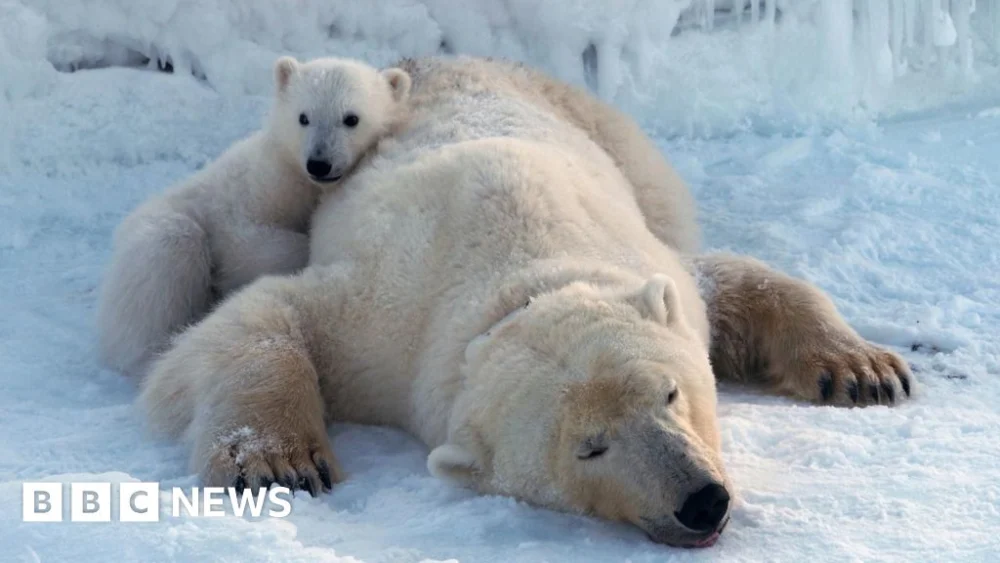
Scientists have unveiled a surprising paradox in the Norwegian Arctic archipelago of Svalbard: polar bears, long considered icons of climate change vulnerability, have become demonstrably fatter and healthier since the early 1990s, even as their crucial sea ice habitat has steadily diminished. This finding, published by researchers who had anticipated the opposite, challenges conventional wisdom about how Arctic predators are coping with a rapidly warming world, while simultaneously underscoring the complex, region-specific nature of climate impacts.
For decades, the scientific community and the public have understood polar bears (Ursus maritimus) to be inextricably linked to sea ice. These magnificent predators rely on the frozen ocean surface as a vital platform for their primary hunting strategy: ambushing ringed and bearded seals at breathing holes or haul-out sites. Seals, rich in blubber, provide the high-energy diet necessary for bears to build the fat reserves essential for survival. These reserves fuel them through periods of food scarcity, provide insulation against the brutal Arctic cold, and are critical for mothers to produce nutrient-rich milk for their cubs. The consistent decline in sea ice across much of the Arctic, driven by global temperature rise, was therefore expected to lead to thinner, less healthy bears and declining populations.
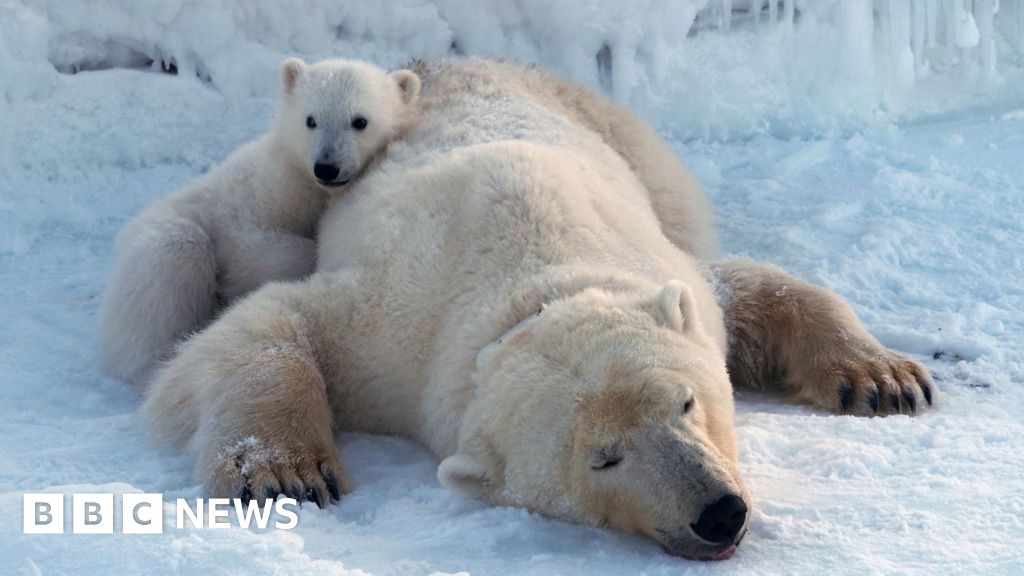
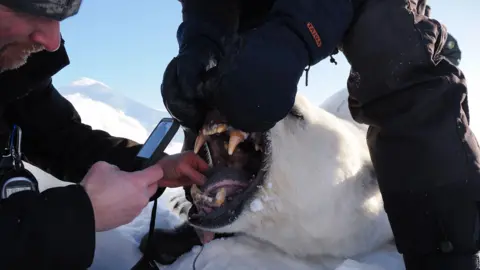
The comprehensive study, led by Dr. Jon Aars from the Norwegian Polar Institute, involved tracking and assessing 770 adult polar bears in Svalbard between 1992 and 2019. Each bear was weighed, measured, and its body condition meticulously assessed. The results were clear: over nearly three decades, the bears in this specific region showed a significant increase in their overall body mass and fat reserves. This observed improvement occurred concurrently with a dramatic environmental shift in Svalbard, where the number of ice-free days per year has increased by almost 100 during the study period, advancing at an alarming rate of approximately four days annually.
Dr. Aars candidly expressed his surprise at the findings. "The fatter a bear is the better it is," he explained, noting the general principle of good health in these animals. "And I would have expected to see a decline in body condition when the loss of sea ice has been so profound." This unexpected resilience suggests a remarkable, albeit potentially temporary, adaptation to environmental change within the Svalbard subpopulation.
Researchers hypothesize that the Svalbard bears have managed to thrive by diversifying their diet, significantly increasing their consumption of land-based prey, most notably reindeer and walruses. This shift represents a crucial behavioral adaptation, as polar bears are traditionally considered marine mammals. While seals remain a preferred and energy-efficient food source, the opportunistic hunting of terrestrial and semi-aquatic species appears to have provided a compensatory caloric intake.
The increased availability of walruses, in particular, offers a key piece of the puzzle. Walruses were hunted to near extinction in Norway until international protections were introduced in the 1950s. Their populations have since recovered substantially, leading to a greater abundance of these large, blubber-rich marine mammals in Svalbard’s waters and along its coastlines. Polar bears, known for their opportunistic nature, can hunt walruses, often targeting younger, sick, or stranded individuals, or ambushing them on land where they are more vulnerable than in water. Similarly, the Svalbard reindeer population, also protected and managed, has seen a recovery, potentially offering another accessible food source for bears spending more time on land during extended ice-free periods.
Another contributing factor to the bears’ improved condition might be a temporary advantage in seal hunting efficiency. Dr. Aars suggested that with reduced sea ice, seals may be forced to congregate in smaller, more confined areas of remaining ice. This concentration could paradoxically make them easier collective targets for polar bears, presenting "easier pickings" until ice conditions become too sparse to sustain even these concentrated populations. This phenomenon, while beneficial in the short term, highlights a precarious balance that could easily tip as ice loss accelerates.
However, this unexpected good news for Svalbard’s polar bears is viewed with caution by the scientific community. The researchers themselves acknowledge that this adaptation is unlikely to be sustainable in the long term. As sea ice continues its relentless decline, bears will eventually have to travel even greater distances to find suitable hunting grounds or prey, expending more energy and depleting their precious fat reserves faster than they can replenish them. The energetic cost of a terrestrial diet, often requiring more effort to catch and providing less caloric density per kill compared to a blubber-rich seal, will eventually become prohibitive.
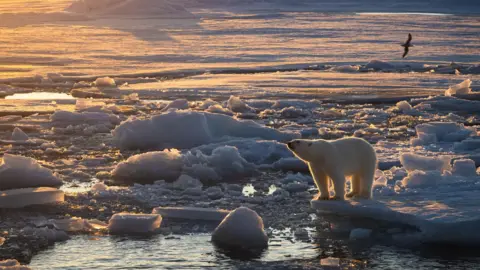
Dr. John Whiteman, chief research scientist at Polar Bears International (PBI), emphasized this nuanced perspective. While acknowledging the "positive in the short term" aspect of the Svalbard findings, he stressed that "body condition is only one piece of the puzzle." He pointed to other recent research on Svalbard bears that revealed a darker side to the ice loss: an increase in ice-free days was directly linked to reduced survival rates in cubs, as well as in subadult and older female bears. This suggests that while individual adults might be fatter, the overall reproductive success and demographic stability of the population could still be compromised. The historical context also plays a role; Svalbard’s polar bears were among the most heavily hunted globally until international protections in the 1970s. Experts theorize that the current findings might partially reflect a population recovering from this intense hunting pressure, further boosted by the concurrent increase in walrus and reindeer numbers.
The situation in Svalbard contrasts sharply with other regions of the Arctic, where the impact of climate change on polar bears is already dire. Of the 20 known sub-populations across the Arctic, many are experiencing significant declines. In Canada’s Western Hudson Bay, home to some of the most southerly and extensively studied polar bears, a clear and direct link has been established between warming temperatures, prolonged ice-free periods, and a decline in the bear population. These bears face longer fasting periods on land, leading to poorer body condition, lower reproductive rates, and reduced cub survival. Elsewhere, shrinking sea ice is pushing bears closer to human communities as they search for food, leading to increased human-bear conflict and scavenging in waste dumps, as observed in places like Churchill, Manitoba.
Dr. Whiteman’s long-term outlook remains resolute: "Ice loss ultimately means bear declines, but [this study shows] that the short-term picture can be very region-specific." He concluded, "In the long term, if ice loss continues unchecked, we know the bears will eventually disappear." The Svalbard story, therefore, offers a fascinating, albeit temporary, glimpse into the adaptability of a species facing unprecedented environmental change. It highlights the importance of understanding regional dynamics and behavioral plasticity in conservation efforts, but it does not diminish the overarching, existential threat that a warming Arctic and disappearing sea ice pose to polar bears globally.




 Roy Suryo