Ramos Leo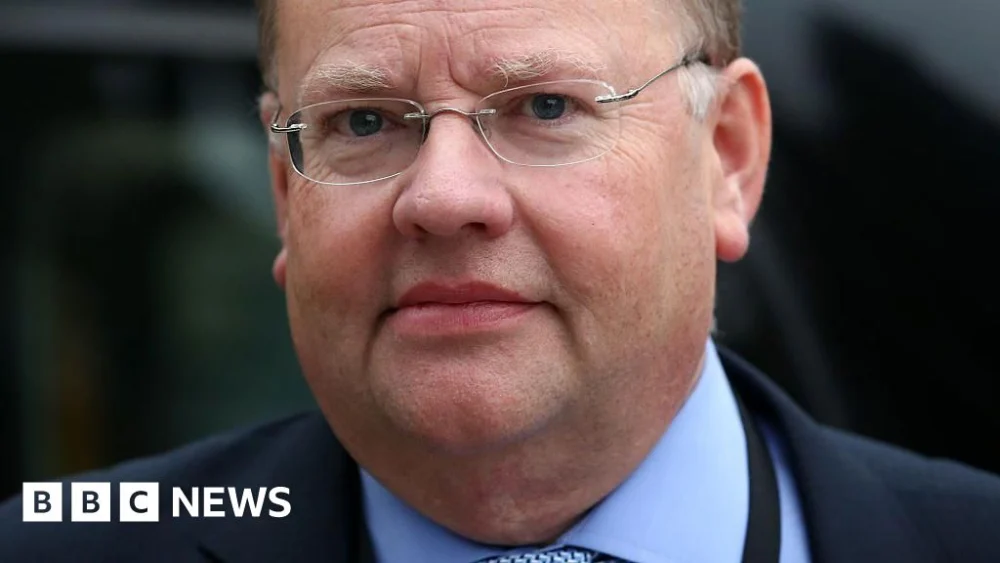
The decision to suspend Lord Rennard comes after the party received new legal advice indicating that a previous inquiry into the allegations, conducted in 2013, was "flawed in several respects." This admission by a Liberal Democrat spokesperson marks a significant shift, effectively undermining the basis upon which Lord Rennard was previously reinstated and suggesting a recognition of past failures in due process. The nature of these alleged flaws has not been fully disclosed, but it implies a potential inadequacy in the scope, methodology, or legal interpretation applied during the initial investigation, which may have compromised its fairness or thoroughness from the perspective of the complainants.
The harassment claims against Lord Rennard first surfaced publicly in 2013, causing considerable internal upheaval for the Liberal Democrats, then in a coalition government with the Conservatives. Four women accused the peer of abusing his position over a period of years, alleging inappropriate touching and propositioning. These allegations painted a picture of a pattern of behaviour by a powerful individual within the party structure, raising serious questions about safeguarding and accountability.
Following the initial outcry, the party commissioned an independent inquiry led by Alistair Webster QC, a barrister, in 2014. This inquiry concluded that while the accounts provided by the four women were "broadly credible," they could not be proven "beyond reasonable doubt." This legal standard, typically reserved for criminal proceedings, proved contentious within a party disciplinary context. Critics argued that requiring such a high bar for internal investigations made it exceedingly difficult for complainants to achieve a satisfactory outcome, particularly given the often-private nature of harassment incidents and the power dynamics involved. The inquiry’s finding effectively cleared Lord Rennard of formal wrongdoing within the party’s disciplinary framework at the time, though it requested he apologise for any distress caused.
Lord Rennard’s initial response to the inquiry’s request for an apology was defiant. He refused to issue one, further exacerbating tensions within the party and drawing criticism from senior figures. He eventually expressed regret, stating that he apologised if he had "inadvertently encroached" upon "personal space." This carefully worded apology, however, was widely seen as falling short of a full admission of responsibility, often interpreted as an attempt to minimise the gravity of the allegations rather than acknowledge the impact of his actions on the women involved. This phrasing has been a recurring element in his public statements regarding the allegations.
In addition to the party’s internal investigations, the Metropolitan Police also conducted an inquiry into the allegations of sexual touching against Lord Rennard. Their investigation, however, concluded that there was "insufficient evidence" to proceed with a prosecution. This outcome, while significant in a criminal justice context, did not negate the credibility of the women’s accounts, and the distinction between the burden of proof in criminal law and the standards expected within an ethical or disciplinary framework for a political party remained a point of contention.
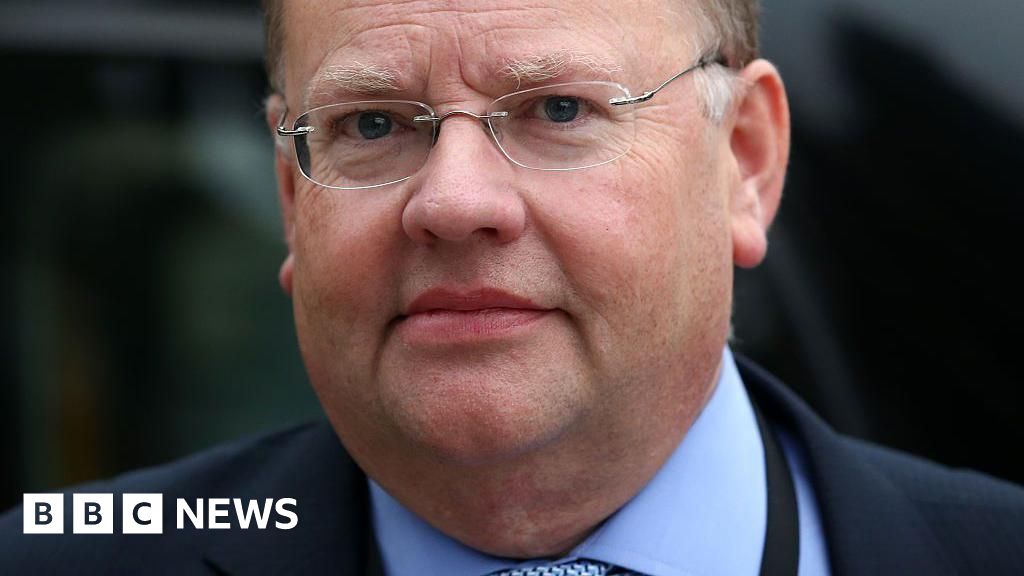
Lord Rennard himself has consistently maintained his innocence regarding any wrongdoing that would warrant formal action. In a recent statement, he reiterated his position, referring to the Met Police investigation and several independent reviews which, he said, concluded "no further action" needed to be taken. This stance underscores his belief that the previous processes had exonerated him and brought the matter to a close. Indeed, after his initial suspension from the Liberal Democrats following the 2013 allegations, he challenged the decision, arguing it was against party rules. Disciplinary proceedings against him were eventually dropped, and his suspension was lifted, with the party at the time declaring the matter "at a close." This history highlights the long and complex struggle the Liberal Democrats have had in definitively addressing these allegations.
The renewed suspension and investigation reflect a significant shift in the Liberal Democrats’ approach, possibly influenced by evolving societal standards regarding harassment and accountability, as well as a desire to rectify past perceived missteps. Party leader Sir Ed Davey has taken a firm public stance on the matter, asserting that Lord Rennard "should not be a member of the House of Lords." Furthermore, Sir Ed has called for reforms, advocating that "it should be made easier for peers to be expelled from the Lords for serious misconduct." This public declaration from the party leader signals a commitment to a more rigorous and uncompromising approach to allegations of harassment, particularly when they involve individuals in positions of power. It also reflects a broader frustration with the current mechanisms for accountability within the unelected second chamber of the UK Parliament, where removing a peer for misconduct is notoriously difficult.
The implications of this new investigation are considerable. For Lord Rennard, it means a renewed period of intense scrutiny and the potential for a more definitive disciplinary outcome from the party, including possible expulsion. For the Liberal Democrats, it represents an opportunity to demonstrate a robust commitment to their stated values and to provide a more satisfactory resolution for the complainants. The admission that the 2013 inquiry was flawed suggests the party is taking a more serious and legally advised approach this time, aiming to ensure that any new process is beyond reproach. This is crucial for the party’s reputation, especially in an era where public trust in political institutions is often fragile, and expectations for ethical conduct are high.
The case also feeds into a wider national conversation about harassment and bullying within Westminster and across various professional sectors. The #MeToo movement and increased public awareness have put greater pressure on organisations, including political parties, to handle such allegations transparently, fairly, and effectively. Sir Ed Davey’s call for easier expulsion of peers resonates with a broader desire for greater accountability among those who hold positions of privilege and power in public life. The House of Lords, as an unelected body, often faces criticism regarding its standards and mechanisms for self-regulation, making cases like Lord Rennard’s a test case for its internal integrity.
Ultimately, this latest development underscores the enduring nature of the allegations against Lord Rennard and the persistent challenge they pose to the Liberal Democrats. The party’s decision to revisit the claims, informed by new legal advice, indicates a recognition that previous attempts to "close the matter" were insufficient. As the fresh investigation unfolds, all eyes will be on the Liberal Democrats to see if this time they can deliver a resolution that satisfies all parties and unequivocally upholds the principles of justice and accountability. The saga of Lord Rennard continues to serve as a stark reminder of the complexities and sensitivities involved in addressing serious misconduct allegations within the political sphere.



 Roy Suryo

 Nakalama John
 atisusanti