
 Nana Banana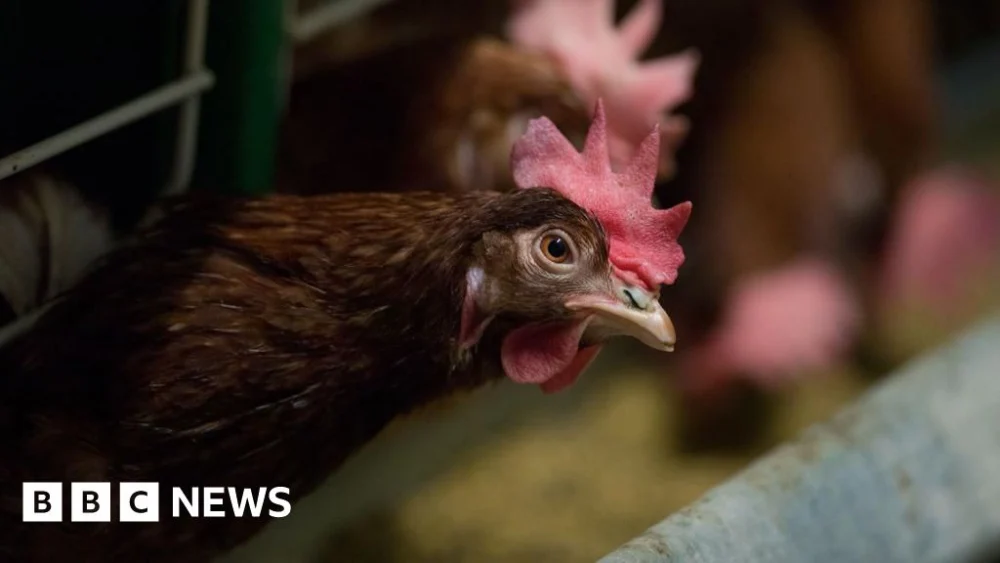
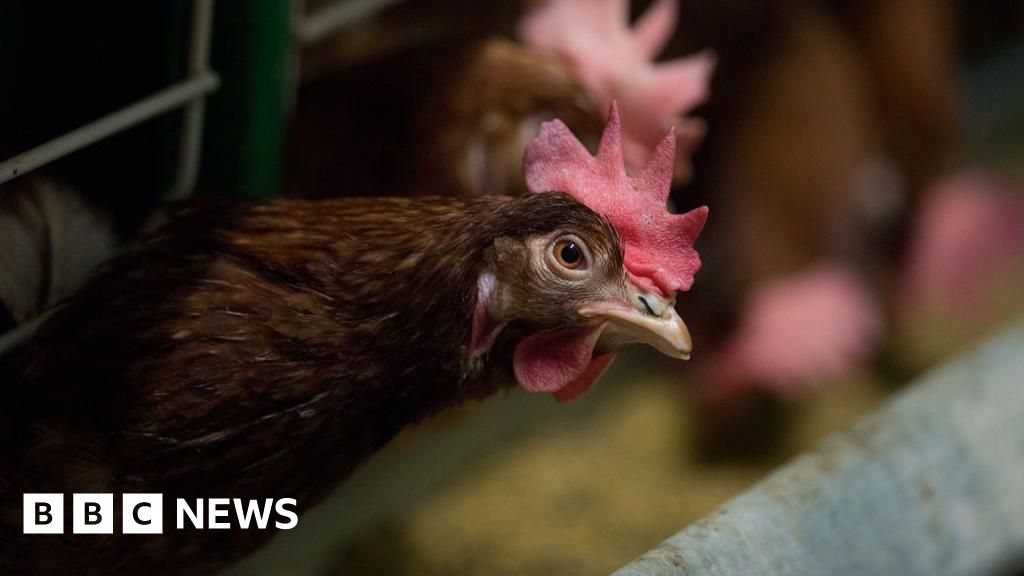
The core of the proposed changes targets intensive farming practices that have long been a focal point for welfare campaigners. For laying hens, the government plans to "transition to non-cage systems and consult on phasing out enriched ‘colony’ cages," which currently house multiple chickens. While conventional battery cages for individual hens have been banned in the UK since 2012, approximately 20% of the nation’s egg-laying hens still reside in these larger, "enriched" cages. These systems, while offering slightly more space than their predecessors, still severely restrict the birds’ natural behaviours, such as dust-bathing, foraging, perching, and stretching their wings fully. Animal welfare advocates argue that such confinement systems cause chronic stress and frustrate basic instincts, leading to poorer physical health and psychological well-being. David Bowles, head of public affairs at the RSPCA, believes that removing the remaining 20% of hens from cages should not present a "massive commercial problem" for the industry, given the established free-range sector, which already accounts for an estimated 80% of egg production. This suggests that the industry has already largely adapted to higher welfare standards, making the final push towards a cage-free future more attainable.
Similarly, the strategy outlines a commitment to "explore how to transition away from the use of farrowing crates to alternative systems" for pigs. Farrowing crates are metal enclosures used to confine sows during birth and the crucial early weeks of nursing. Their primary purpose is to prevent the mother pig from accidentally rolling over and crushing her piglets, a concern for farmers. However, these crates severely restrict the sow’s movement, preventing her from turning around, walking, or performing natural nesting behaviours before and after farrowing. This restriction causes considerable stress and discomfort to the sow, affecting her ability to bond naturally with her offspring. Animal welfare organisations advocate for alternative systems such as free-farrowing pens, which provide more space for the sow to move, nest-build, and interact with her piglets, often incorporating features like protected creep areas for the young. The National Pig Association (NPA) has indicated it will be "following the next steps closely" and is already exploring more flexible systems, acknowledging the industry’s need to adapt to evolving welfare expectations while balancing the economic realities of pig farming. Transitioning to these alternative systems would require significant investment from farmers in new infrastructure and management practices, a point that is likely to be a central part of future consultations.
Beyond confinement systems, the government is also targeting what animal welfare campaigners refer to as "Frankenchickens" – a term used to describe fast-growing breeds farmed for meat. These breeds have been genetically selected to grow at an unnaturally rapid pace, often reaching slaughter weight in just a few weeks. This accelerated growth frequently leads to severe welfare issues, including lameness, skeletal deformities, and heart problems, as their bodies struggle to support their rapid weight gain. The ban aims to address the inherent suffering caused by these intensive breeding practices, promoting healthier, slower-growing breeds that experience fewer welfare compromises. While the British Poultry Council has not yet commented publicly on this specific proposal, discussions with the farming industry will be crucial in determining how to implement such a ban without unduly impacting the poultry meat sector. Anthony Field, head of Compassion in World Farming UK, welcomed these moves, stating that the government was "raising the bar for farmed animal welfare."
The comprehensive strategy extends far beyond farmed animals, encompassing a broad spectrum of reforms for pets and wildlife. Environment Secretary Emma Reynolds highlighted that the government has "already acted to improve zoo standards, end puppy smuggling and protect livestock from dog attacks." The new proposals build on this foundation by planning to ban "cruel snares, trail hunting, and curb low welfare dog breeding." The government aims to implement this wide-ranging strategy by 2030, setting a clear timeline for the anticipated changes. Further details on the strategy can be found in official publications, such as the Department for Food and Rural Affairs (Defra) blog.
A key component of the strategy is the proposed crackdown on puppy farming. This exploitative practice involves breeding dogs in poor, often squalid, conditions, with the primary aim of maximising profit through frequent litters. Dogs used for breeding in puppy farms often suffer from neglect, inadequate nutrition, lack of veterinary care, and insufficient socialisation, leading to chronic physical and psychological issues. Their offspring, the puppies, are often sold too young, are prone to inherited diseases due to indiscriminate breeding, and can develop long-term behavioural problems from their traumatic early life experiences. While it is not currently illegal to breed a large number of dogs, breeders selling three or more litters a year in England, Wales, and Northern Ireland are required to undergo an inspection and obtain a licence. The government now plans to launch a consultation on introducing a new registration scheme for all dog breeders, regardless of scale, and on significantly improving the health and welfare standards required for these licences. The RSPCA views a puppy farm ban as a "real game-changer" and has pledged to work closely with the government on drafting the legislation to ensure "there are no loopholes," thereby protecting countless puppies and their breeding parents from exploitation.
In the countryside, the strategy also seeks to address long-standing controversies surrounding certain practices. The government intends to ban the use of snare traps, which are often criticised for being indiscriminate and causing prolonged suffering to any animal caught in them, whether target or non-target species. Furthermore, a consultation on a proposed ban on trail hunting is set for 2026. Trail hunting, ostensibly, involves laying an artificial scent for hounds to follow, mimicking traditional fox hunting without pursuing a live animal. However, critics, including Environment Secretary Reynolds, argue that it is frequently used as a "smokescreen for fox hunting," allowing participants to bypass the 2004 ban on the hunting of wild mammals with dogs. Reynolds stated that while the 2004 ban was a step forward, "people are trying to get around that ban by using trail hunting in some cases," highlighting an "enforcement problem." The new ban aims to close this perceived loophole. This stance has, predictably, ignited strong opposition from rural communities and hunting organisations. Tim Bonner, chief executive of the Countryside Alliance, described the government’s focus on hunting as "unbelievable," arguing that revisiting this "pointless and divisive issue is completely unnecessary." He added that people across the countryside would be "shocked that after Labour’s attack on family farms and its neglect of rural communities it thinks banning trail hunting and snares used for fox control are a political priority." Echoing this sentiment, Conservative chairman Kevin Hollinrake labelled the ban an "attack on rural Britain and British culture," accusing the government of "punishing the law-abiding majority who support legal trail hunting."
A critical concern raised by farming bodies, particularly the National Farmers’ Union (NFU), revolves around the economic implications of these new welfare standards and the need for a level playing field. NFU President Tom Bradshaw urged the government to ensure that imported food products are required to meet the same high welfare standards that will soon be legally mandated for British farmers. He warned that without such reciprocal import standards, British farmers would face "unfair competition from cheaper goods around the world," potentially undermining their livelihoods. Bradshaw articulated this fear starkly: "If we don’t implement the changes that we want to have in our production systems here within our import standards, then all we do is export our industry overseas." This highlights a perennial challenge in post-Brexit trade policy, where the UK seeks to uphold high domestic standards while navigating international trade agreements. Defra has responded by asserting that it "will not lower food standards and will uphold high animal welfare standards as part of our approach to trade." It further added that it "will always consider whether overseas produce has an unfair advantage and any impact that may have." However, the practicalities of enforcing such standards on a global scale remain a complex and debated issue.
In conclusion, England’s new animal welfare strategy represents a landmark commitment to improving the lives of millions of animals, from farmed livestock to domestic pets and wildlife. The proposed bans on hen cages, farrowing crates, and fast-growing chicken breeds, alongside significant reforms for puppy breeding, snares, and trail hunting, underscore a comprehensive vision for higher animal welfare by 2030. While welcomed by animal welfare organisations, the strategy faces scrutiny and potential resistance from agricultural bodies and rural groups concerned about economic impacts, fair competition, and what they perceive as an attack on traditional practices. The coming years will see extensive consultations and legislative efforts to translate these ambitious proposals into enforceable laws, requiring careful balancing of ethical aspirations with economic realities and diverse stakeholder interests.

 Roy Suryo
 Nakalama John

 atisusanti