
 atisusanti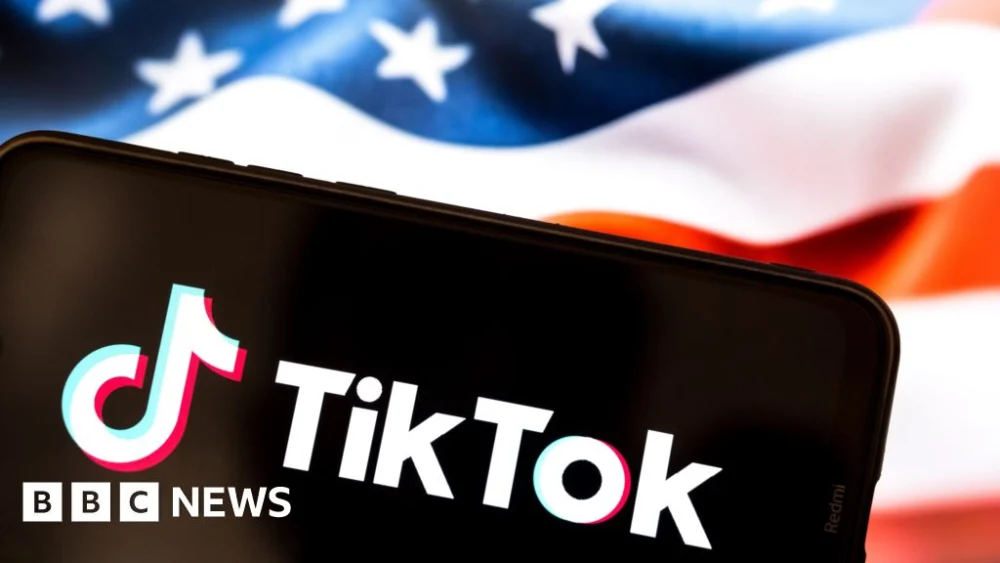
In a memo circulated to staff, TikTok emphasized that this new arrangement would allow "over 170 million Americans to continue discovering a world of endless possibilities as part of a vital global community," underscoring the platform’s significant cultural and economic footprint in the US. Under the terms of the newly inked agreement, ByteDance will retain a minority stake of 19.9% in the joint venture. Meanwhile, Oracle, Silver Lake, and the Abu Dhabi-based MGX are set to each hold a substantial 15% of the new entity. An additional 30.1% of the ownership will be distributed among affiliates of existing ByteDance investors, according to the details provided in the internal communication. Crucially, the White House had previously indicated that Oracle, co-founded by ardent Trump supporter Larry Ellison, would be granted a license to TikTok’s proprietary recommendation algorithm as an integral component of this complex deal.
The culmination of this agreement follows a series of significant delays and political maneuvers that have characterized the app’s uncertain future in the US. In April 2024, during the administration of President Joe Biden, the US Congress passed landmark legislation mandating the sale of TikTok’s US operations, citing national security risks associated with its Chinese ownership. This law was initially scheduled to take effect on January 20, 2025, but faced multiple postponements as the Trump administration engaged in extensive negotiations aimed at brokering a transfer of ownership. President Trump himself had publicly stated in September that he had engaged in direct conversations with China’s President Xi Jinping, who he claimed had given his approval for the proposed deal structure. However, the platform’s fate remained shrouded in ambiguity even after a face-to-face meeting between the two leaders in October, with ongoing geopolitical tensions between the US and China on a spectrum of issues, including trade, continuing to cast a shadow.
Alvin Graylin, a lecturer at the Massachusetts Institute of Technology, provided insightful commentary on the broader implications, noting that "TikTok has become a bargaining chip in the wider US-China relationship." He further elaborated, "With recent softening tensions, Beijing’s sign-off on the structure and algorithm licensing now looks less like capitulation and more like calibrated de-escalation, letting both capitals claim a win at home." This perspective suggests a strategic move by China to de-escalate a point of friction without appearing to concede entirely.
When approached for comment on the matter, the White House directed inquiries to TikTok. Both Oracle and Silver Lake declined to provide statements. The BBC has also reached out to MGX for their perspective. The deal, however, has not been met with universal acclaim, drawing sharp criticism from prominent figures such as Senate Democrat Ron Wyden of Oregon. Senator Wyden expressed his strong reservations, asserting that the agreement "would not do a thing to protect the privacy of American user." A key element of the proposed terms involves the retraining of TikTok’s recommendation algorithm using US user data, ostensibly to safeguard feeds from external manipulation. However, Senator Wyden questioned the efficacy of this measure, stating, "It’s unclear that it will even put TikTok’s algorithm in safer hands." It is worth noting that Senator Wyden had opposed the 2024 law and was among a contingent of US lawmakers who actively lobbied to extend the TikTok deadline in January, advocating for more time to thoroughly assess and mitigate potential threats emanating from China.
The sentiment among some TikTok users also reflects a degree of caution regarding the introduction of new investors. Tiffany Cianci, a small business owner who has cultivated a substantial following of over 300,000 users and garnered nearly four million likes on the platform, voiced her hopes that the incoming investors would prioritize maintaining the existing user experience, particularly for entrepreneurs like herself. "I hope small business owners are protected," she stated, underscoring the vital role TikTok plays in her business. TikTok has reported that an impressive seven million small businesses utilize the platform for marketing their products and services within the US. Ms. Cianci candidly admitted, "I reserve judgment on whether or not we have saved the app for those small businesses," indicating a wait-and-see approach to the long-term implications. She further elaborated on her initial decision to leverage TikTok for promotion, highlighting that the platform offered profit-sharing arrangements that were considerably more favorable than those presented by competitors such as Meta. Over the past year, Ms. Cianci has been an active participant in organizing protests, both in Washington D.C. and on TikTok itself, aimed at preserving the app’s presence in the US market. Her activism reflects the broader concern among many small business owners who have come to rely on TikTok as a critical channel for growth and customer engagement. The success of this joint venture in safeguarding user data and fostering a fair marketplace for businesses will be closely scrutinized in the months and years to come.



 Nakalama John
 Ramos Leo
 Roy Suryo
 Nana Banana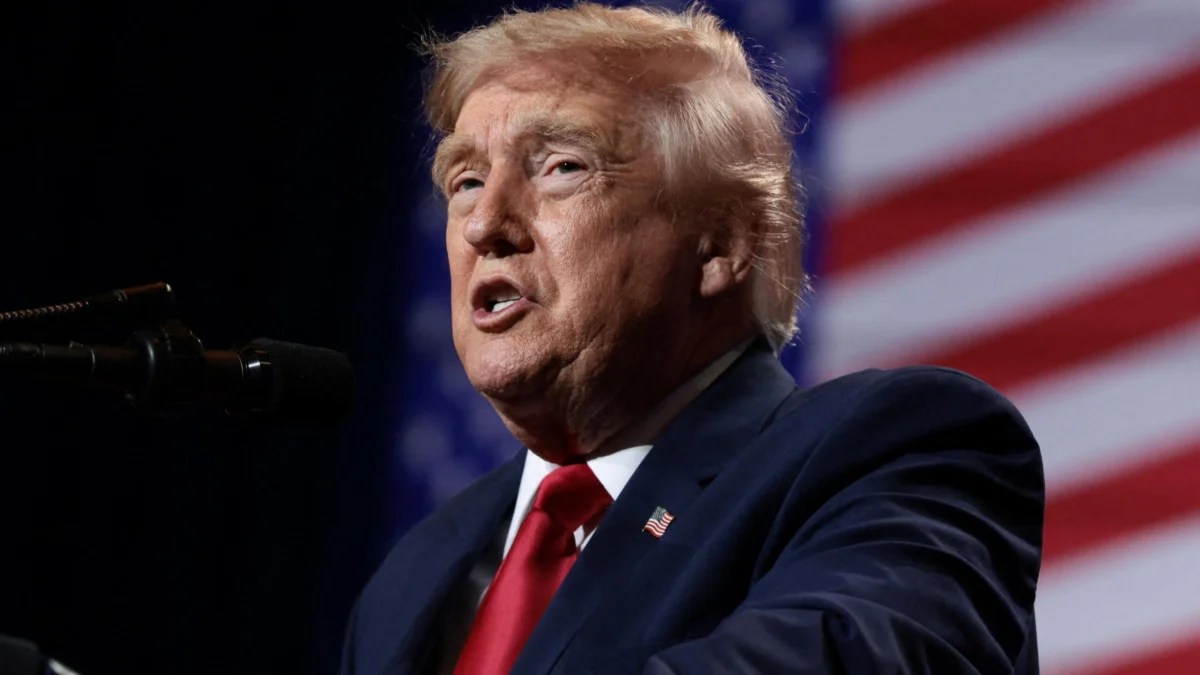
 George Anjay