Roy Suryo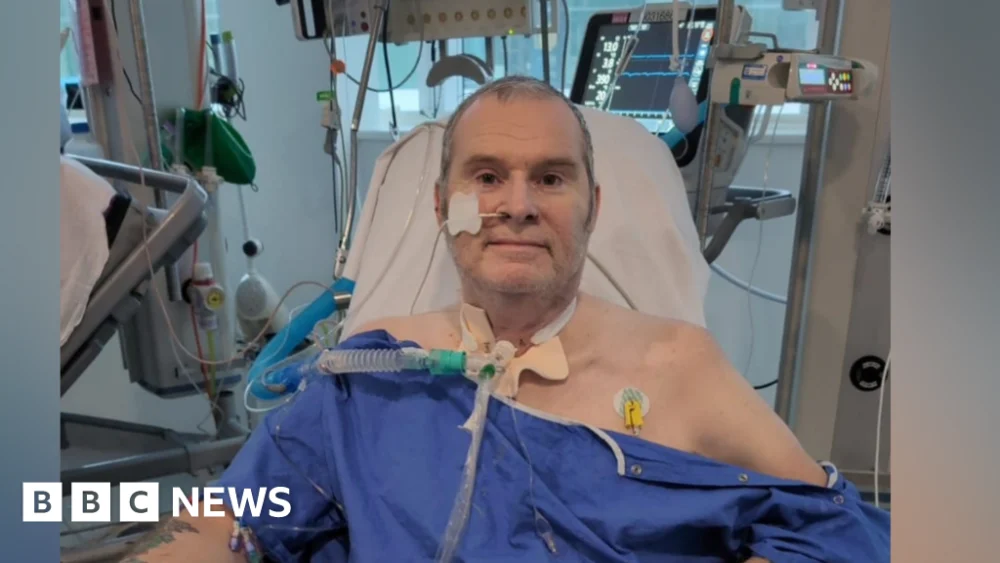
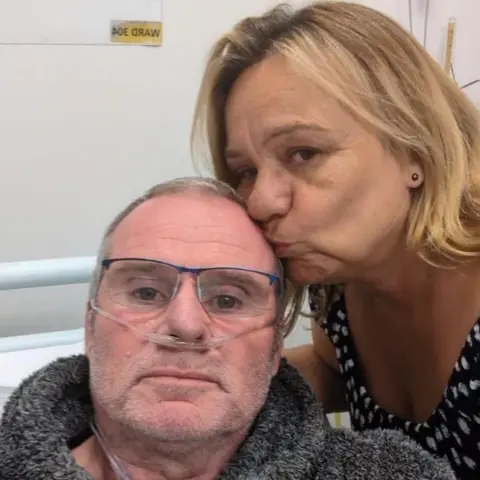
For nearly a year, Matthew Smith began each day with a profound question: would this be the day he received the life-saving phone call? Diagnosed with a terminal lung condition in 2023, he endured months of agonizing uncertainty on the waiting list for an urgent double lung transplant. "From when you first wake up, you think, is today going to be the day we get that call?" he recounted. For him and his wife, Nicola, from Wednesbury, life became a perpetual state of waiting. "I would wake up through the night just to double check my phone that I haven’t slept through a phone call," Nicola added, her voice tinged with the memory of those sleepless nights.
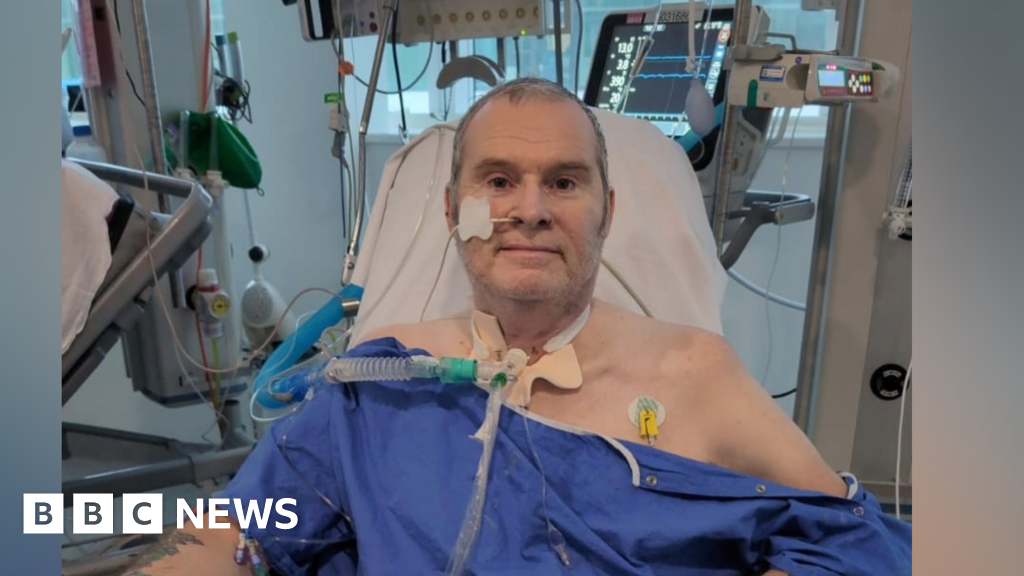
The call, after ten relentless months, finally arrived. Yet, in the UK, over 8,000 individuals, a number higher than ever before, are currently awaiting organ donations. While the demand for organs has reached an all-time peak, the rate of donor consent has plateaued. Increasingly, families are declining to permit their deceased loved ones’ organs to save the lives of others. This trend has directly contributed to longer waiting times for individuals like Matthew Smith and the 500 others in the West Midlands who are in desperate need of vital transplant surgery.
In 2020, England adopted an "opt-out" organ donation system, following the lead of Wales, which implemented a similar policy five years prior. Under this system, all adults are presumed to consent to organ donation unless they explicitly register their objection. In 2018, Theresa May’s government projected that this shift could save up to 700 lives annually. However, a significant challenge remains: family members retain the right to override a deceased individual’s wishes to donate their organs, even if that person was registered as a donor.
The reasons cited by families for blocking donations are varied and often deeply personal. They include a lack of certainty about the patient’s wishes, the perceived lengthy process of organ retrieval, a reluctance for further surgical intervention on the body, or adherence to specific religious or cultural beliefs.
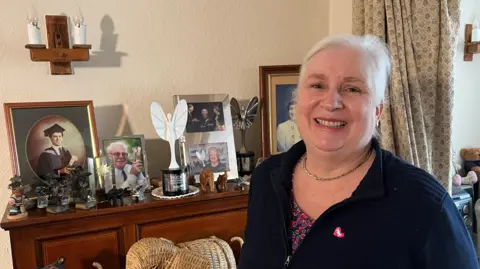
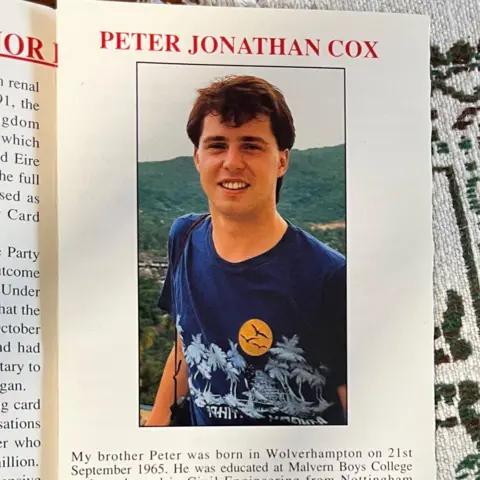
Christine Cox MBE, a resident of Wolverhampton, has dedicated over 35 years to campaigning for organ donation. Her advocacy began after her brother, Peter, tragically died from a brain tumour in 1989 at the young age of 24. "Unfortunately, no organ would save him, but it was his final wish that his life should benefit others, and indeed, 17 people benefitted from him donating all of his organs when he died," she shared, her voice resonating with a profound sense of purpose. "He did say it was our duty to ensure that as many organs as possible could benefit others."
Christine and her parents were struck by the absence of a dedicated organ donor register at the time of Peter’s death. This realization fueled their relentless campaign, which ultimately contributed to the establishment of the organ donor register in 1994. Prior to this, organ donation relied solely on individuals carrying organ donor cards. "People didn’t always carry the donor card on them in their pockets and handbags, and the nurses and doctors didn’t have time to look through. So there was a problem," Cox explained, highlighting the practical difficulties of the previous system.
Over the years, Cox has been a tireless and influential campaigner, earning numerous accolades for her dedication. While she celebrated the introduction of the opt-out system, she later recognized a critical "fatal flaw": the ability of next of kin to revoke a deceased individual’s donation wishes. She firmly believes that open communication is the most effective solution. "I implore everybody not just to make their wishes known but to talk to their friends and their family and also find out what their friends and family want," she urged. "It possibly will never happen, however, everyone needs to know what your wishes are."
This emphasis on conversation is echoed by the NHS, whose recent "Hope Takes Flight" campaign strongly encourages families to discuss organ donation before it is too late. Harpreet Matharu, an organ donation specialist nurse for the NHS, stated, "What we’ve always said is talk to your loved one, make a decision, and sign on the register, because we know when a patient has opted in and had those conversations, consent is much higher in those circumstances."
For individuals who may feel apprehensive or "squeamish" about the donation process, Matharu stressed the importance of understanding the facts. She explained that organ donation often aids in the grieving process for families. "When you donate, you are looked after with the utmost respect in hospitals, and all your religious and cultural needs are still catered for," she assured.
Nicola Smith described the day of Matthew’s transplant as an "incredibly long day." "I think I cried from when he went in until he came out. It’s the start of a new beginning. It’s a new life," she said, her eyes reflecting a mixture of relief and gratitude. "He can do so much more now; he can take part in things. It just feels like his life’s just beginning again now." The couple is eagerly anticipating renewing their wedding vows on their 30th anniversary this year, a celebration they plan to hold on the beach in Cornwall.
Nicola passionately urged others to consider the profound impact of organ donation, encouraging them to think seriously about leaving a lasting legacy. "You’re giving somebody the chance of a new future, to live a good, long life. To make memories."


 Nakalama John
 atisusanti
 Ramos Leo