Nana Banana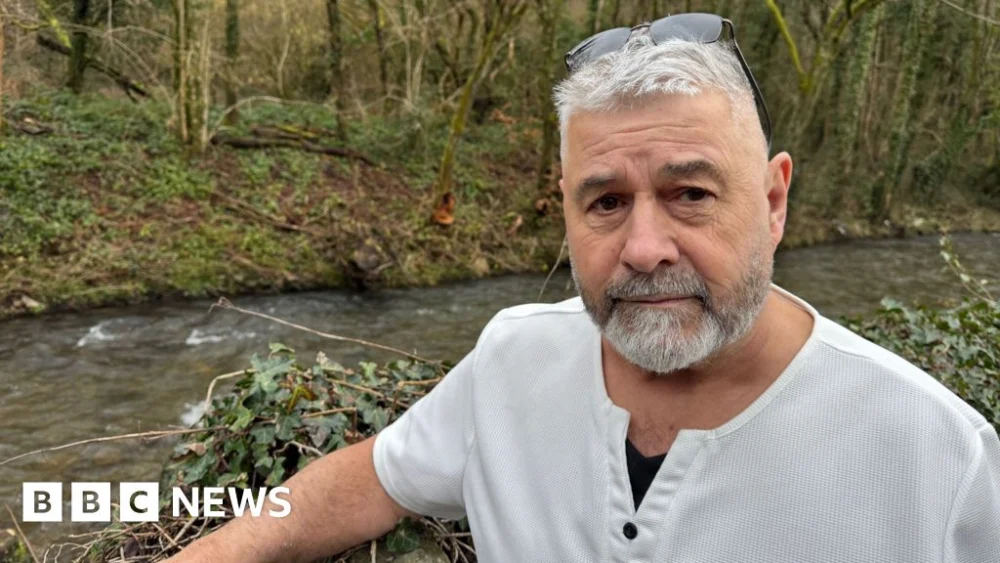
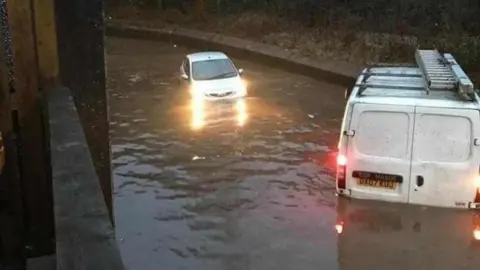
Clydach Terrace, nestled in the Welsh valleys, has long contended with the threat posed by the nearby Nant Clydach stream, a tributary of the River Taff. However, in recent years, this threat has intensified dramatically, culminating in what officials describe as a "unique risk of significant flooding." The street became a grim tableau of devastation during the consecutive deluges of Storm Dennis and Storm Bert. These powerful weather events, occurring within a short period, saw the Nant Clydach burst its banks with unprecedented force, transforming the residential street into a raging torrent. Homes were extensively damaged, many left uninhabitable for months, and the psychological scars ran deep, forcing residents into a perpetual state of vigilance and fear.
Paige Didcote, a 27-year-old ambulance service worker and resident of Clydach Terrace, vividly articulates the profound toll this constant threat has taken. Her anxiety, she explains, is "through the roof," a pervasive dread that infiltrates every aspect of her life. Leaving her dogs at home during the day, knowing the vulnerability of her property, becomes an unbearable source of worry. "If there is a flood warning and our dogs are in the house it terrifies us because we both travel over an hour to and from work," she laments, highlighting the logistical and emotional nightmare that accompanies every weather forecast. For families with young children or elderly relatives, the burden is even heavier, transforming everyday living into a constant battle against an unseen, yet ever-present, environmental threat.
The council’s resolution, unanimously approved by councillors, will see the acquisition of numbers 1-16 on Clydach Terrace. The allocated sum of £2.57 million is not merely for the purchase of properties but also covers incidental costs, crucial relocation assistance, and associated legal fees, acknowledging the complex process of uprooting an entire community. Notably, properties 6a and 6b Clydach Terrace have been excluded from the compulsory purchase order. These homes, situated in an elevated position relative to the road, are not deemed to be at the same high risk of flooding as their neighbours, illustrating the precise and targeted nature of the council’s intervention.
The decision to buy out and demolish rather than reinforce is rooted in a pragmatic, albeit grim, assessment by environmental experts. Natural Resources Wales, the nation’s principal environment body, concluded that constructing a raised flood defence wall along the Nant Clydach tributary was "not economically viable." This stark assessment underscores the scale of the challenge and the futility of conventional engineering solutions in the face of increasingly severe and frequent weather events. A wall currently separates the stream from the street, but it proved insufficient against the sheer volume and force of water during Storm Dennis and Bert.
The cabinet report detailing the proposal painted a dire picture of life on Clydach Terrace. It highlighted how, during the aforementioned storms, "much of the pavement and highway was under water," leading to extensive and repetitive damage to properties. Beyond the physical destruction, the report emphasized the critical issue of insurability. Residents faced immense difficulties in obtaining home insurance, or were quoted prohibitive costs, effectively trapping them in homes that were both physically vulnerable and financially unprotected. Furthermore, the report stressed the "significant risk to health and danger to life in the area," a chilling reminder of the very real human cost of living on the floodplain.
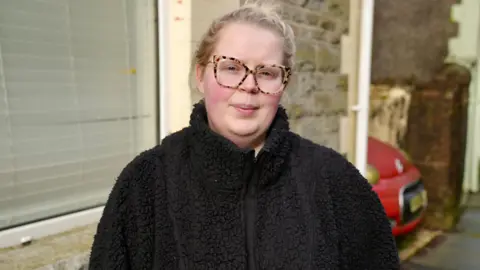
For Paige, despite the emotional attachment to her home and community, the buy-out represents the only path forward. "I’m hoping that they will buy us out, it’s the only option unfortunately and the best option," she stated, her voice tinged with both resignation and hope. The prospect of relief from the relentless anxiety is palpable. "It will just take the anxiousness away from every storm, every winter – even when it rains the anxiety levels are through the roof," she added, encapsulating the psychological liberation this decision promises.
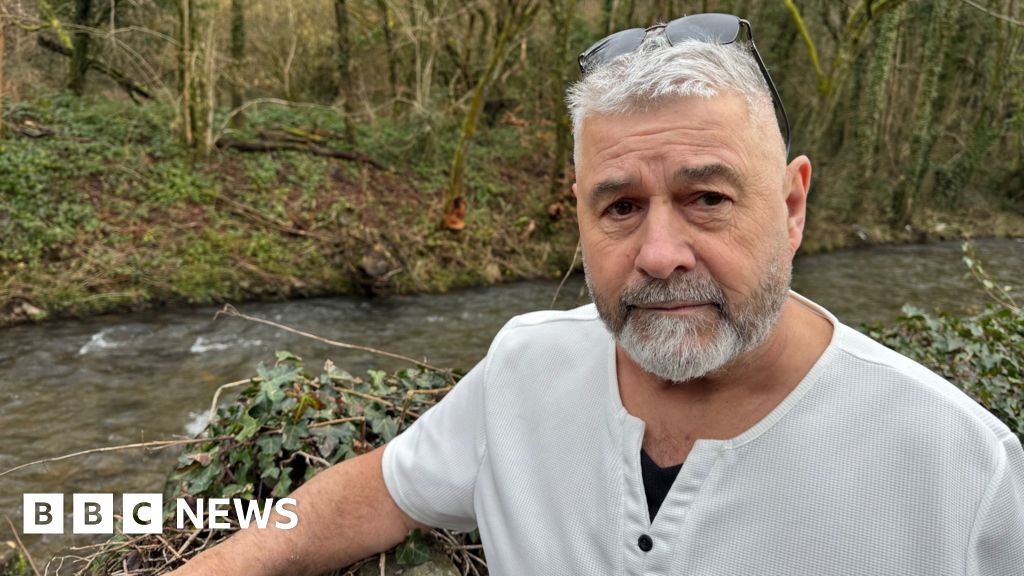
Paul Thomas, 66, has called Clydach Terrace home for four decades, a lifetime of memories woven into the fabric of the street. His personal account of Storm Dennis is a terrifying testament to the dangers faced by residents. "A wave came up the street and knocked me off the step, I was carried across the road, over to the wall, but I was able to kick off and get back," he recounted, his voice still carrying the tremor of that near-death experience. He vividly remembers pulling pipes off houses in a desperate attempt to anchor himself and avoid being swept into the surging river and down a tunnel – an outcome that would have been fatal. The sheer power of the water was enough to "break doors and windows," leaving an indelible mark on his memory and his home.
For Paul, the potential move is profoundly bittersweet. His daughter lives next door, and his grandson and daughter-in-law reside on the other side, forming a close-knit family unit that will now be dispersed. "My grandson is devastated," he admitted, reflecting the emotional upheaval facing the younger generation. Yet, there is a clear understanding that departure is inevitable. "But we’ve resigned ourselves to the fact that we’ve got to go," he said, accepting the painful reality that climate change has dictated their future. The uncertainty about where he and his family will go next, and the slim chances of being able to live in neighbouring homes again, adds another layer of sorrow to the displacement. "We know that’s all going to change," he acknowledged.
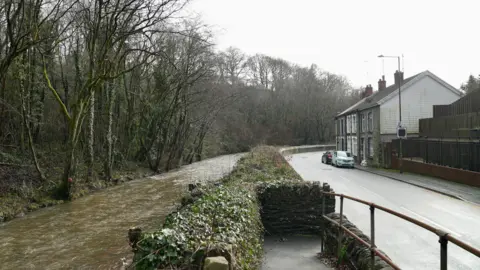
The council report unequivocally stated that if the purchase was approved, the properties would be demolished, and critically, "any flood risks would be removed." This implies a return of the land to a more natural state, potentially serving as a green buffer or an expanded floodplain, allowing the Nant Clydach more room to swell without endangering lives or property. This "managed retreat" approach is gaining traction globally as communities face the increasingly unavoidable consequences of a changing climate.
Paul emphasized the collective feeling of having no choice but to leave. "We watch a weather report and our whole world crumbles around us – it’s taken a toll on our health if I’m perfectly honest with you – it’s taken over our lives," he confessed, highlighting the chronic stress and anxiety that have become a daily companion for the residents. "As soon as we’re able too, we’ve got to go," he reiterated, underscoring the urgency and inevitability of their situation.
Both Paul and Paige expressed uncertainty regarding the exact financial compensation they might receive. "A lot of people are speculating we’re going to get a tremendous amount of money – it doesn’t work like that," Paul clarified, managing expectations. The focus is not on financial gain, but on securing a safe and stable future. Paige, despite the trauma, still holds a strong affection for the area. "No plan at the moment, no figures at the moment – I do love the area, it’s just a shame that the river is across the road," she concluded, her words capturing the deep-seated attachment to her home and the unfortunate geographical reality that has necessitated this difficult decision.
This landmark decision by Rhondda Cynon Taf council reflects a growing recognition that for some communities, traditional flood defences are no longer sufficient or economically viable. It is a stark example of how climate change is forcing local authorities and residents to make difficult choices, sacrificing homes and communities to protect lives. The story of Clydach Terrace is not just about a street in Wales; it is a microcosm of a global challenge, highlighting the profound human cost and complex social implications of adapting to a rapidly changing environment. As communities across the world face similar dilemmas, the experiences of Ynysybwl will undoubtedly serve as a crucial, if somber, case study in climate resilience and managed retreat.

 Roy Suryo