Nana Banana
A groundbreaking aspect of this collaboration is the innovative design of some new wind farms, which for the first time will be directly linked to multiple countries through advanced undersea cables known as interconnectors. Proponents of this integrated grid system argue that it will foster greater price stability and potentially lower electricity costs across the entire region by allowing power to flow efficiently to where it is most needed. However, this novel approach is not without its controversies. Critics and concerned parties suggest that such a system could empower wind farm operators to strategically sell power to the highest bidder among the connected countries, potentially driving up domestic electricity prices in certain nations during periods of tight supply or high demand.
The formal commitment to this scheme is expected to be sealed on Monday at a pivotal meeting in the German city of Hamburg, focused on the future of the North Sea’s energy landscape. A UK representative, acting on behalf of the Energy Secretary, is slated to sign the declaration, solidifying the nation’s pledge to complete the vast infrastructure project by 2050. This long-term vision underscores a shared European determination to harness the immense renewable energy potential of the North Sea.
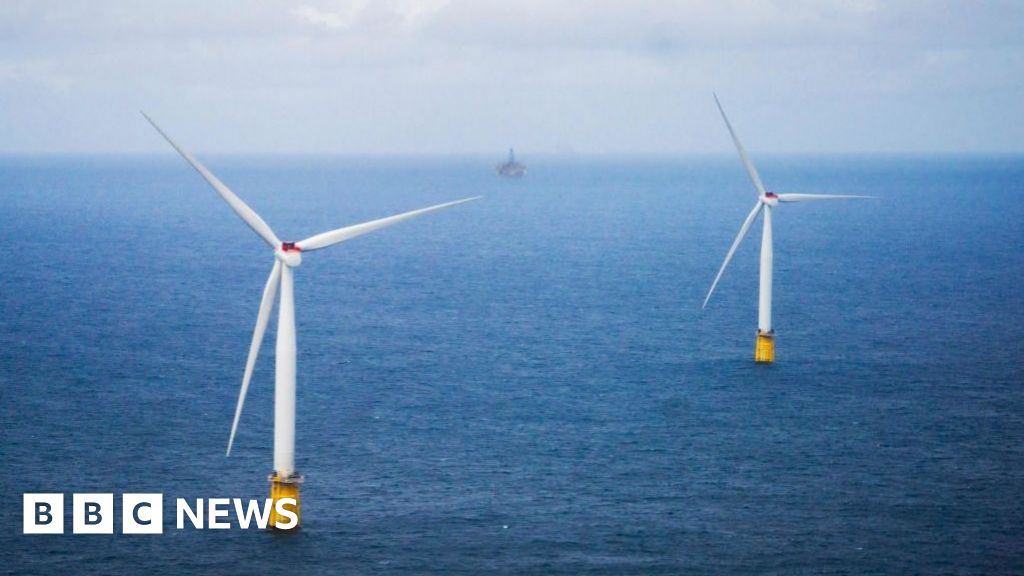
Industry leaders have largely welcomed the move. Jane Cooper, deputy CEO of the influential industry body RenewableUK, expressed strong support, stating that the deal would "drive down costs for billpayers" by creating a more interconnected and resilient energy market. She further emphasized its critical role in significantly increasing "the energy security of the UK and the whole of the North Sea region." This perspective highlights the dual benefits of economic efficiency and strategic resilience against external energy shocks.
However, the opposition has voiced concerns regarding the potential economic impact on consumers. Claire Countinho, the shadow energy secretary, issued a cautionary note, asserting that "we cannot escape the fact that the rush to build wind farms at breakneck speed is pushing up everybody’s energy bills." This statement reflects a broader debate within the UK political landscape about the pace and cost of the energy transition, particularly concerning the initial investment required for large-scale renewable projects and their perceived impact on household expenses.
The concept of interconnectors, while now being applied directly to wind farms in a novel way, is not entirely new. A comprehensive network of undersea cables already links the electricity grids of various European countries, with the UK alone boasting ten such connections. These existing interconnectors have proven instrumental in facilitating cross-border electricity trade, balancing supply and demand, and enhancing grid stability. By connecting wind farms directly to multiple national grids, the new project aims to elevate these benefits, creating a truly integrated offshore energy system.

Most energy economists generally concur that an increase in connections between the UK and other European grids is beneficial, leading to reduced costs and improved security of supply. National Grid, the UK’s electricity system operator, has previously highlighted how these cables help mitigate price spikes. For instance, surplus energy generated off-peak in one country can be sold cheaply to another, leveraging time zone differences or variations in peak demand cycles, thereby optimizing resource allocation and reducing waste.
Despite the widely acknowledged benefits, interconnectors have occasionally sparked controversy, particularly in countries like Norway. Here, concerns have been raised that selling domestically generated power to foreign nations could deplete local supplies and subsequently drive up prices for Norwegian consumers. Such anxieties led the Norwegian government to implement new regulations designed to restrict electricity exports when domestic supply might be at risk. This protective stance was further evidenced by Norway’s refusal to grant permission for a new interconnector to Scotland, underscoring the delicate balance between international energy cooperation and national energy security interests.
Beyond economic and energy considerations, the summit in Hamburg is also addressing critical security aspects. Both NATO and the European Commission are actively participating, and the discussions are expected to include pledges to strengthen the security of offshore energy infrastructure. This heightened focus on protection comes amid increasing concerns over potential sabotage and unsafe maritime activity, particularly in the wake of incidents like the Nord Stream pipeline explosions, which highlighted the vulnerability of vital undersea infrastructure to malicious acts. Safeguarding these massive wind farms and their connecting cables will be paramount to the success and reliability of the entire project.
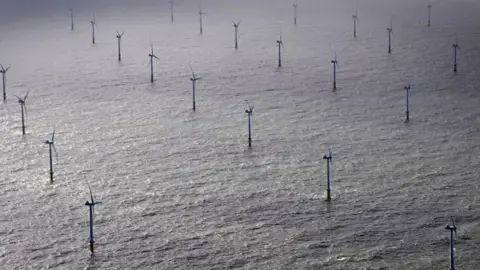
The agreement in Hamburg serves as a powerful reaffirmation of Europe’s unwavering commitment to wind power, a stance that stands in stark contrast to renewed criticism from figures like former US President Donald Trump. During a recent speech at the World Economic Forum in Davos, Trump once again derided what he called "windmills," reiterating his skepticism about renewable energy. Europe’s collective action, however, demonstrates a clear political will to advance green energy solutions despite such external pressures.
Three years prior, the North Sea countries collectively pledged to develop a staggering 300 gigawatts (GW) of offshore wind capacity. This new, more detailed agreement specifies that 100 GW of that ambitious total will be constructed through joint ventures, fostering deeper international cooperation. Furthermore, it is anticipated that the declaration will set an interim target, aiming for 20 GW of this jointly developed capacity to be operational by 2030, marking significant progress towards the broader 2050 goal.
Globally, the landscape of offshore wind power is rapidly evolving. China currently leads the world in installed offshore wind capacity, boasting 43 GW out of a global total of 83 GW, according to a report from industry body RenewableUK last year. This demonstrates the scale of ambition and investment required to become a global leader in this sector, and Europe’s coordinated efforts are clearly aimed at solidifying its position as a major player.
Domestically within the UK, the government’s approach to offshore wind has faced scrutiny from various political factions. The Conservatives have criticized what they perceive as the government "locking in" high offshore wind prices, suggesting that procurement strategies have not always yielded the most cost-effective outcomes for consumers. The Reform party has consistently attacked the overall cost of net zero policies, advocating for a re-evaluation of the financial burden associated with the green transition. Conversely, the Liberal Democrats and the Green Party are staunch supporters of expanding renewables, viewing it as essential for tackling the urgent threat of climate change, fostering innovation, and creating a new wave of green jobs. Meanwhile, the Scottish National Party (SNP) and Plaid Cymru in Wales also back the growth of offshore wind but advocate for greater control over their respective energy resources, arguing that Scotland and Wales should have more autonomy in managing the vast renewable potential within their territorial waters. This complex interplay of national and regional interests underscores the multifaceted nature of large-scale energy projects.



 George Anjay
 Nakalama John
 atisusanti
 Ramos Leo