Nana Banana
Businesses across the globe face an existential threat unless they fundamentally shift their operations to protect and actively restore the natural world, a landmark report from leading international scientists unequivocally warns. This urgent assessment, compiled by the Intergovernmental Science-Policy Platform on Biodiversity and Ecosystem Services (IPBES), underscores that the degradation of ecosystems is not merely an environmental concern but a profound economic risk that could lead to the collapse of countless enterprises.
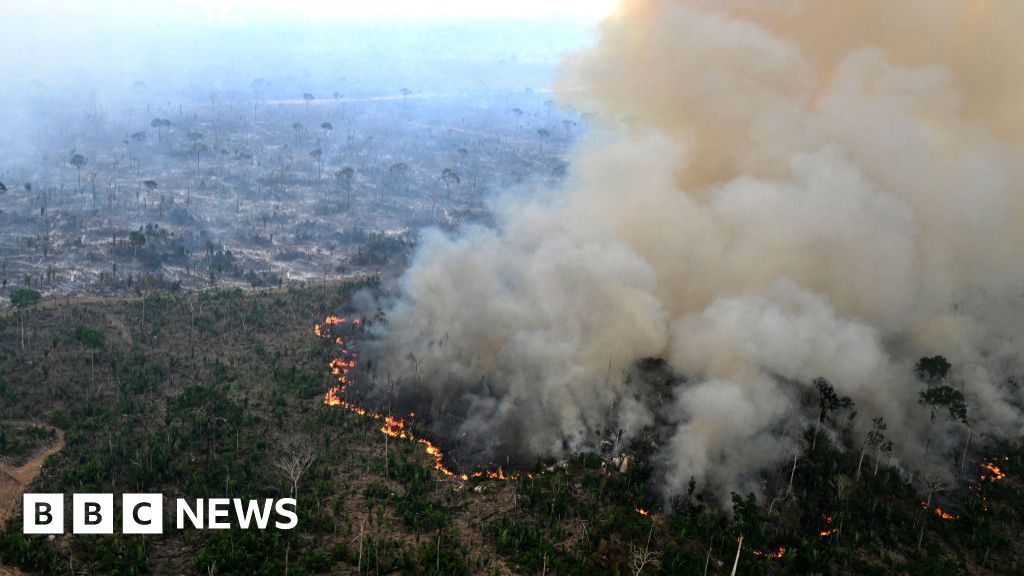
IPBES, often likened to the Intergovernmental Panel on Climate Change (IPCC) but for biodiversity, is the foremost intergovernmental body assessing the state of the planet’s biodiversity, its ecosystems, and the contributions they make to society. Its reports synthesize scientific findings from around the world, providing policymakers with objective, up-to-date knowledge. This particular assessment, which drew on contributions from hundreds of leading experts and received approval from 150 governments, carries immense weight, signifying a global scientific consensus on the dire state of nature and its implications for human economies.
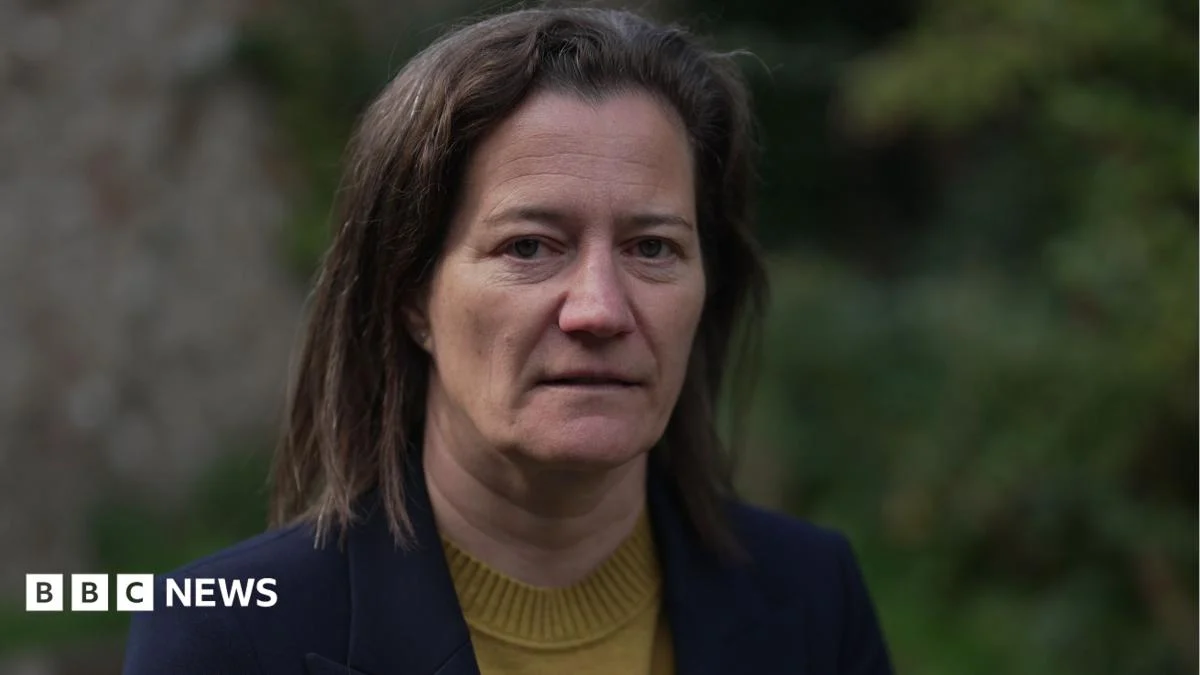
The report serves as a stark wake-up call, emphasizing that all businesses, regardless of their sector or perceived distance from nature, are inextricably linked to and dependent on healthy ecosystems. Co-author Matt Jones, from the UN World Conservation Monitoring Centre in Cambridge, articulated the stark choice facing the corporate world: businesses can either lead the charge in conservation and restoration, or they "ultimately risk extinction… both of species in nature, but potentially also their own." This isn’t hyperbole; it points to a future where disrupted supply chains, resource scarcity, heightened regulatory pressures, reputational damage, and financial instability could cripple companies that fail to adapt.
The foundational premise of the report is that nature provides invaluable "ecosystem services" for free – services that underpin all economic activity. These include the purification of water and air, the formation of fertile soils, the pollination of crops, the regulation of climate, and the provision of raw materials. For instance, wetlands naturally filter pollutants from water, reducing treatment costs for municipalities and industries. Forests absorb vast quantities of carbon dioxide, helping to stabilize the climate and mitigating the impacts of extreme weather events that can disrupt business operations. Pollinators, primarily insects, are essential for over 75% of global food crops, a service worth billions annually to the agricultural sector. When these natural systems are degraded, businesses incur direct and indirect costs – from investing in artificial filtration systems to facing crop failures and increased insurance premiums.
Professor Stephen Polasky, a co-chair of the IPBES assessment, highlighted a troubling paradox at the heart of the current economic model. He noted that the loss of biodiversity ranks among the most serious threats to business viability, "yet the twisted reality is that it often seems more profitable to businesses to degrade biodiversity than to protect it." This short-sighted profitability stems from a failure to account for environmental externalities – the hidden costs of pollution or habitat destruction that are borne by society and nature, rather than by the companies responsible. Subsidies for environmentally harmful practices, weak regulations, and a focus on short-term financial gains further exacerbate this "twisted reality," making it appear cheaper to extract and pollute than to invest in sustainable practices.
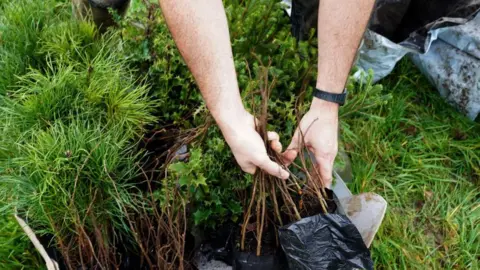
The report’s findings resonate particularly strongly amid major concerns over nature loss within the UK. The country is recognized as one of the most nature-depleted nations globally, with significant declines in species populations and habitat degradation. This context makes the call for businesses to engage with nature protection not just a global imperative, but a domestic necessity. Leigh Morris, International Director of The Wildlife Trusts, a consortium of UK wildlife charities, emphasized this shift: for many UK businesses, engaging with nature protection has rapidly transitioned from being "a nice-to-do" charitable endeavour to a "must-do" strategic imperative. He stressed the urgent need for "clear metrics and toolkits so businesses can get their own houses in order on biodiversity," indicating a demand for standardized, measurable ways for companies to assess and report their nature-related impacts and dependencies. This includes developing science-based targets for nature, akin to those for climate, and integrating nature positive outcomes into core business strategies.
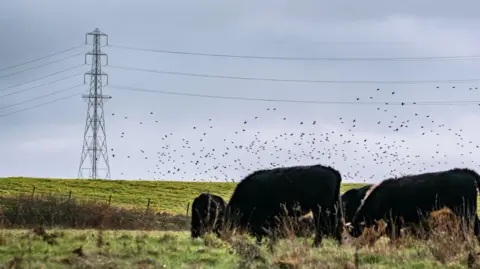
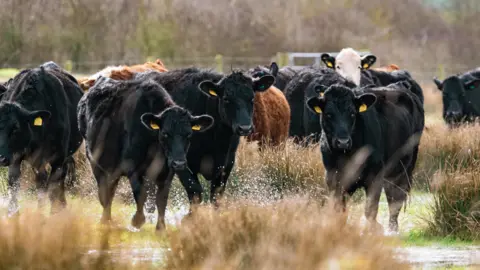
One compelling example of how companies are beginning to work hand-in-hand with nature is found at Steart Marshes in Somerset, UK. This vast wetland reserve, developed by the Wildfowl and Wetlands Trust (WWT) in partnership with the Environment Agency, demonstrates an innovative approach to land management that benefits both wildlife and agriculture, while also providing critical community services. Farmers and conservationists collaborate to manage the land, employing traditional grazing methods that are integral to restoring and maintaining healthy habitats. Here, cattle are not just livestock; they are active partners in conservation.
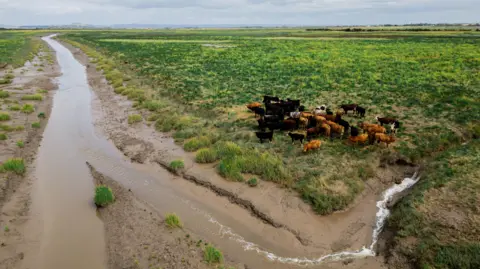
Local farmer Andy Darch explained the symbiotic relationship: "They are eating different types of grasses and trampling areas that are important for wildlife." This natural grazing helps prevent a single species from dominating, fostering a diverse range of plants and creating varied micro-habitats crucial for insects, birds, and other wildlife. Crucially, Darch added, "And because they are eating such a variety of plants, it produces a really high-quality beef at the end of the day." This highlights how nature-friendly farming can yield premium products, demonstrating a viable economic model where ecological health directly contributes to commercial value.
Beyond agricultural benefits, Steart Marshes vividly illustrates how restoring nature can deliver substantial advantages for local communities. The newly engineered flood banks, designed to manage coastal erosion and rising sea levels, protect nearby villages from inundation. These wetlands also play a vital role in absorbing carbon from the atmosphere and naturally filtering pollutants, enhancing local environmental quality. Alys Laver from the Wildfowl and Wetlands Trust underscored the multi-faceted benefits: "Not only are those flood banks an engineering marvel, they’re providing flood protection for the local villages." She emphasized that this integrated approach represents a fundamental "change" rather than a "loss" for farming, by creating new economic opportunities within a resilient, biodiverse landscape. The marsh also provides recreational opportunities, boosting local tourism and well-being.
The IPBES report pointed to several "everyday incentives" that are currently driving nature’s decline, many of which are embedded in our economic systems and consumption patterns. These include: unsustainable agricultural practices driven by demand for cheap food and commodity crops; habitat destruction for urban development, infrastructure projects, and resource extraction; over-exploitation of natural resources such as overfishing and illegal logging; widespread pollution from industrial waste, plastics, and agricultural runoff; the accelerating impact of climate change which exacerbates all other drivers; and the spread of invasive alien species. Perhaps most insidious are perverse subsidies, where governments inadvertently support environmentally damaging activities, effectively making it more profitable to harm nature than to protect it. Addressing these systemic issues requires a fundamental rethinking of economic models and incentives.
Despite the escalating risks, the report highlighted a worrying lack of corporate accountability: less than 1% of publicly reporting companies currently mention their impacts on biodiversity in their financial disclosures. This glaring omission indicates a profound disconnect between the recognized severity of nature loss and its integration into corporate strategy and risk management. Without transparent reporting on nature-related dependencies, impacts, risks, and opportunities, businesses cannot effectively manage their exposure, and investors cannot make informed decisions. The report concludes that better stewardship of nature is not a peripheral environmental issue to be delegated to a corporate social responsibility department, but a core strategic challenge that must be addressed in every boardroom. Integrating nature-positive actions into business models is not merely an ethical imperative, but an essential component of long-term resilience, financial stability, and sustained prosperity in an increasingly resource-constrained and environmentally volatile world.


 Roy Suryo