Ramos Leo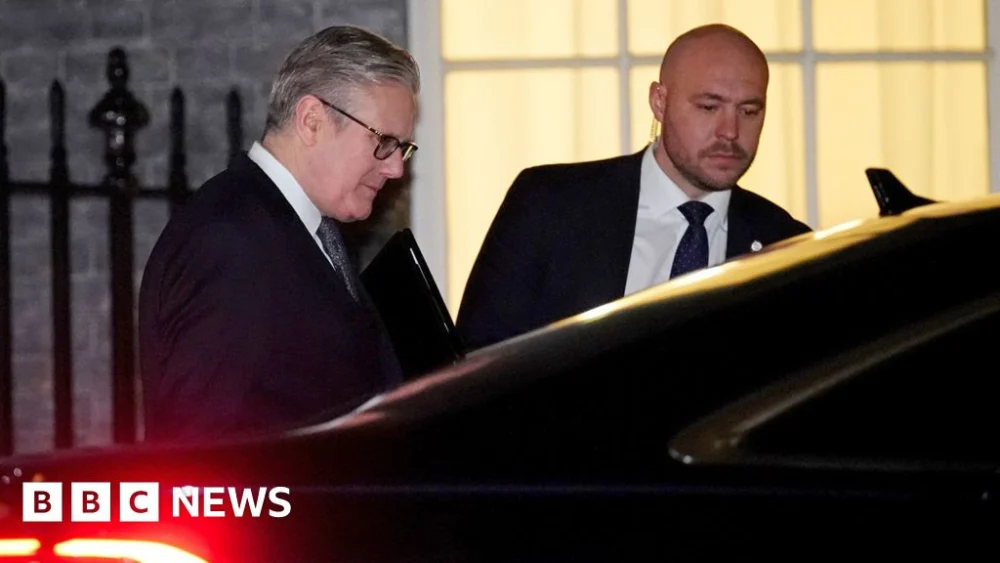
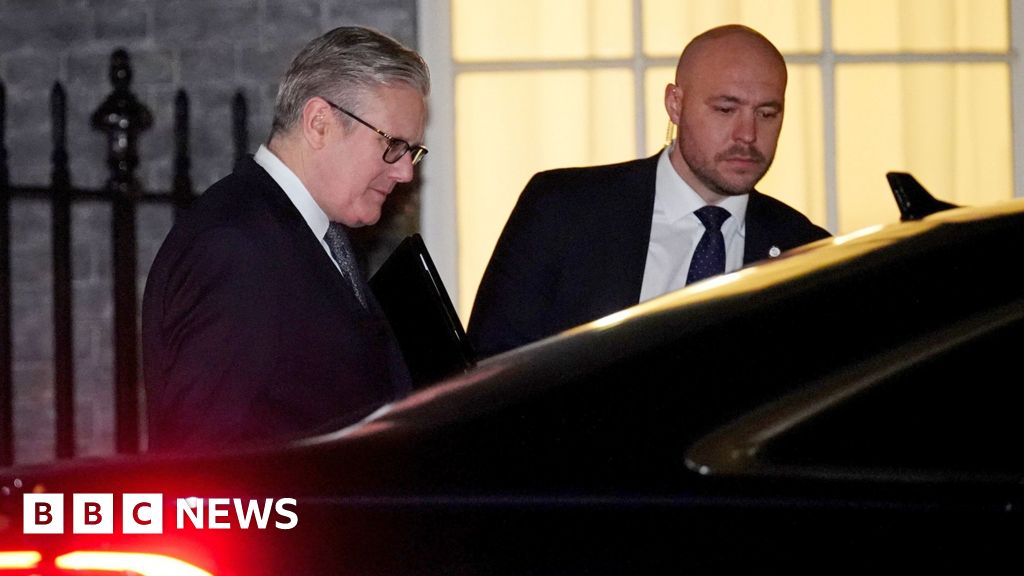
The past week has seen Sir Keir Starmer, the leader of the Labour Party, navigate what can only be described as a political near-death experience, emerging from the crucible of intense scrutiny and internal pressure, for now at least. At several critical junctures, his leadership appeared to hang by a thread, with whispers of an imminent departure circulating through Westminster. The very survival of his tenure as prime minister seemed to be in question, demanding an immediate and decisive response from his party.
The precariousness of his position was underscored by the prevailing sentiment that if figures such as Scottish Labour leader Anas Sarwar’s purported desire to dislodge Sir Keir Starmer had found more overt public backing from other senior party figures, the situation could have escalated beyond redemption. Such an open challenge from a prominent regional leader would have undoubtedly fractured the party’s fragile unity and provided significant ammunition to those questioning Starmer’s grip on power. The absence of such public accomplices proved to be a crucial factor in his immediate survival, preventing a domino effect of resignations or calls for a leadership contest.
A pivotal moment arrived on Monday afternoon, a juncture where the political currents could have irrevocably shifted in one of two starkly different directions. Had influential voices within the party joined a chorus advocating for Sir Keir’s removal, it is widely believed that he might not have concluded the day without being forced to announce his resignation. The gravity of the situation demanded a clear demonstration of loyalty or a definitive break.
Instead, what transpired was a concerted rallying of support that emanated from the highest echelons of the party, including key cabinet ministers, and extended across various ideological wings of the Labour Party. This coordinated show of solidarity acted as a vital political lifeline. The sheer volume of public declarations of loyalty, particularly through social media posts, was not merely routine political theatre. On the contrary, it served as an stark indicator of just how perilous Sir Keir’s position had become, revealing the depth of the crisis he faced. He required, quite literally, a scaffolding of political support from every available quarter to prop up his beleaguered leadership.
This outpouring of support, however, did materialise, allowing him to weather the immediate storm and successfully fend off what was undeniably the moment of maximum danger for his premiership. Yet, to conflate survival with triumph would be a profound misreading of the situation. This has been an undeniably deeply wounding week for Sir Keir, leaving him considerably weakened in the eyes of both his party and the wider public. His authority has been diminished, and the internal cracks within Labour have been exposed for all to see.
The road ahead is not only challenging but fraught with jeopardy, as a series of crucial electoral tests loom large on the political calendar. The first significant hurdle is the Gorton and Denton by-election in Greater Manchester, scheduled to take place in just over a fortnight. By-elections are often seen as microcosms of national sentiment, and a poor showing for Labour in what should be a relatively safe seat could reignite questions about Starmer’s electability and strategy. A loss, or even a significantly reduced majority, would be interpreted as a direct indictment of his leadership and the party’s direction.
Following closely are the critically important Scottish and Welsh devolved elections, alongside English local elections, all slated for May. These comprehensive electoral contests serve as vital barometers of public opinion across the nation. For Labour, under Starmer, the stakes are exceptionally high. In Scotland, the party aims to claw back lost ground, while in Wales, maintaining its strong historical presence is paramount. The English local elections, meanwhile, offer a broad canvas to assess the party’s appeal in diverse communities. If the outcomes of either or both of these dates prove to be "doomladen" for Labour – signifying significant losses or a failure to make expected gains – the blame will inevitably fall squarely on the prime minister’s shoulders, further eroding his already fragile mandate within the party.
Reflecting on the preceding months, there has been a detectable sense that concerns within the Labour Party regarding Sir Keir’s leadership have been steadily accumulating, notching up remorselessly. However, it was the sheer horror and widespread revulsion generated by the revelations surrounding Lord Mandelson that rapidly accelerated these simmering doubts to a critical crunch point. The intensity of public and internal reaction to these disclosures was swift and overwhelming, forcing the question: was it time to change leader?
Despite the profound disquiet, the party ultimately "blinked" and opted against immediate leadership change, for now. The recurring sentiment picked up from numerous Labour figures was not a sudden surge of "gushing support" for Sir Keir Starmer. Instead, it was a deep-seated apprehension about being perceived as the architects of yet more spectacular political turbulence. The prospect of unilaterally removing a prime minister, even one facing significant unpopularity, who possessed an electoral mandate from the public, and then selecting a successor from within their own ranks who lacked such a public mandate, was deemed too risky. As one Labour figure succinctly put it, the fear was of "behaving just like the Conservatives did" – a clear reference to the recent tumultuous period of leadership changes within the Conservative Party, which many viewed as undemocratic and destabilising.
This collective conclusion among Labour MPs, that such a drastic leap was simply "too big a leap, for now," speaks volumes about the party’s current strategic calculus. The desire for stability, even under a challenged leader, currently outweighs the appetite for further internal upheaval, particularly with crucial elections on the horizon.
As the prime minister now attempts, yet again, to "reset" his government and articulate a clear vision for its direction, there are tangible changes afoot. We anticipate an announcement regarding the departure of the country’s most senior civil servant, Chris Wormald, from his influential post. Such a high-profile departure, particularly in the wake of significant political turmoil, could be interpreted as a move to stamp Starmer’s authority on the civil service or to signal a new direction, potentially aimed at restoring confidence in the administration.
Furthermore, the events that have unfolded at Westminster in recent days are far from isolated incidents and are poised to send ripples through the political landscape for weeks and months to come. The parliamentary vote mandating the publication of an extensive array of documents and messages, directly prompted by the Lord Mandelson scandal, carries significant future implications. These disclosures could yet provoke considerable embarrassment for individuals and the party, and potentially even trigger diplomatic headaches with key international allies, most notably Washington, if sensitive information related to international relations or confidential dealings comes to light.
In this climate of intense scrutiny and future uncertainty, one prominent figure, widely noted for his prime ministerial ambitions, has already taken proactive steps to get ahead of potential fallout. Health Secretary Wes Streeting’s transparent attempts to "cleanse his reputation" are particularly telling. After years of association with Lord Mandelson, Streeting’s decision to publicly release their text exchanges is a clear strategic move. It aims to distance himself from any potential taint of the ongoing scandal and demonstrate his commitment to transparency, particularly given the historical controversies that have sometimes surrounded Mandelson. This action serves as a potent reminder of Streeting’s long-term aspirations, signaling his readiness for the job he "quite fancies" after his current cabinet role. Indeed, this episode underscores that the broader narrative stemming from the consequences of these recent tumultuous days is far from reaching its conclusion. The aftershocks will continue to shape Labour’s trajectory and the dynamics of British politics for the foreseeable future.


 Roy Suryo