
 George Anjay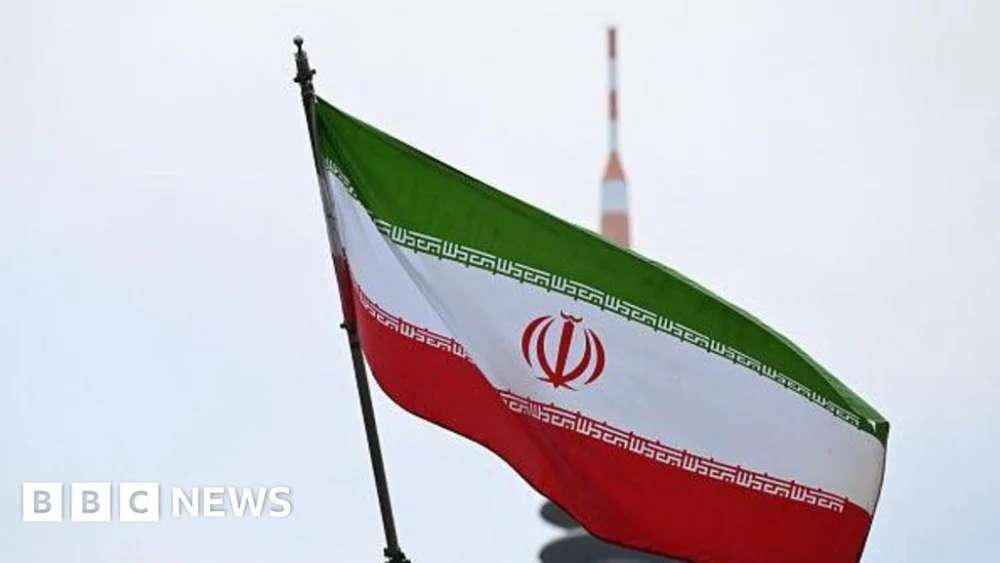
The number of executions in Iran in 2025 has more than doubled compared to the amount which took place across the country in 2024, marking a stark and deeply concerning escalation of the state’s use of capital punishment. The Norwegian-based Iran Human Rights (IHR) group, a respected and meticulous monitor of human rights abuses in the Islamic Republic, has reported to the BBC that it has verified at least 1,500 executions from the beginning of January up until the start of December 2025. This figure, the organization emphasizes, is a conservative estimate, and it is highly probable that many more individuals have been subjected to the death penalty since the group’s latest assessment.
In stark contrast, IHR was able to verify 975 executions throughout the entirety of 2024. While the precise number of executions carried out by Iranian authorities is notoriously difficult to ascertain definitively, primarily due to the government’s consistent refusal to release official statistics, the consistent upward trajectory is undeniable. The latest analysis from IHR, corroborated by intelligence and reports from other independent human rights monitoring organizations, paints a grim picture of a significant annual increase in executions, reflecting a disturbing trend of escalating state repression.
The Iranian government has historically offered justifications for its extensive use of the death penalty, asserting that it is reserved exclusively for "the most severe crimes." However, the scale and speed of these recent executions, particularly when viewed in the context of internal dissent and regional geopolitical tensions, suggest a more complex and potentially politically motivated application of capital punishment. Activists and human rights advocates argue that the regime’s reliance on the death penalty intensifies during periods when it perceives itself to be under threat, aiming to instill widespread fear among the populace and preemptively quell any burgeoning internal opposition.
This disturbing pattern of increased executions predates the significant nationwide protests that erupted in 2022, sparked by the death of Mahsa Amini. The tragic passing of the 22-year-old Kurdish woman, who was detained by the morality police in Tehran for allegedly wearing her hijab in contravention of the strict dress code, ignited a wave of demonstrations that represented the most formidable challenge to the legitimacy of Iran’s theocratic leadership in many years. The intensity of the government’s crackdown in response to these protests was immediately evident in the rising execution rates.
Following the widespread unrest of 2022, IHR figures indicate a notable surge in executions. In 2022, the group verified approximately 520 executions. This number then rose to 832 in 2023, an increase that was already cause for significant alarm. The data for 2025, however, shows an even more dramatic and alarming acceleration, with the confirmed number already exceeding the previous year’s total by a substantial margin, and the year not yet concluded.
While it is true that some executions have been carried out against individuals accused of participating in protests or acting as spies, the overwhelming majority of those put to death are for murder or drug-related offenses. Crucially, the ratio of these executions has remained remarkably consistent over the years, with approximately 99% of those executed being for these offenses. This suggests that the surge in capital punishment is not solely driven by a response to overt political dissent, but rather by a broader, more systemic application of the death penalty, potentially as a tool of social control and a deterrent against any form of perceived deviance.
The timing of the most recent surge in executions appears to correlate significantly with heightened geopolitical pressures and internal setbacks faced by Iran. Since the intense 12-day conflict with Israel in June 2025, and following major strategic and operational setbacks for Iran’s proxy forces across the Middle East, there has been another pronounced increase in the pace of executions. This correlation, as observed by IHR and other analysts, lends credence to the argument that the Iranian regime becomes more repressive and reliant on the death penalty when it feels domestically and internationally vulnerable. The aim, it is posited, is to project an image of unyielding strength and to eliminate any potential sources of internal instability by fostering an atmosphere of pervasive fear.
The implications of this escalating execution rate are profound, not only for the individuals and their families directly affected but also for the broader human rights landscape in Iran. The continued and intensifying use of the death penalty, particularly against a backdrop of geopolitical instability, raises serious questions about the rule of law, due process, and the fundamental right to life within the Islamic Republic. International bodies and human rights organizations are likely to face renewed pressure to address this alarming trend and to advocate for a cessation of these executions and a fundamental reform of Iran’s justice system. The sheer volume of state-sanctioned killings in 2025 represents a grave regression and a stark indicator of the deepening authoritarian grip within Iran. The chilling statistics released by IHR serve as a critical, albeit grim, reminder of the human cost of the regime’s policies and the urgent need for sustained international attention and action.



 Nakalama John
 atisusanti
 Ramos Leo
 Roy Suryo
 Nana Banana